Dog Vests for Warm Water Retrieves
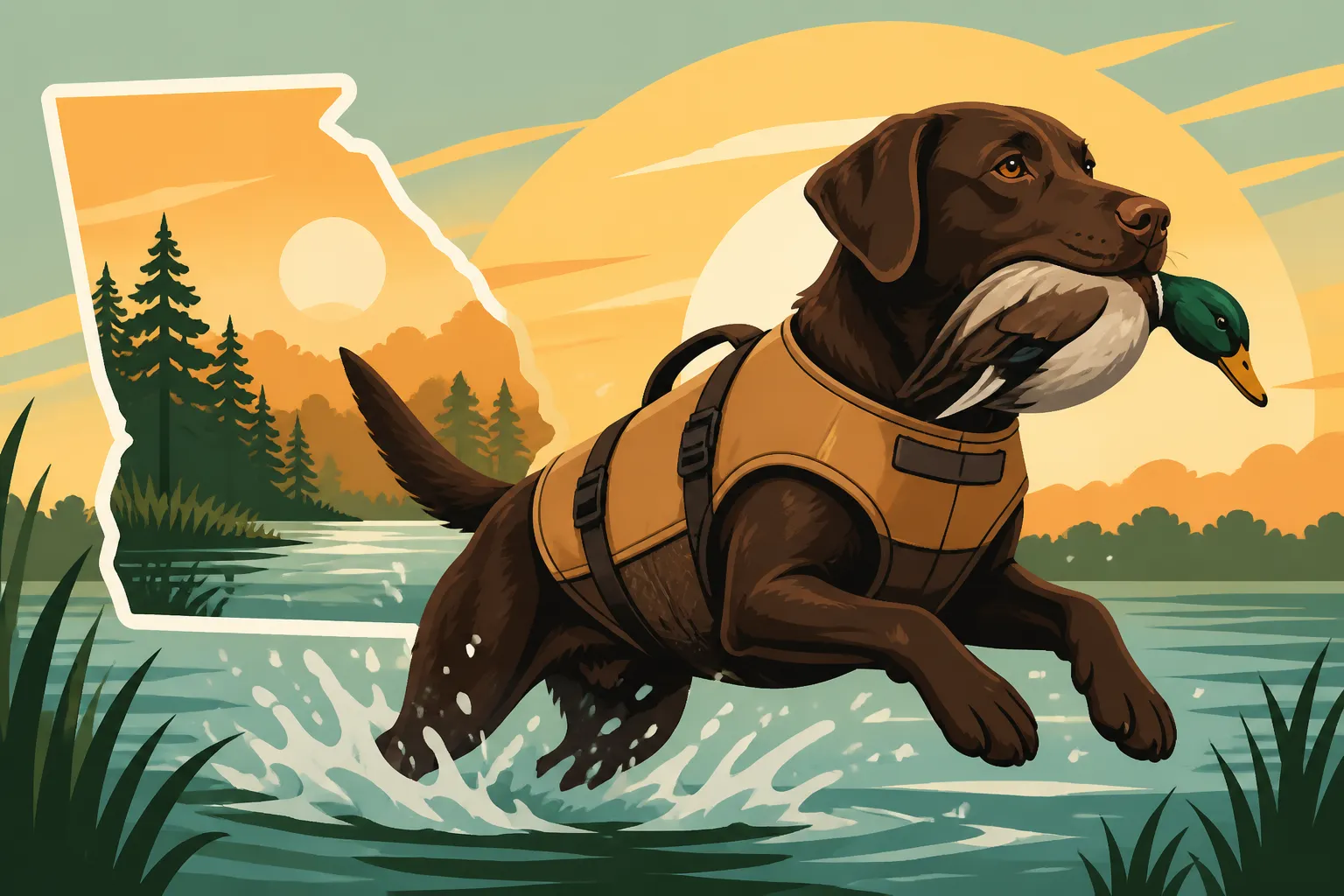
It’s a familiar scenario for many Georgia waterfowl hunters: the air is thick with humidity, even in the "cooler" months, and your loyal retrieving dog is eagerly watching the skies, ready to plunge into a cypress pond or tidal creek to bring back that downed duck. While their enthusiasm is boundless, Georgia’s warm waters present some very real challenges for our canine companions, from the risk of overheating to unseen hazards lurking beneath the surface. This guide is here to walk you through how choosing the right dog vest specifically designed for warm water retrieves can make all the difference in keeping your best hunting buddy safe, comfortable, and performing at their peak, no matter how muggy or snake-filled the environment.
Understanding the Unique Demands of Georgia's Warm Water Environments for Hunting Dogs
Hunting with a dog in Georgia’s varied landscapes, especially around water, is a truly special experience. From the flooded timber of the Piedmont to the sprawling coastal marshes, our dogs face conditions that are vastly different from what a retriever might encounter up north. It’s not just about a simple swim; it’s about sustained effort in challenging environments where factors like heat, unseen dangers, and sheer exhaustion can quickly become critical issues. Ignoring these elements can put your dog at serious risk, turning a successful hunt into a stressful emergency.
The Dual Threat of Heat and Humidity
Georgia’s climate, particularly during the early waterfowl seasons or even late-season warm spells, means that the air and water temperatures are often far from cool. A dog’s natural cooling mechanism, primarily panting, becomes less effective in high humidity because the evaporative cooling can't happen as efficiently. When you combine this with the insulating properties of a traditional neoprene vest, designed to retain heat in colder temperatures, you’re creating a recipe for disaster. Dogs can overheat rapidly, leading to heatstroke, which is a severe and potentially fatal condition. Even seemingly mild days can be dangerous when a dog is exerting itself repeatedly, making retrieve after retrieve, especially if they are already prone to overheating. We hunters layer down when it's warm; we need to think the same way for our dogs.
Navigating Submerged Hazards
Beyond the heat, Georgia's waterways are teeming with hidden dangers. Think about wading through a swamp or marsh—you're watching for snakes, sharp broken branches, submerged stumps, and maybe even alligators. Your dog, focused entirely on the retrieve, isn't always looking where they're going. A good warm water vest isn’t just about flotation; it’s also a crucial layer of protection. It can act as a shield against sharp cypress knees, jagged stumps, or the unexpected bite from a water moccasin. We've all seen dogs get scratched up from pushing through thick cover; imagine that same cover but submerged. These unseen threats can cause serious injuries that might sideline your dog for the season, or worse. Protecting their chest and belly, which are often most exposed, is paramount when they're churning through murky water. This is especially true when Hunting Georgia Swamp and River Bottom Deer, where the same dense, snag-filled conditions exist.
The Importance of Canine Comfort and Safety
Ultimately, a comfortable and safe dog is a happy and effective hunting dog. A vest that causes chafing, restricts movement, or leads to overheating isn't doing its job. When your dog is uncomfortable, their performance suffers, their focus wanes, and their enjoyment of the hunt diminishes. A well-designed warm water vest allows for full range of motion, doesn’t bind, and helps regulate body temperature, which translates directly to a dog that can make more retrieves with less fatigue. It also gives you peace of mind, knowing you've done everything you can to mitigate the inherent risks of hunting in these environments. Imagine the relief of spotting your dog easily in the vastness of the marsh, knowing they have that extra bit of buoyancy after a long swim, especially during late twilight hunts for species like Pass-Shooting Georgia Wood Ducks.
Essential Features of a Dog Vest for Warm Water Retrieves
When you’re looking at vests for your waterfowl dog, it’s easy to get overwhelmed by all the options. But for Georgia’s unique warm-water conditions, certain features move from "nice-to-have" to "absolutely essential." Thinking about what your dog truly needs to thrive in our specific environment is key to making a smart investment in their safety and performance.
Prioritizing Buoyancy and Flotation
While all dog vests offer some degree of flotation, for warm water retrieves, the type and placement of that buoyancy matters. You want a vest that provides enough lift to keep your dog's head and body comfortably above water without being overly bulky. Excessive foam can trap heat and restrict movement. Look for vests with strategically placed closed-cell foam inserts that are buoyant but not suffocating. Some vests allow you to remove or add flotation panels, which can be a game-changer. This adjustability means you can customize the buoyancy based on your dog's natural swimming ability, their body fat, and the specific conditions of the hunt. A powerful swimmer in open water might need less flotation than a younger dog or one navigating heavy cover in a flooded timber situation. The goal is to provide assistance, not to turn them into a floating cork that can’t maneuver. This is crucial when they're making long swims after a downed bird when Hunting Coastal Georgia Marsh Waterfowl.
Optimizing for Heat Dissipation and Cooling
This is where warm water vests truly diverge from their cold-weather counterparts. The primary concern is preventing your dog from overheating. Look for vests constructed with minimal, breathable materials in key areas. Mesh panels along the back or sides are excellent for allowing air circulation and water evaporation, which are vital for cooling. Lighter colors can also help reflect sunlight, reducing heat absorption. Some advanced designs even incorporate phase-change materials or water-activated cooling elements, though these often come with a higher price tag. The key is to avoid thick, insulating neoprene unless the water is genuinely cold. Even then, an unseasonably warm day can turn a neoprene vest into a canine sauna. Your dog needs to shed heat, not retain it.
Protection from Punctures and Abrasions
Georgia’s swamps, rivers, and marshes are not gentle places. Submerged logs, broken branches, razor-sharp oysters on the coast, and the ever-present threat of snakes require a vest that offers robust protection. While no vest is entirely snake-proof, a durable outer shell, often made from tough Cordura or heavy-duty nylon, can provide a significant barrier against punctures and abrasions. Reinforced chest and belly panels are particularly important, as these are the areas most vulnerable to injury when your dog is pushing through dense cover or climbing out onto rough banks. Some vests feature additional layers of protection in these critical zones, specifically designed to resist tears and minor punctures. Consider the terrain you hunt most frequently – is it rocky river bottoms, thick cypress swamps, or oyster-laden estuaries? Your vest should be built to withstand those specific challenges. While you can wear Snake Boots for Georgia Swamp Ground, your dog doesn't have that option, so a protective vest is their best bet.
Visibility and Handler Control Elements
In the chaos of a hunt, especially in low light or dense cover, keeping track of your dog is critical. High-visibility colors like blaze orange or bright yellow are not just for you; they're essential for your dog too. A bright vest makes them easier to spot in murky water, dense vegetation, or against the backdrop of a shadowed shoreline. This isn't just for your benefit; it also helps other hunters in the area see your dog, reducing the risk of accidental injury.
Beyond visibility, look for practical features that aid in handler control and retrieval. A sturdy grab handle on the top of the vest is incredibly useful for lifting your dog back into a boat, over an obstacle, or simply guiding them through thick cover. Secure D-rings allow you to attach a lead if needed for walking to and from the blind. These seem like small details, but when you're dealing with a tired dog, strong currents, or treacherous footing, having these control points can make a world of difference. When you're Jump-Shooting Georgia Beaver Ponds for Wood Ducks, a quick retrieve and positive control can prevent a lost bird.
Selecting the Right Materials and Fit for Your Hunting Partner
Choosing a dog vest isn't a one-size-fits-all proposition, especially with the diverse environments we hunt in Georgia. The materials and how the vest fits your specific dog are paramount for both their comfort and their safety. Skimping on these details can lead to chafing, restricted movement, or worse, a dog that won't wear their vest at all.
Analyzing Material Choices: Neoprene, Nylon, and Mesh Combinations
Let's talk materials, because this is where the warm water distinction really shines.
-
Neoprene: Traditional neoprene vests are fantastic insulators, which means they keep your dog warm. This is great for freezing water up north, but in Georgia's often-mild to warm conditions, neoprene can quickly cause overheating. If you're hunting during the peak of winter and the water is genuinely frigid, a thin neoprene vest might be acceptable for short retrieves. However, for most of our waterfowl season, especially early splits or warm fronts, it's generally best to avoid thick neoprene. It just traps too much body heat.
-
Nylon/Cordura: These durable synthetic fabrics form the outer shell of many protective vests. They're excellent for resisting punctures and abrasions from sticks, thorns, and rough terrain. Look for a dense weave and high denier count for maximum protection. The downside is that without proper ventilation, a solid nylon vest can also contribute to heat retention.
-
Mesh: This is the MVP for warm water vests. Strategic use of mesh panels, especially on the back, sides, and belly, allows for maximum airflow and water drainage. This promotes evaporative cooling, which is how your dog sheds heat. A good warm water vest will often be a hybrid, combining a durable nylon or Cordura shell for protection in critical areas (chest, belly) with extensive mesh panels for ventilation. This combination gives you the best of both worlds: protection where it's needed most, and breathability for heat management.
Consider this comparison table for a quick overview:
| Feature / Material | Neoprene Vests | Nylon/Mesh Vests |
|---|---|---|
| Primary Benefit | Insulation, puncture resistance | Cooling, reduced bulk, protection |
| Flotation | Excellent (built-in) | Good (often with foam inserts) |
| Cooling Potential | Low (can cause overheating) | High (breathable mesh) |
| Puncture Protection | Good (thick material) | Excellent (varies by weave, often reinforced) |
| Buoyancy Adjustment | Limited | Often adjustable with removable inserts |
| Weight (Wet) | Moderate to heavy | Light to moderate |
| Typical Use Case | Colder water, heavy cover | Warm to temperate water, open retrieves & light cover |
Ensuring a Proper, Snug Fit
A poorly fitting vest is worse than no vest at all. Too loose, and it can shift, chafe, get snagged, or allow limbs to become entangled. Too tight, and it restricts movement, impedes breathing, and can cause painful rubbing. Most manufacturers provide sizing charts based on chest girth and neck circumference, and sometimes length. Measure your dog accurately! Don't just guess or go by breed.
Once you have the measurements, try the vest on your dog. It should fit snugly but allow for full range of motion in their shoulders and legs. You should be able to slide two fingers comfortably under the straps, but no more. Pay close attention to the armpit area; this is a common spot for chafing if the vest is too tight or poorly designed. Have your dog sit, stand, and lie down. See if they can run and jump naturally. If it binds or rides up, it’s not the right fit. Many vests offer adjustable straps around the chest and belly, which are crucial for getting that perfect, custom fit for your unique hunting partner. Think about the variety of breeds we hunt with – a lanky Chesapeake will fit differently than a blockier Lab, even if their chest girth is similar.
Beyond the Basics: Pockets, Handles, and D-Rings
While flotation, cooling, and protection are paramount, don't overlook those extra features that enhance usability and convenience.
- Grab Handles: We mentioned this before, but a strong, strategically placed grab handle on the top of the vest is invaluable. It’s for lifting your dog out of a john boat, helping them over a downed log, or retrieving them from a strong current. Look for one that's wide enough for a gloved hand and securely stitched.
- D-Rings: Multiple D-rings are useful. A sturdy one on the back allows you to attach a leash or check cord. Some vests even include smaller rings for attaching lights or GPS trackers, which can be a lifesaver if your dog ranges far or darkness falls unexpectedly.
- Pockets: While not common on minimal warm-water vests due to heat concerns, some more robust models might offer small, zippered pockets. These can be useful for carrying a training dummy, a small first-aid kit, or even some extra shot shells. However, weigh the convenience against the potential for added bulk and reduced ventilation. For most warm water hunting, fewer pockets generally mean better cooling.
- Reflective Strips: In addition to high-visibility colors, reflective strips or piping can further enhance your dog's visibility in low-light conditions, providing an extra layer of safety when returning to the truck or blind before dawn or after dusk. Using a planning tool like GoHunt to mark your entry and exit points in unfamiliar terrain can help you anticipate how much time you'll spend in low light.
Maintenance and Best Practices for Your Dog's Retrieval Vest
You’ve invested in a great vest for your dog, one that’s going to keep them safe and comfortable through countless retrieves in Georgia’s unique environments. But a vest is only as good as the care it receives. Proper maintenance ensures its longevity, hygiene, and continued effectiveness. Just like you clean and maintain your shotgun after a hunt, your dog’s gear deserves the same attention.
Cleaning and Storage for Longevity
After every hunt, especially one involving marsh mud, brackish water, or heavy cover, your dog’s vest needs attention. Neglecting it can lead to mildew, odors, and accelerated wear.
- Rinse Thoroughly: The first step is always a thorough rinse with fresh water. Use a hose to remove mud, debris, salt, and any lingering swamp gunk. Pay special attention to seams, straps, and any areas where dirt can accumulate. If you were hunting near the coast, salt can be corrosive, so a good rinse is essential.
- Gentle Cleaning: If the vest is particularly dirty or starting to smell, use a mild soap – something like a gentle dish soap or a dedicated outdoor gear cleaner. Avoid harsh detergents or bleach, as these can degrade the fabric and flotation material. Scrub gently with a soft brush, focusing on soiled areas.
- Inspect for Damage: While cleaning, take the opportunity to inspect the vest closely. Look for any tears, frayed seams, loose stitching on handles or D-rings, or signs of excessive wear. Catching minor damage early can prevent it from becoming a major issue later. Check the buckles and fasteners to ensure they are still secure and not cracked.
- Dry Completely: This is crucial for preventing mildew and odor. Hang the vest in a well-ventilated area, out of direct sunlight. Sunlight can degrade materials over time. Ensure it’s completely dry, both inside and out, before storing it.
- Proper Storage: Once clean and dry, store the vest in a cool, dry place. Avoid leaving it wadded up in a truck or in a damp garage. Proper storage not only extends the life of the vest but also means it's ready to go for your next adventure, whether it's Hunting Flooded Timber for Mallards or working a Georgia Waterfowl Hunting on Coast and Swamp locale.
Pre-Hunt Checks and In-Field Adjustments
Your diligence shouldn't stop at cleaning and storage. Before every hunt, perform a quick pre-hunt check:
- Fit Check: Even if your dog has worn the vest countless times, quickly check the fit. Dogs can gain or lose a little weight, and straps can loosen over time. Ensure it’s snug but not restrictive.
- Strap Security: Verify that all buckles are securely fastened and straps aren't twisted or frayed.
- Flotation Integrity: Give the flotation panels a squeeze to ensure they haven't become waterlogged or lost their buoyancy over time. While less of an issue with closed-cell foam, it's a good habit.
- Visibility: Confirm that any reflective strips are clean and visible, and that the vest’s color hasn't faded to the point of reducing visibility.
During the hunt itself, especially on long days or in changing conditions, don't be afraid to make minor adjustments. If you notice your dog seems uncomfortable, is pawing at the vest, or it appears to be riding up or shifting, take a moment to re-adjust the straps. Their comfort directly impacts their performance and willingness to work.
Training with the Vest
Introducing any new piece of gear to your hunting dog should be a gradual process, and a vest is no exception. Don’t wait until opening day to put it on them for the first time.
- Positive Introduction: Start by simply letting your dog sniff and investigate the vest. Reward them with praise and treats.
- Short Sessions: Put the vest on for short periods, starting in a familiar, low-stress environment like your home or backyard. Distract them with play or training exercises they enjoy. Gradually increase the duration.
- Familiar Activities: Once they're comfortable wearing it, incorporate it into their regular training routine. Have them wear it during retrieves on land and then in water. This helps them associate the vest with positive activities.
- Simulate Hunt Conditions: Practice retrieves in water with the vest on. This allows you to observe how it performs, how your dog moves in it, and if any adjustments are needed before the pressure of a real hunt. By training with the vest, your dog will see it as a normal part of their hunting attire, not a hindrance, leading to a much more relaxed and effective partner when the real work begins. Practicing retrieves, even in the off-season, can help familiarize your dog with their gear, just as you'd ensure your Waders for Georgia Tidal Marsh Hunting are leak-free before stepping into the marsh.
Disclaimer
This article is for general informational purposes only and does not constitute professional advice. Laws, prices and regulations vary by location and change over time. Consult a qualified professional for guidance on your specific situation.