Where Nontoxic Shot Is Required in Georgia
Hunting in Georgia offers some incredible opportunities, but navigating all the rules and regulations can sometimes feel like trying to untangle a stubborn fishing line after a long day. One area that often trips up even seasoned hunters is the requirement for nontoxic shot. It’s not just a matter of preference; in certain situations, using lead shot can land you in serious trouble and negatively impact wildlife. This guide is here to clear up that confusion, helping you understand exactly where and why nontoxic shot is a must-have in your gear bag when you’re out enjoying Georgia's wild places.
The Core Mandate: Waterfowl and Wetland Hunting
Let's start with the big one, the overarching rule that governs most nontoxic shot requirements: waterfowl hunting. If you're chasing ducks, geese, or coots in Georgia, you absolutely must be using nontoxic shot. This isn't just a Georgia-specific rule; it's a federal mandate that every state enforces to protect migratory waterfowl from lead poisoning.
Understanding the Federal Regulation
The reason for this rule goes back decades. Scientists observed that ducks and geese were ingesting spent lead pellets from hunting areas, mistaking them for grit or food. This led to debilitating lead poisoning, a slow and agonizing death for many birds. The problem was particularly acute in heavily hunted wetland areas where lead accumulated over time. To combat this, the U.S. Fish and Wildlife Service implemented a nationwide ban on lead shot for waterfowl hunting in 1991. Georgia, like all other states, adopted and enforces this federal regulation.
This means that if you’re planning a trip to a favorite beaver pond for wood ducks or heading out to a flooded field for mallards, your shotgun shells must contain steel, bismuth, or another approved nontoxic material. There’s no wiggle room here. Conservation efforts like these are critical, and as hunters, we play a vital role in ensuring healthy ecosystems for generations to come.
What Constitutes "Waterfowl" and "Wetlands" in Georgia?
When we talk about "waterfowl," we're specifically referring to ducks, geese, and coots. These are the primary species covered under the federal nontoxic shot mandate. But the term "wetlands" can sometimes be a bit broader than people imagine, leading to confusion about where the rule applies.
A wetland, in the context of hunting, isn't just a deep swamp or a large lake. It can include shallow marshes, flooded timber, agricultural fields intentionally flooded for hunting, natural ponds, rivers, and even temporary water bodies where waterfowl are likely to feed or rest. The key is the potential for waterfowl to be present and to ingest spent shot. If you're hunting any species and there's standing water that could attract waterfowl, it’s always best practice to use nontoxic shot to avoid any doubt or risk. Tools like the GoHunt app, with its detailed mapping layers, can sometimes help you visualize these wetland areas on public lands, making it easier to prepare.
Specific Georgia Scenarios Requiring Nontoxic Shot
Beyond the general waterfowl rule, Georgia has specific areas and situations where nontoxic shot is required, often tied directly to wetland habitats or wildlife management objectives. It’s crucial to be aware of these localized rules, as they can differ from what you might expect.
Hunting on Georgia Wildlife Management Areas and National Refuges
Many of Georgia's Wildlife Management Areas (WMAs) and National Wildlife Refuges (NWRs) have additional regulations regarding shot type, especially those managed for migratory birds or situated in significant wetland ecosystems. For instance, WMAs with extensive marshland or flooded impoundments specifically designed for waterfowl often mandate nontoxic shot for all hunting, or at least for all small game and migratory bird hunting, regardless of the species you're pursuing. This helps prevent lead accumulation in sensitive environments that support a wide variety of wildlife.
It's not uncommon for a WMA that allows dove hunting in a field bordering a swamp or wetland area to require nontoxic shot for doves, even though doves themselves are not waterfowl. The reasoning is sound: if lead shot is scattered in an area frequented by waterfowl or other sensitive species, it poses the same risk. Always, and I mean always, check the specific regulations for the WMA or NWR you plan to hunt before you head out. These rules are usually published annually by the Georgia Department of Natural Resources (DNR) in their hunting regulations guide and often posted at the WMA check-in stations. An app like GoHunt can be a good quick reference, but nothing beats the official DNR guide for definitive rules.
Dove Hunting Near Water
This is a common point of confusion for many Georgia hunters. Dove hunting is a quintessential fall tradition, and often takes place over agricultural fields, many of which might have small ponds, creeks, or flooded ditches nearby. While doves are migratory birds, they are not classified as waterfowl. So, can you use lead shot for doves?
Generally, yes, you can use lead shot for doves in Georgia. However, there's a significant caveat: if you are hunting doves in an area where waterfowl are present, or where spent shot is likely to fall into water accessible to waterfowl, then federal regulations require nontoxic shot. This is where interpretation can get tricky. If you're on a dove field with a small watering hole, and ducks are actively using that hole, then lead shot is out of the question for any hunting activity in that immediate vicinity. The safest approach, if there's any doubt about waterfowl presence or proximity to water in a dove field, is to simply use nontoxic shot. It saves you the headache of interpretation and ensures you're always compliant. Many hunters who frequent fields with water sources have simply made the switch to nontoxic shot for all their dove hunting. Dove Hunting Georgia Opening Weekend can be an intense affair, and the last thing you want is a run-in with a game warden over shot type.
Other Species in Wetland Habitats
What about hunting other species like small game (squirrels, rabbits), or even feral hogs, if you find yourself in a heavily wooded swamp or marshy river bottom? Generally, for species other than waterfowl, and outside of specific WMA regulations, lead shot is still permissible for hunting in Georgia. For instance, if you're squirrel hunting in a hardwood bottom along a creek, and there are no specific WMA rules against it, lead shot is typically allowed. The critical distinction remains: is this an area where waterfowl are likely to ingest the shot?
However, the trend is moving towards more widespread use of nontoxic alternatives for all hunting. Some hunters choose to use nontoxic shot even when not explicitly required, as a personal conservation ethic. For instance, if you're Feral Hog Hunting Year-Round in Georgia in a marshy area, using nontoxic shot might be a conscious choice to minimize environmental impact, even if not legally mandated. Always cross-reference your specific hunting location with the most current Georgia DNR regulations, which you can usually find through their website or by using a mapping tool like GoHunt that might integrate public land rules.
Nontoxic Shot Types and Performance Considerations
Once you know you need to go nontoxic, the next question is usually, "What do I use?" Thankfully, there are several excellent options available today, each with its own characteristics in terms of cost, density, and performance.
A Look at Your Nontoxic Options: Steel, Bismuth, and Tungsten
Let's break down the most common nontoxic shot materials you'll find on the shelves:
- Steel Shot: This is by far the most common and often the most affordable nontoxic option. Steel is lighter and less dense than lead, which means steel pellets tend to fly faster but lose energy more quickly. To compensate for its lighter weight and maintain knockdown power, you usually need to go up a shot size or two (e.g., if you shoot lead 6s for ducks, you might consider steel 4s or even 3s). Steel is also much harder than lead, so it requires specific wads to protect your barrel and can be harder on older, thin-walled shotgun barrels. Always check if your shotgun is rated for steel shot.
- Bismuth Shot: Bismuth is a much denser material than steel, putting it closer to lead in terms of ballistic performance. It's also softer than steel, making it safer for older shotguns not rated for steel and allowing it to perform more similarly to lead regarding penetration and pattern. The downside? Bismuth is significantly more expensive than steel. However, many hunters find the superior performance and gentler nature on older firearms well worth the extra cost, especially for species like ducks where you want reliable kills.
- Tungsten Alloys: This category includes various blends of tungsten with other materials (iron, nickel, polymer). Tungsten is incredibly dense, often much denser than lead, meaning very small tungsten pellets can carry a tremendous amount of energy. This translates to excellent downrange performance and penetration. Tungsten shot is often used for challenging shots, or for species like geese where maximum power is desired. As you might guess, it's also the most expensive of the nontoxic options, often by a considerable margin.
Here’s a quick comparison to help visualize the differences:
| Shot Type | Density (relative to lead) | Hardness (relative) | Cost (relative) | Performance Characteristics | Best For |
|---|---|---|---|---|---|
| Lead (Reference) | 1.0 (baseline) | Soft | Low | Excellent energy retention, dense patterns, traditional performance | Generally prohibited for waterfowl |
| Steel | ~0.7 | Very Hard | Low | Faster initial velocity, lighter pellets, requires larger shot size | Economical choice for ducks, geese at closer ranges, target shooting |
| Bismuth | ~0.9 | Soft-Medium | Medium-High | Good energy retention, safer for older guns, performs closer to lead | Good all-around for ducks and geese, preserves older firearms |
| Tungsten Alloy | 1.1 – 1.5+ | Hard | Very High | Superior energy retention, high penetration, smaller shot sizes possible | Long-range waterfowl, challenging conditions, larger geese |
Practical Considerations for Shotgun and Choke Selection
Switching to nontoxic shot, especially steel, means you'll need to pay attention to your shotgun and choke setup. Steel shot does not compress and deform like lead, so it can result in tighter patterns. Many hunters find that they need to use more open chokes (like Improved Cylinder or Modified) with steel shot to achieve the same pattern density they would get with a Full choke and lead shot. Using a Full choke with steel can sometimes lead to very patchy patterns or even damage your barrel if it's not rated for it.
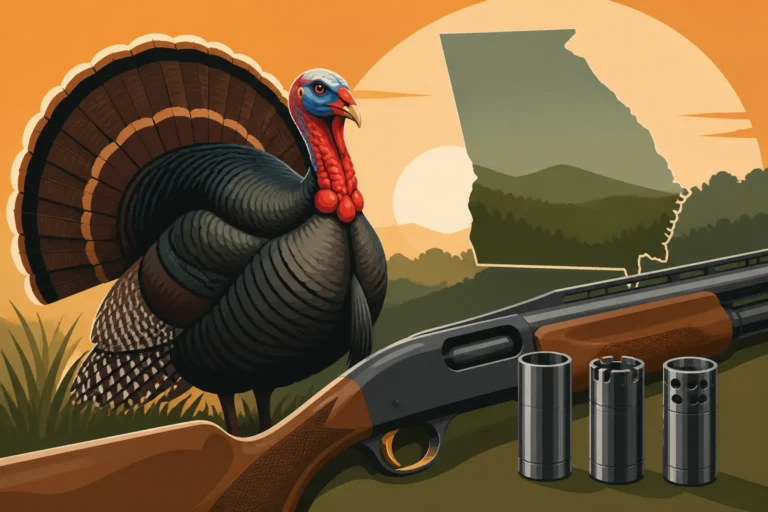
Always check your shotgun's barrel for markings indicating its suitability for steel shot. Most modern shotguns are designed to handle it, but older firearms might not be. When you’re patterning your shotgun, which you should absolutely do with any new load, make sure you're using the exact nontoxic loads you plan to hunt with. This will give you a real-world understanding of your effective range and pattern density. The right combination of Turkey Shotguns and Chokes is crucial for that specific hunt, and the same attention to detail applies to waterfowl.
Staying Informed and Compliant in Georgia
The world of hunting regulations can be dynamic, and what was true last season might have a slight tweak this year. This is particularly true for migratory bird regulations, which are often set annually based on population surveys and habitat conditions.
The Importance of Checking Annual Regulations
The single most important piece of advice regarding nontoxic shot requirements, and indeed all hunting regulations, is to always consult the most current Georgia Department of Natural Resources (DNR) hunting regulations guide. This guide is published annually, typically in late summer or early fall, and details all seasons, bag limits, and special regulations for WMAs and specific game species.
Don't rely solely on what you remember from last year or what a buddy told you. Take the time to read through the sections relevant to your hunt, especially if you're venturing to a new WMA or trying a different type of hunt, such as Georgia Waterfowl Hunting on Coast and Swamp. The Georgia DNR website is your go-to source for this information, and many outdoor retailers also carry printed copies. While apps like GoHunt can offer useful information and mapping, they should always be cross-referenced with the official state regulations. Ignorance of the law is never an excuse, and a violation can result in fines, loss of hunting privileges, and confiscation of equipment.
Responsible Hunting Practices Beyond the Law
Beyond the legal mandates, many hunters choose to embrace nontoxic shot for all their hunting, even when it’s not explicitly required. This is a personal choice rooted in a broader conservation ethic. The impact of lead in the environment isn't just limited to waterfowl. Other scavengers, like bald eagles and vultures, can be affected by ingesting lead fragments from gut piles or unrecovered game. While the science on these broader impacts is still evolving and debated for upland hunting, choosing nontoxic alternatives can be seen as a way to minimize your footprint and contribute to a healthier ecosystem overall.
Thinking proactively about how our hunting practices affect the environment is a hallmark of responsible hunting. Whether it's through using nontoxic shot, practicing ethical shot placement, or actively participating in habitat restoration, our actions collectively ensure that Georgia's rich hunting heritage continues for future generations.
Disclaimer
This article is for general informational purposes only and does not constitute professional advice. Laws, prices and regulations vary by location and change over time. Consult a qualified professional for guidance on your specific situation.