Ammunition Availability Before Opening Day
There's nothing quite like that surge of anticipation as opening day for deer season looms in Georgia. You've got your stand locations scouted, your camo laid out, and your hunting buddy already blowing up your phone with plans. But then, a cold dread sets in: you realize you're down to your last few hunting rounds, and every sporting goods store shelf you check is completely bare. This guide is here to help you understand why ammunition can become so elusive right before crunch time and, more importantly, how you can sidestep this frustrating hurdle to ensure you're always ready for the hunt.
The Annual Rush: Why Ammo Vanishes Before Opening Day
It’s a tale as old as time for hunters across Georgia and beyond: the closer we get to the season opener, the harder it becomes to find the exact ammunition we need. It's not just bad luck; there are very real, cyclical reasons why those shelves empty out, leaving us scrambling at the last minute.
Peak Demand and Supply Chains
Think about it: millions of hunters across the country are all eyeing the same general timeframes for various hunting seasons. Deer season, in particular, drives a massive surge in demand for popular rifle and shotgun calibers. This isn't just a Georgia phenomenon; it's nationwide. Manufacturers work hard to meet this demand, but their production lines can only move so fast. There are raw materials to source, primers to make, powder to mix, and bullets to press. Each of these steps has its own supply chain, and any hiccup along the way, whether it's a materials shortage or a transportation delay, can slow down the entire process.
Compounding this is the "just-in-time" inventory model many retailers employ. They don't want to tie up capital in massive stockpiles of ammunition that might sit on shelves for months. Instead, they try to order just enough to meet expected demand. When demand suddenly spikes beyond predictions—and it almost always does right before hunting season—the system gets overwhelmed. Stores sell out faster than they can restock, and that precious hunting ammunition seems to evaporate overnight.
Regional Differences and Caliber Popularity
While the nationwide demand is a big factor, local hunting traditions and regional preferences play a significant role too. In Georgia, for instance, certain calibers are perennial favorites for deer hunting. You'll find a lot of hunters opting for the reliable .308 Winchester, the classic .270 Winchester, or newer darlings like the 6.5 Creedmoor. These popular calibers are often the first to disappear from store shelves because so many people hunt with them. If you’re trying to track down a box of premium 150-grain .308 rounds in mid-September, you’re likely competing with thousands of other hunters across the state who are doing the exact same thing in preparation for Georgia Firearms Season Opening Day.
Conversely, if you hunt with a less common caliber, you might face a different kind of challenge. While fewer people are buying it, production runs for these calibers are also often smaller and less frequent. So, when those limited supplies hit the market, they might be scooped up quickly, or you might find yourself waiting longer for the next batch to be manufactured and distributed. Understanding these patterns, specific to your preferred ammunition and hunting method, is key to proactive planning. For a deeper dive into common choices, check out Choosing a Rifle Caliber for Georgia Deer.
Strategic Planning: Your Best Defense Against Empty Shelves
Facing empty shelves when you need to zero your rifle or just top off your hunting vest is incredibly frustrating. But it doesn't have to be your reality. With a bit of foresight and strategic planning, you can ensure you always have the ammo you need, precisely when you need it.
Buying Early and Sticking to a Load
The golden rule of ammunition availability is simple: buy early. Don't wait until August or September to start looking for your hunting rounds. As soon as you wrap up one season, or even during the previous spring, start thinking about next year's needs. If your rifle is chambered for a popular round like a .270, and you know it shoots particularly well with a specific bullet weight and brand, don't hesitate to pick up a few boxes when you see them available, even if you still have some from last year.
Beyond just buying early, try to find a specific load—meaning a particular bullet type, weight, and brand combination—that your rifle consistently shoots accurately, and then stick with it. Every rifle is a little different, and what shoots like a laser in one might pattern like a shotgun in another, even with the same caliber from a different manufacturer. Once you've found that sweet spot, buy enough of that specific load to last you for a few seasons, if possible. This not only ensures availability but also consistency in your practice and hunting. Using the same lot number, if you can find multiple boxes, is even better for utmost consistency. This early purchasing habit is just as important as knowing how to properly zero your rifle for Zeroing a Rifle for Mixed Distances.
Local Shops Versus Big Box Stores: Online Resources
When it comes to sourcing ammunition, you have a few avenues, each with its own advantages and disadvantages.
Local Gun Shops: Your independent, local gun shop can be a treasure trove. These folks often have strong relationships with distributors and might get smaller, more frequent shipments that never even make it to the big box store shelves. They might also be more willing to order specific ammunition for loyal customers. The downside is their inventory can be smaller and more specialized, and prices might be a touch higher due to lower volume purchasing. However, the personalized service and expertise are invaluable. Don't be afraid to strike up a conversation and let them know what you're looking for well in advance.
Big Box Retailers: Stores like Academy Sports + Outdoors, Bass Pro Shops, or Cabela's often have larger quantities of popular ammunition. The challenge here is that they cater to a massive audience, so their shelves get picked clean very quickly, especially during peak seasons. You might have better luck checking these stores frequently during off-peak times or right when they open their doors on delivery days.
Online Retailers: The internet offers a vast selection, and you can often find obscure calibers or specific loads that local stores don't carry. Websites like Lucky Gunner, Palmetto State Armory, or even manufacturer-direct sites can be excellent resources. The key here is to factor in shipping times and costs. Don't expect to order a box of ammo three days before opening day and have it arrive in time. Plan weeks, or even months, ahead for online purchases. While GoHunt is primarily a mapping and scouting tool, thinking through your hunt strategy with it can help you realize your gear needs well in advance, giving you ample time to check various retailers for ammo. Just remember to verify current inventory status and shipping policies directly on the retailer's site.
Consider creating a simple comparison table to weigh your options:
| Retailer Type | Pros | Cons | Best Strategy |
|---|---|---|---|
| Local Gun Shop | Personalized service, specific orders | Limited stock, potentially higher prices | Build relationships, check frequently, order early |
| Big Box Store | Large inventory, competitive pricing | High demand, quick sell-outs | Check frequently, visit on delivery days |
| Online Retailer | Vast selection, convenience | Shipping delays/costs, no immediate gratification | Order well in advance, compare prices |
What to Do When the Shelves Are Bare in Georgia
Despite your best intentions, sometimes you still find yourself staring at empty shelves. It happens to the best of us. But don't despair! There are still some tactics you can employ to secure that crucial ammunition, even when it seems impossible.
Expanding Your Search Radius and Community Resources
If your local stores are out, it's time to widen your net. Think about stores in neighboring towns or even further afield. A half-hour or hour drive might be worth it if it means securing the ammo you need for opening day. Call ahead to confirm stock before you drive, but be prepared for stock to change rapidly.
Leverage the hunting community! Online forums dedicated to Georgia hunting, local social media groups, and even word-of-mouth among fellow hunters can be incredibly valuable. Someone might know a lesser-known store that has a few boxes, or a private seller who has extra. Just be sure to always adhere to all state and federal laws regarding private ammunition sales. Hunters often help each other out, especially when it comes to the shared frustration of ammo shortages. This collective knowledge can be a lifesaver when you're looking for that specific box of ammunition.
Considering Alternatives: Handloads or Different Calibers
In a true pinch, you might need to consider alternatives, though these are rarely quick fixes.
Handloading: For the dedicated hunter, handloading (reloading your own ammunition) offers the ultimate control over availability and performance. You buy components—primers, powder, bullets, and cases—and assemble them yourself. This requires a significant upfront investment in equipment and a steep learning curve, so it’s not a last-minute solution. However, if you're serious about hunting and consistency, it's a fantastic long-term strategy. It means you're less reliant on factory loads being in stock, and you can fine-tune your ammunition to your specific rifle.
Different Calibers or Weapons: This is a last resort, but if you have multiple hunting rifles or are open to using a different weapon, it might be an option. Perhaps you couldn't find your .30-06 rounds, but you have a .243 that you know shoots well and is legal for deer in Georgia. While Is a .243 Enough for Georgia Whitetails? is a common question, the answer is often yes with proper shot placement. Alternatively, if you primarily hunt with a rifle and only have a few rounds left, but also own a muzzleloader, that could be a legal alternative during the Primitive Weapons Hunting in Georgia season or even the firearms season. Always consult Georgia Legal Firearms for Deer Hunting to ensure your chosen alternative is compliant with state regulations. This isn't ideal for consistency, but it beats missing out on the season.
Patronizing Brands and GoHunt for Inventory Checks
Staying loyal to a particular ammunition brand, if they consistently perform for you, might sometimes pay off. Manufacturers occasionally offer direct sales or have preferred retailers that get priority shipments. Signing up for email alerts from your favorite ammo makers can give you a heads-up when stock becomes available.
While not an ammo retailer, GoHunt can still be an integral part of your planning process. By using their mapping tools and information, you can scout potential hunting areas, understand hunting pressure, and plan your trips. A well-planned hunt on public land or a WMA, perhaps scouting a specific area to find Finding Sign in Big Chattahoochee Timber, means you know exactly when and where you’ll be hunting. This clarity gives you a precise deadline for your ammunition needs, allowing you to proactively check inventory at various stores or online sources with better timing. Integrating your GoHunt scouting with an early ammo procurement strategy ensures you're ready when the moment arrives.
Beyond the Shot: Ensuring Ethical Hunting with Limited Ammo
Having enough ammunition is one thing, but making sure every round counts is another. When ammo is scarce, the pressure to make a clean, ethical shot becomes even greater.
Practice, Practice, Practice
Even with a limited supply of precious hunting rounds, dedicated practice is non-negotiable. Don't just save your hunting ammo for the field. Take a few rounds to the range well before the season opens to confirm your zero and refresh your shooting fundamentals. If you only have a handful of expensive hunting rounds, consider practicing with cheaper target ammunition of the same grain weight and bullet type, if available, to hone your form. Then, use one or two of your actual hunting rounds to confirm your final zero.
Beyond live fire, dry firing practice can be incredibly beneficial. Practicing your breathing, trigger pull, and sight picture without expending any ammunition can greatly improve your consistency and confidence. Every shot taken in the field must be an ethical one, aimed for a quick, humane kill. Your proficiency with your firearm directly contributes to this, and there’s no substitute for disciplined practice. Don't forget that consistent rifle care also contributes to accuracy; read up on Cleaning a Rifle After a Humid Sit to keep your firearm in top shape.
Responsible Allocation and Storage
When ammunition is hard to come by, it's easy to fall into the trap of hoarding. While having a reasonable supply for your immediate needs and a little extra for practice is smart, buying every box on the shelf can exacerbate the problem for others. Be mindful of your needs versus simply buying just because it's available.
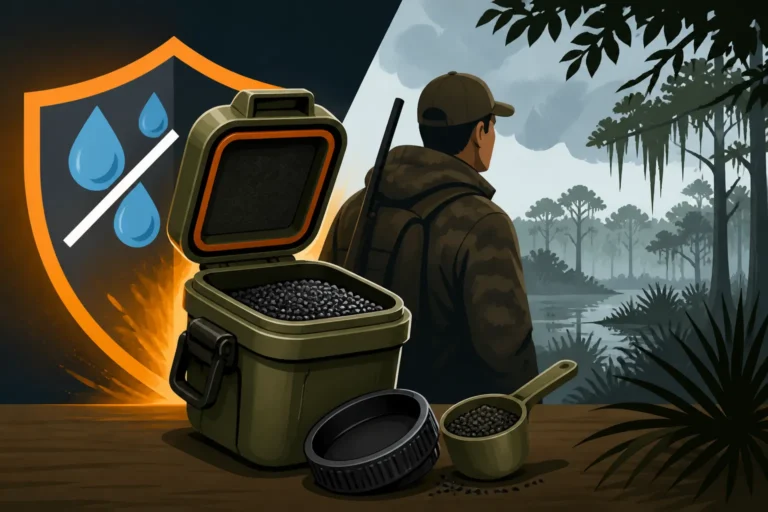
Proper storage of your ammunition is also crucial. Store it in a cool, dry place, away from direct sunlight and extreme temperature fluctuations. Ammunition, especially loaded cartridges, can degrade over time if exposed to excessive heat or humidity, potentially leading to misfires or reduced accuracy. A clean, secure ammunition can or cabinet is an excellent investment to protect your valuable rounds, ensuring they're ready to perform when you finally head out for that much-anticipated Georgia hunt.
Disclaimer
This article is for general informational purposes only and does not constitute professional advice. Laws, prices and regulations vary by location and change over time. Consult a qualified professional for guidance on your specific situation.