Feral Hog Hunting Gear at Night
Feral hogs are a persistent, destructive force across Georgia, tearing up fields, destroying habitat, and impacting native wildlife populations. For many hunters, the challenge of these intelligent, often nocturnal animals is a year-round pursuit, and when the sun goes down, the game truly changes. Tackling these wily creatures after dark demands a specialized arsenal of gear, blending technology with traditional hunting savvy. This guide dives deep into equipping yourself properly for successful night hunting of feral hogs in the diverse landscapes of Georgia.
The Case for Night Hunting Hogs in Georgia
Hunting feral hogs at night isn't just a thrilling experience; it's often the most effective way to manage their populations. These animals are incredibly adaptable, and with increasing pressure from hunters during daylight hours, they quickly become primarily nocturnal. Georgia's generous regulations, allowing year-round hog hunting with no bag limits, further open up the possibilities for after-dark excursions. It’s a pursuit that combines strategy, patience, and the right equipment to turn the tables on a formidable quarry.
Understanding Feral Hog Nocturnal Behavior
Feral hogs are masters of adaptation. During warmer months, or in areas with heavy human activity, they overwhelmingly shift their feeding and movement patterns to the cooler, quieter hours of darkness. They feel safer under the cloak of night, moving more freely between bedding areas and food sources like agricultural fields, oak bottoms, or even suburban fringes. Spotting fresh tracks and rooting damage during the day can tell you where they've been, but night optics reveal where they are now and where they're going. Understanding these patterns, like how they use creek bottoms as travel corridors or frequent freshly harvested fields, is crucial. They often move in family groups, called sounders, with older sows leading the way, while mature boars may be more solitary. Observing their movements, even from a distance with the right thermal or night vision gear, can help you predict their next move.
Legalities of Night Hunting in Georgia
Georgia's stance on feral hog hunting is quite progressive due to the extensive damage these animals cause. Unlike many other game species, there's no closed season, no bag limit, and importantly for our discussion, hunting at night is permitted. This means you can pursue hogs around the clock. However, it’s vital to be intimately familiar with the specific regulations concerning artificial lights and the use of thermal or night vision devices. While legal, certain types of lights might have restrictions in specific contexts, or you might need to ensure you're not inadvertently spotlighting other protected game animals. Always double-check the latest Georgia Department of Natural Resources (DNR) guidelines before heading out. Remember, private land rules might differ if the landowner has specific restrictions, and public lands often have their own sets of regulations that could affect night hunting. You might also want to consult the rules concerning Georgia Night Hog Hunting Light Rules.
The Advantage of Darkness for Hunters
Hunting under the cover of darkness offers several distinct advantages. First and foremost, it allows you to capitalize on the hogs' nocturnal habits, increasing your chances of encountering them when they are most active. Secondly, the lack of ambient light can work in your favor as a hunter. With specialized optics, you gain a significant advantage in detecting hogs that are otherwise invisible to the naked eye. This removes the visual cover that hogs rely on so heavily during the day. Furthermore, hogs tend to be less wary of subtle movements or sounds at night, as they associate human presence with daylight. This can sometimes allow for closer approaches or more strategic positioning than would be possible during the day. The cooling temperatures after sunset also provide a more comfortable hunting environment for the hunter, especially during Georgia’s warm seasons.
Illumination is Key: Night Vision and Thermal Optics
When the sun sets, your ability to see your target becomes paramount. Gone are the days of hoping for a full moon or relying solely on a spotlight. Modern night hunting is driven by advanced optics that literally pierce the darkness, giving you a distinct advantage. The two main technologies for seeing at night are thermal imaging and night vision, each with its own strengths and ideal applications.
Thermal Imaging Devices for Hogs
Thermal optics detect heat signatures, essentially painting a picture of the world based on temperature differences. This makes them incredibly effective for spotting hogs, as their body heat stands out dramatically against a cooler background, whether it's dense brush, a field of tall grass, or a distant tree line. Unlike night vision, thermal imaging works regardless of ambient light – total darkness, fog, or even light rain won't hinder its performance. Hogs, being warm-blooded, glow brightly through thermal lenses, making them easy to identify, even small piglets hidden behind a sow. Many hunters find that thermal is superior for initial detection and scanning large areas. The downside, if you can call it one, is that details like antler points or specific facial features aren't visible, but for hogs, that's rarely a concern. When researching, consider factors like detector resolution, refresh rate, and battery life, especially since you might be out for hours. Brands like Pulsar and ATN offer a range of reliable thermal devices.
Night Vision Devices for Hog Hunting
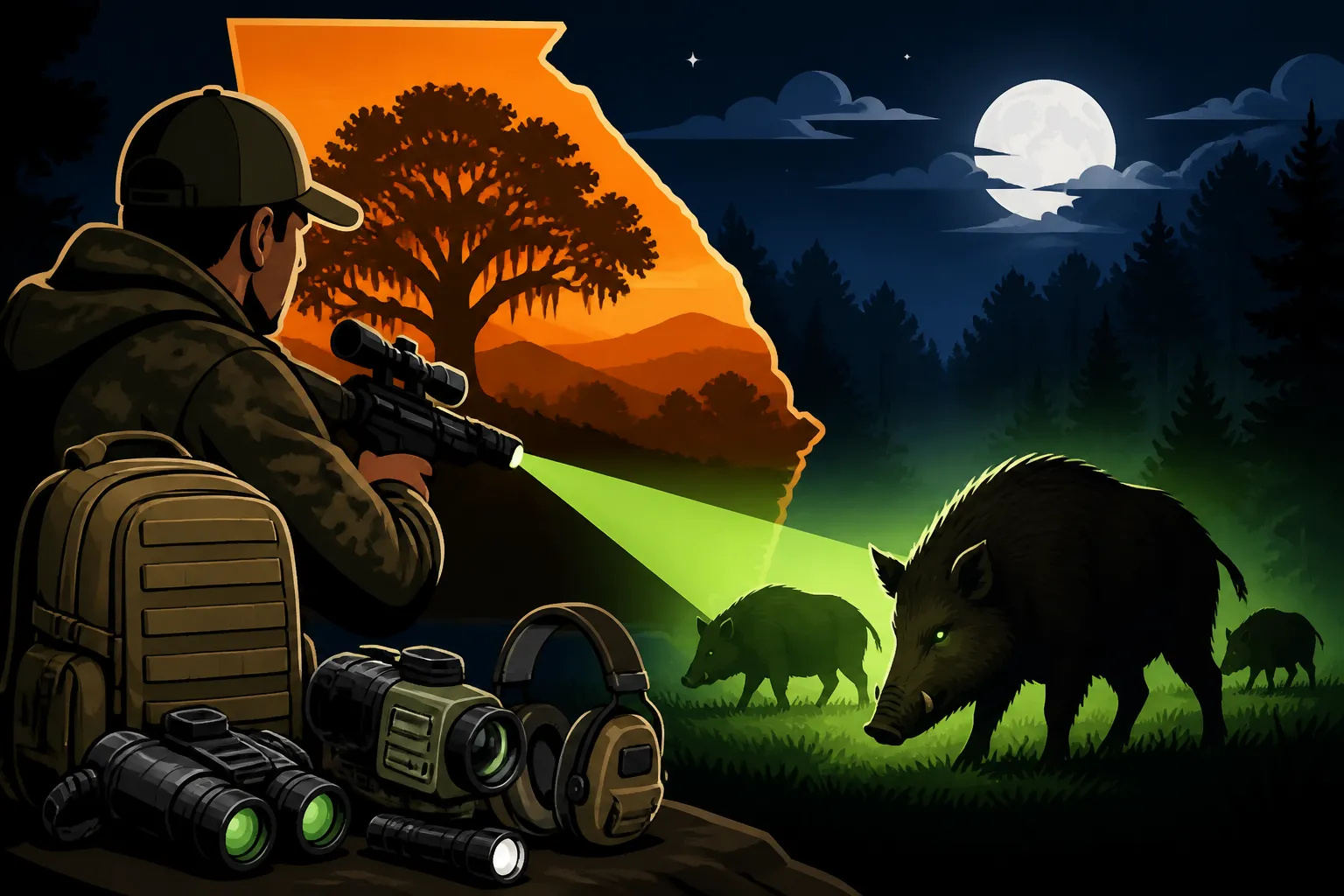
Night vision, in contrast to thermal, amplifies existing ambient light – starlight, moonlight, even distant city glow – to create an image. Modern digital night vision devices can also incorporate an infrared (IR) illuminator, which acts like a flashlight that only the night vision device can see, effectively turning pitch-black into a bright, usable image. Night vision provides a more traditional, green-tinted image that allows for better detail recognition than thermal. You can often make out the specific shape of a hog, its size, and sometimes even the distinct features of an individual animal. This can be beneficial if you're trying to selectively harvest larger boars. However, night vision can be hindered by absolute darkness without an IR illuminator, and dense fog or heavy rain can significantly degrade its performance. It's often favored for closer shots where precise target identification is needed. Like thermal, important considerations include resolution, battery life, and durability. Thermal Hunting Georgia Hogs at Night can provide more specific tactics.
Weapon-Mounted vs. Handheld Optics
Deciding between weapon-mounted and handheld optics, or using a combination, is a critical choice for night hunting.
-
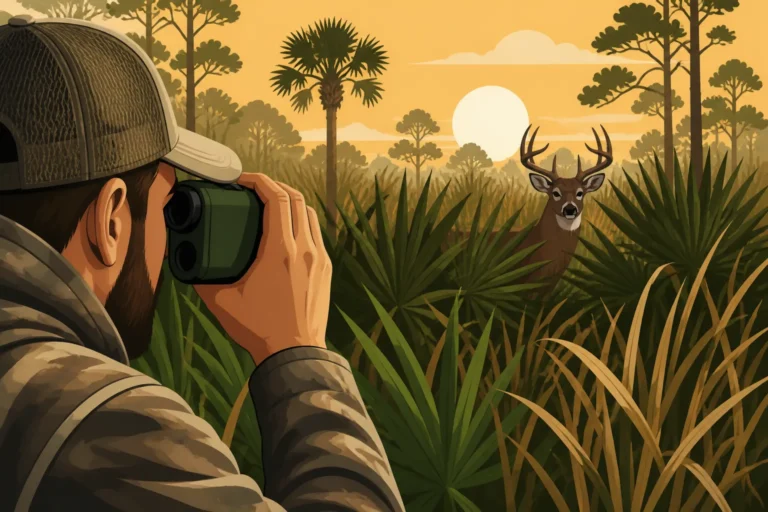
Handheld Optics: These are invaluable for scanning. A thermal monocular or binocular used handheld allows you to constantly sweep fields, timber lines, and creek bottoms for heat signatures without pointing your weapon in potentially unsafe directions. This is a huge safety advantage, as you can positively identify a target as a hog before you ever shoulder your rifle. It also conserves weapon battery life. A good strategy is to use a handheld thermal for detection, then transition to a weapon-mounted night vision or thermal scope for target identification and aiming.
-
Weapon-Mounted Optics: Once you've detected a hog with a handheld unit, or if you're hunting from a stationary position where you expect hogs to appear, a weapon-mounted scope is essential for accurate shot placement. These scopes replace your traditional rifle scope and integrate the night vision or thermal technology directly into your aiming system. They come in dedicated night vision or thermal models, or sometimes as clip-on units that attach to your existing daylight scope. When choosing a weapon-mounted optic, consider ease of zeroing, durability, and recoil resistance. Some models offer built-in rangefinders and ballistic calculators, enhancing accuracy in challenging conditions. The convenience of an integrated system means less fumbling in the dark.
Here's a quick comparison of the two primary night optics:
| Feature | Thermal Imaging | Night Vision |
|---|---|---|
| Detection Principle | Detects heat signatures | Amplifies ambient light, uses IR illuminator |
| Visibility | Excellent in total darkness, fog, smoke, light rain | Requires some ambient light or IR; hindered by fog/rain |
| Detail Recognition | Low detail (heat blobs), but excellent contrast | Higher detail (green image), like looking through a scope |
| Target Identification | Easy to spot animals, hard to identify species (unless experienced) | Easier to identify specific animal features |
| Range | Generally good for long-range detection | Good for detection, can be shorter for clear identification |
| Battery Life | Varies, often similar to night vision | Varies, IR illuminator can consume more power |
| Cost | Typically higher starting price | Can be more affordable, but high-end units are comparable |
| Ideal Use | Scanning large areas, thick cover, first detection | Precise target identification, closer shots |
Weapon Systems for Night Operations
Choosing the right firearm and accessories for night hog hunting is just as critical as your optics. Accuracy, stopping power, and the ability to operate effectively in low-light conditions are paramount. You want a setup that is reliable, comfortable, and provides quick, humane kills.
Choosing the Right Firearm and Caliber
For feral hogs, especially at night, a semi-automatic rifle is often preferred due to the potential for quick follow-up shots on multiple animals. AR-15 platform rifles are incredibly popular for their modularity, allowing easy attachment of optics, lights, and suppressors. When it comes to caliber, you need something with enough punch to reliably drop a tough hog.
- For smaller hogs or in areas where over-penetration is a concern: .223 Remington / 5.56 NATO can work, especially with heavier, bonded bullets designed for penetration. However, many hunters find it on the lighter side for large boars.
- The sweet spot for many hunters: .300 Blackout is a fantastic option, especially when suppressed. It offers excellent ballistics for close-to-medium range shots and handles heavy subsonic rounds well. Other popular choices include 6.5 Grendel or 6.8 SPC, which offer better ballistic performance than .223 at slightly longer ranges.
- For larger hogs or increased range: .308 Winchester or 7.62x39mm are excellent, providing ample energy and knockdown power. These calibers are capable of cleanly taking down even the largest Georgia hogs.
Shotguns loaded with slugs or buckshot can also be effective at very close ranges, especially in dense cover or when hogs are moving quickly. However, the limited range and slower follow-up shot capability often make rifles a more practical choice for most night hunting scenarios. Consider the terrain you'll be hunting; a dense pine thicket might favor a shorter, handier carbine, while open agricultural fields might call for a rifle capable of slightly longer shots.
Suppressors: A Game Changer for Night Hunting
If there's one piece of gear that truly elevates the night hunting experience, it's a suppressor (often mistakenly called a "silencer"). Suppressors dramatically reduce the muzzle blast and recoil, offering several significant advantages:
- Hearing Protection: This is paramount. Night hunting often involves rapid-fire engagements, and protecting your hearing is non-negotiable. A suppressor eliminates the need for ear protection, allowing you to hear ambient sounds and hog movements more clearly.
- Reduced Spooking: Hogs are intelligent and will often scatter at the first shot. With a suppressor, the noise signature is significantly reduced, often allowing for multiple shots on different hogs within a sounder before they fully realize what's happening and bolt. This can dramatically increase your harvest numbers.
- Improved Communication: Hunting with a partner becomes much safer and more efficient without concussive muzzle blast interfering with verbal communication or radio traffic.
- Enhanced Accuracy: Reduced recoil makes it easier to stay on target and observe bullet impact, facilitating quicker and more accurate follow-up shots.
While the process to acquire a suppressor involves federal paperwork and a waiting period, the investment is well worth it for any serious night hog hunter. You'll find many hunters in Georgia swear by them for Suppressors for Georgia Predator Hunting and hog control.
Ammunition Selection for Hogs
Choosing the right ammunition is crucial for humane kills and efficient harvesting. Hogs have tough hides, thick cartilage around their shoulders, and dense bone structure, particularly in larger boars. Standard varmint or deer ammunition might not perform optimally.
Look for bullets designed for deep penetration and controlled expansion.
- Bonded bullets: These bullets have their lead core chemically bonded to the copper jacket, preventing separation and ensuring high weight retention and deep penetration.
- Solid copper or monolithic bullets: These are also excellent for penetration, as they maintain their weight and integrity while expanding reliably.
- Heavy-for-caliber bullets: Opt for heavier bullet weights within your chosen caliber, as they tend to carry more energy and offer better penetration than lighter, faster alternatives.
- Specific hog hunting rounds: Several ammunition manufacturers produce lines specifically engineered for hog hunting, often featuring robust bullet designs tailored for this tough game.
Avoid thin-jacketed, rapidly expanding bullets designed for smaller game, as they may fragment on the tough hide and muscle of a hog, leading to superficial wounds rather than vital organ damage. Always pattern your chosen ammunition through your specific rifle and suppressor to ensure accuracy and understand its terminal performance.
Support and Stability: Tripods and Rests
Accuracy is paramount, especially when taking shots in the low-light conditions of night hunting. While modern optics make hogs visible, holding a rifle steady for a precise shot, particularly after a stalk or during an active scenario, requires solid support. Rests and tripods are not optional; they are essential tools for consistent, ethical kills.
Portable Shooting Rests and Tripods
When hunting on foot, stalking through fields or along timber edges, a portable shooting rest or tripod becomes your best friend.
- Bipods: These attach directly to your rifle and provide a stable two-point rest when shooting prone or from a bench. They are lightweight and quick to deploy, making them good for hunters who anticipate shooting from a low position. However, they don't offer much height for standing or kneeling shots in tall grass or uneven terrain.
- Shooting Sticks: These typically come in mono, bi, or tri-pod configurations. A good set of adjustable shooting sticks allows you to shoot from kneeling or standing positions, which is often necessary when hunting in Georgia's diverse landscapes. Look for models that are quick to deploy, sturdy, and silent. Carbon fiber models are lightweight and durable. Some have swiveling V-rests at the top, allowing for quick adjustments without repositioning the entire stick. They are invaluable for steadying your aim after a strenuous stalk.
- Tripods: A full-sized shooting tripod, particularly one designed for hunting, offers the most stability and versatility. Many models are designed to hold both your rifle and a spotter scope or thermal scanner, allowing you to glass and shoot from a rock-solid platform. They are especially useful when hunting from a fixed position, like the edge of a field, or when you need to make longer shots. Look for tripods with adjustable legs that can be splayed for stability on uneven ground and a smooth, fluid pan head for tracking moving targets. Consider weight if you plan on covering significant ground. Brands like Bog DeathGrip offer excellent options specifically for hunters.
Vehicle-Mounted Shooting Solutions
For some night hog hunting scenarios, especially on large private land tracts or agricultural properties, hunting from a vehicle might be part of the strategy. If this is the case, having a stable shooting platform mounted to your vehicle is a significant advantage.
- Window Rests: Simple beanbag rests or commercially available window mounts can provide a quick, stable platform for shooting from the passenger window of a truck or ATV. These are quick to deploy but offer limited range of motion.
- Roof or Bed Mounts: More elaborate systems can be mounted to the roof rack or the bed of a pickup truck, providing a sturdy, elevated shooting position with a wider field of fire. These systems often integrate swiveling seats and weapon clamps, allowing for comfortable and stable shooting over extended periods. It's crucial that any vehicle-mounted system is rock-solid and allows for safe weapon handling. Always be mindful of ethical and legal considerations when hunting from a vehicle, even if allowed for hogs on private land. Ensure your vehicle is positioned safely, with a clear backdrop for every shot.
Ground Blind and Stand Considerations
While many night hunts are active and involve stalking, sometimes setting up in a ground blind or elevated stand is the most effective approach, especially when targeting hogs coming to a bait site or a specific food plot.
- Ground Blinds: A pop-up ground blind offers concealment and a dark interior, perfect for hiding your silhouette and movement. When using thermal or night vision, being completely hidden is a major advantage. Look for blinds with silent window closures and ample space to maneuver your firearm and optics. Brush your blind in thoroughly during daylight hours to allow hogs to get used to its presence. You'll want to ensure the blind is anchored well to withstand Georgia's occasional strong winds.
- Elevated Stands: Tree stands, particularly enclosed box blinds, offer an excellent vantage point and can be very comfortable for long sits. The elevated position reduces the chance of detection by a hog's keen sense of smell and provides a safer shooting angle. Ensure your stand is sturdy, securely attached, and offers a stable rest for your firearm. Many enclosed blinds have shooting rails or shelves that are perfect for bracing your rifle. Remember to set up well in advance and use scent control, even at night, as hogs still use their nose to detect danger. Don't forget your safety harness – even at night, gravity works the same. Using a ground blind on Georgia public land will have specific rules you'll need to know.
Comfort and Safety in the Dark
Night hunting adds unique dimensions to personal comfort and safety. You're operating in an environment where your senses are often challenged, and the risks can be amplified. Being prepared with the right clothing, safety gear, and communication tools is not just about making the hunt more enjoyable; it's about ensuring you return home safely.
Appropriate Clothing and Footwear
Georgia nights, even in cooler seasons, can still be damp and carry a chill, especially in low-lying areas or after a cold front.
- Layered Clothing: Dress in layers, even if the evening starts warm. As the night progresses, temperatures can drop significantly. A moisture-wicking base layer, an insulating mid-layer (fleece or synthetic down), and a quiet, water-resistant outer layer are ideal. Focus on quiet fabrics that won't rustle loudly when you move, as sound carries further at night.
- Dark Colors/Camo: While thermal and night vision render colors moot for the hogs themselves, dark clothing helps conceal your silhouette against residual ambient light. Avoid anything reflective.
- Durable Footwear: Sturdy, comfortable, and waterproof boots are essential. Georgia terrain can be uneven, muddy, and covered in obstacles hidden by darkness. Look for boots with good ankle support and aggressive tread for traction. If hunting near swamps or wetlands, knee-high rubber boots or snake boots are highly recommended. Snake Boots for Georgia Swamp Ground are a smart investment.
- Headwear: A dark beanie or cap helps retain body heat and keeps your head concealed.
Essential Safety Gear and First Aid
Safety should always be your top priority, especially when hunting in the dark.
- First Aid Kit: A well-stocked first aid kit is non-negotiable. Include bandages, antiseptic wipes, pain relievers, gauze, medical tape, and any personal medications. Consider a tourniquet and know how to use it.
- Strong Headlamp with Red Light Option: While you'll be relying on your thermal or night vision, a reliable headlamp is crucial for tasks like packing gear, field dressing, or navigating to and from your stand. Choose one with a red light setting, as red light preserves your natural night vision and is less likely to spook game (though hogs won't see it anyway with your NV/Thermal setup, it's good practice for other species).
- Knife/Multi-tool: A sharp, reliable knife is essential for field dressing and general utility tasks.
- Backup Batteries: Night vision and thermal optics are battery hogs. Always carry multiple sets of fresh, charged spare batteries for all your electronic devices – optics, headlamp, and communication tools.
- Blaze Orange (for transit): While not typically worn during the active night hunt itself, if you are transiting to and from your hunting spot during twilight hours or at any point where other hunters might be active, consider carrying a blaze orange vest to don when not actively hunting, especially if hunting on public land. Even though hogs don't see it, other hunters certainly will.
Communication and Navigation Tools
Getting lost or encountering an emergency in the dark can quickly turn dangerous.
- GPS Device/Smartphone App: A dedicated GPS unit or a reliable hunting app like GoHunt on your smartphone is crucial for navigation. Pre-load your hunting area maps, mark your vehicle's location, stand locations, and potential hazards. Ensure your phone is fully charged and consider a portable power bank. GoHunt is excellent for identifying property lines and terrain features, which become even more critical when navigating in the dark.
- Two-Way Radio (if with a partner): If you're hunting with a partner or group, two-way radios allow for silent, instant communication without having to shout or use cell phones, which might not have service in remote Georgia locations. Establish clear communication protocols beforehand.
- Whistle: A simple whistle can be an effective way to signal for help or alert partners in an emergency, especially if radios fail or cell service is absent.
- Emergency Contact Information: Have a plan for who to contact in an emergency and ensure they know your general hunting location and expected return time.
Calling and Baiting Strategies
Beyond just optics and firearms, successful night hog hunting often involves actively attracting hogs to your location. This can be done through sound, scent, and food, all of which require specific gear and strategic deployment.
Electronic Hog Calls and Decoys
Hogs are vocal animals, and their curiosity can be exploited with the right calls.
- Electronic Hog Calls: These devices come pre-loaded with a variety of hog sounds, including feeding frenzies, distress calls, and piglet squeals. A remote-controlled electronic caller allows you to place the speaker downwind and away from your position, drawing hogs past your shooting lane. Piglet distress calls are particularly effective at drawing in sows, who are highly protective of their young. Boar grunts can sometimes challenge other boars to investigate. Experiment with different calls and volumes; sometimes less is more. Ensure your caller has good battery life and a clear, loud speaker.
- Hog Decoys: While less common for night hunting than turkey or deer decoys, realistic hog decoys can sometimes be used to provide a visual focal point for incoming hogs, especially if used in conjunction with calls. Place them realistically in an open area where they are visible through your optics. The most effective use is often for a curious hog to come closer to investigate, giving you a better shot opportunity. Just remember to pick up your decoys before leaving to avoid confusion for other hunters.
Baiting Systems and Dispensers
Baiting is a highly effective, and legal, method for attracting feral hogs in Georgia. It concentrates them in a predictable location, making night hunting more efficient.
- Feeders and Dispensers: Automated feeders that dispense corn or other hog attractants at specific times are invaluable. They habituate hogs to a location and a schedule, increasing your chances of interception. Look for feeders that are robust, weatherproof, and can hold a significant amount of bait. Many models allow for programming specific drop times and amounts. Some even offer remote control via smartphone apps, allowing you to monitor bait levels and even activate drops from a distance. Gravity feeders are a simpler, more affordable option that allow hogs to access bait on demand, but they might not control feeding times as precisely.
- Bait Materials: Whole kernel corn is the classic choice for hog bait. You can enhance its attractiveness by souring it (fermenting it with water and yeast) or adding commercial hog attractants with strong scents like cherry, vanilla, or anise. These powerful smells carry on the night air and draw hogs from a distance. Remember, consistency is key; keep your bait site replenished regularly to maintain hog interest. You can read more about Baiting a Feral Hog Trap Site for detailed advice.
- Scent Control: Even when baiting at night, hogs' sense of smell is legendary. Always approach your bait site and hunting position with scent control in mind. Wear clean clothing, use scent-eliminating sprays, and approach from downwind whenever possible. This minimizes the chance of hogs smelling you before they reach the bait.
Setting Up a Trap Site at Night
While primarily focused on hunting, some night operations might involve checking or setting up traps for feral hogs. This requires its own set of considerations.
- Trap Design: Hog traps vary from simple panel traps to large, sophisticated corral traps. Familiarize yourself with effective trap designs, ensuring they are sturdy enough to contain powerful hogs and designed for easy capture and removal. Choosing the right trap for the number of hogs you expect is important.
- Remote Monitoring: For night trapping, remote camera systems that send alerts to your phone are incredibly useful. These trail cameras with cellular capabilities allow you to monitor trap activity in real-time, letting you know when hogs are present or when the trap has sprung, minimizing unnecessary trips into the area and maximizing efficiency. Trail Cameras on Georgia Public Land can provide general information, but for night trapping, cellular models are key.
- Secure Containment: Ensure your trap site is secure and away from public access if possible. After a capture, safely and ethically dispatching the hogs is the next step, which also happens most effectively at night.
Post-Harvest Essentials
Congratulations, you've successfully harvested a feral hog in the dark! But the work isn't over. Proper post-harvest care is crucial for meat quality and adherence to regulations. This part of the hunt is just as important as the shot itself and often requires its own set of specialized gear, especially when operating under the cloak of night.
Field Dressing and Processing Gear
Field dressing a hog in the dark requires a good light source and the right tools. Hogs can carry various diseases, so always wear gloves and practice good hygiene.
- Headlamp with High Lumens: A bright headlamp is essential for visibility during field dressing. Choose one with multiple brightness settings and a wide beam to illuminate your work area. Again, a red light option is good for preserving night vision before you start the work.
- Field Dressing Kit: A sharp, sturdy knife designed for field dressing is paramount. Many hunters prefer a gut hook knife for opening the abdominal cavity safely. Include a bone saw if you plan on quartering in the field, though many prefer to bring the whole animal out. Gloves (latex or nitrile) are a must for sanitation and disease prevention.
- Game Bags: Especially in Georgia's warm climate, game bags are vital for protecting the meat from dirt, insects, and flies. Even at night, temperatures can be high, and bugs are a constant presence. Choose breathable, washable game bags to keep the meat clean while it cools.
- Wipes and Sanitizer: Keep hands and tools clean with sanitizing wipes or hand sanitizer. This is critical for preventing cross-contamination and maintaining hygiene.
- Coolers and Ice: Have plenty of coolers filled with ice ready at your vehicle. As soon as the hog is field dressed, get the carcass or quarters on ice to rapidly cool the meat, especially if temperatures are still warm. This is arguably the most critical step for preserving meat quality.
Game Retrieval and Transport
Getting a downed hog out of the woods, especially in the dark and potentially rough Georgia terrain, can be a major challenge. These animals can be surprisingly heavy.
- Deer Cart/Game Carrier: For single hunters or those with limited manpower, a robust deer cart or game carrier is a lifesaver. These wheeled devices allow you to haul heavy animals out of difficult areas with less effort. Look for models with large, sturdy wheels that can handle uneven ground, roots, and mud.
- Drags and Straps: Simple game drags or heavy-duty straps can be used to pull hogs, especially if you have help. A sturdy rope attached to the hog's snout or legs can facilitate dragging over shorter distances.
- ATV/UTV: If hunting on private land where vehicle access is permitted, an ATV or UTV can make game retrieval much easier. Ensure your vehicle has adequate lighting for navigating in the dark and the capacity to safely transport the hog. Always drive responsibly and safely.
- Wagon/Trailer: For multiple hogs or very large ones, a small utility wagon or trailer pulled by an ATV/UTV can be invaluable. This prevents overloading your vehicle and makes transport efficient.
Proper Storage and Preservation
Once the hog is out of the field, proper storage is crucial until you can fully process the meat.
- Continue Cooling: Keep the field-dressed carcass or quarters on ice in coolers, draining any melted water frequently to prevent the meat from sitting in water. This rapid cooling is paramount for preventing bacterial growth.
- Butchering: Plan to butcher the hog as soon as possible, ideally within 24 hours of harvest. If you don't process your own game, have a reputable local processor lined up. They are experienced with handling wild game and can turn your hog into delicious cuts of meat, sausages, or ground meat.
- CWD Considerations: While Chronic Wasting Disease (CWD) is relatively new to Georgia, it's always wise to be aware of the Georgia's Chronic Wasting Disease Management Area and any associated carcass movement restrictions. If hunting in or near a CWD management area, follow all guidelines for testing and handling.
- Donation: If you don't intend to keep all the meat, consider donating it to local food banks or programs that accept wild game. Many communities appreciate the lean, organic protein.
By being prepared for every stage of the night hunting experience – from detection to retrieval and processing – you not only increase your success rate but also ensure a safe, ethical, and rewarding experience out in the Georgia wilds.
Disclaimer
This article is for general informational purposes only and does not constitute professional advice. Laws, prices and regulations vary by location and change over time. Consult a qualified professional for guidance on your specific situation.