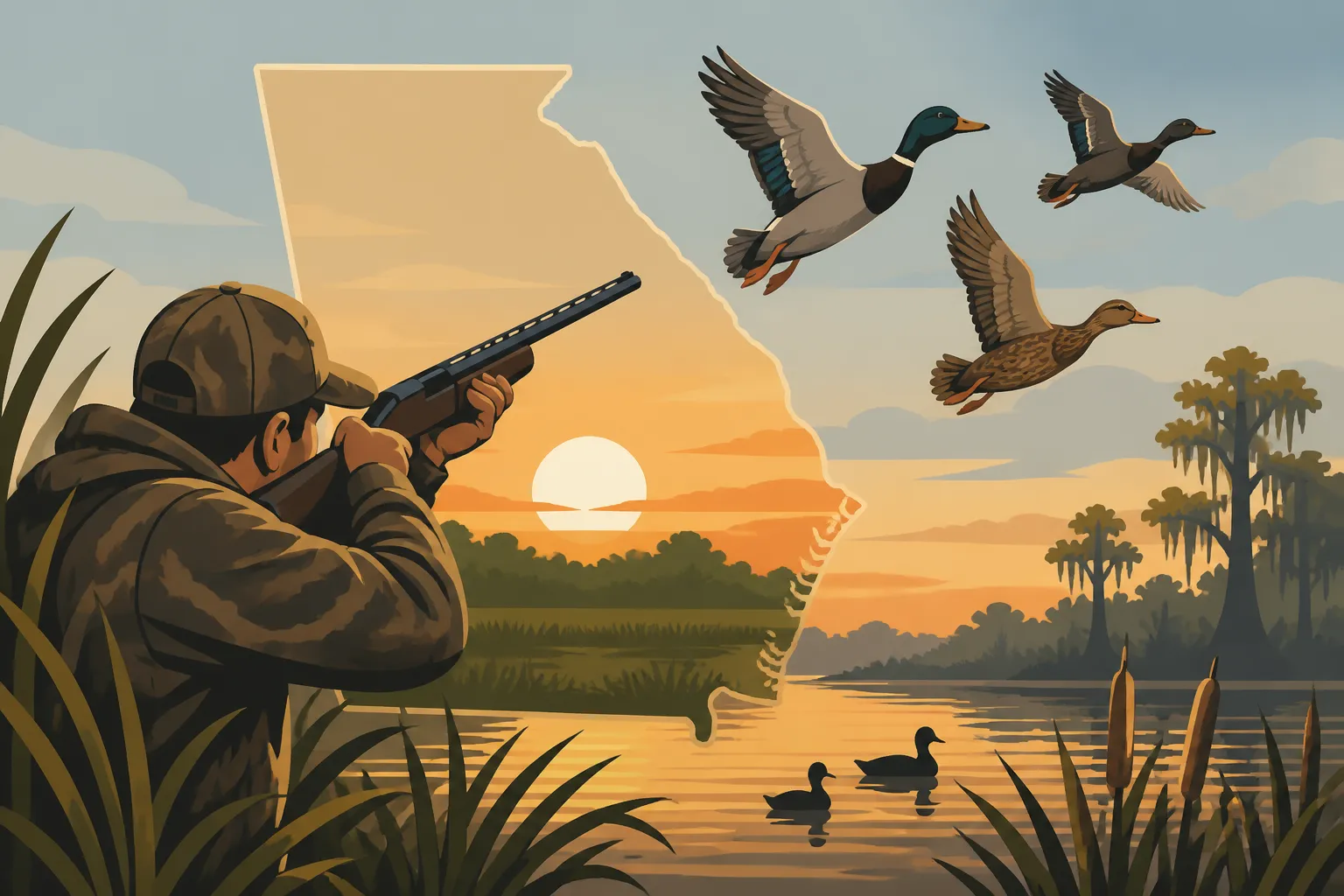
Georgia Waterfowl Hunting on Coast and Swamp
For many waterfowlers in Georgia, the dream of a challenging hunt often collides with the reality of diverse and sometimes daunting landscapes. Whether you're picturing teal zipping through coastal marsh grass or wood ducks diving into a cypress swamp, knowing how to navigate these unique environments can feel like a puzzle. This guide aims to unravel that puzzle, offering practical, in-depth advice on successfully hunting waterfowl across Georgia's rich coastal and swamp ecosystems.
Understanding Georgia's Waterfowl Landscape
Georgia might not be the first state that comes to mind when you think of waterfowl hunting, but trust me, we've got some incredible opportunities if you know where to look and how to approach them. From the salty expanses of our coast to the deep, dark cypress swamps inland, the variety of habitats means a variety of birds and hunting challenges. It's a truly unique experience, quite different from hunting geese over cornfields up North.
Coastal Marshes: A Salty Haven
Our coastal marshes are a world unto themselves, a vast, intricate network of Spartina grass, tidal creeks, and mud flats that stretch for miles. It's a habitat primarily influenced by the Atlantic Ocean's tides, creating a constantly changing environment. This is where you'll find a fantastic array of migratory ducks, especially during the colder months when the flyway pushes birds south. The sheer scale can be overwhelming at first glance, making it tough to pinpoint exactly where the birds are resting or feeding.
You'll often hear veteran hunters talk about the tides dictating everything. Low tide exposes massive mud flats, concentrating feed for dabblers, while high tide floods areas, allowing birds to access new feeding grounds and offering more concealment for hunters. Species like green-winged teal, blue-winged teal, gadwalls, and wigeon are regulars here, along with various diver ducks further out in the sounds and estuaries. Think about places like the Altamaha River Delta or the expansive marshes around Brunswick and Darien. These areas, while beautiful, demand intimate knowledge of boat navigation and tidal charts. Getting stuck in the mud far from your launch point is a real possibility for the uninitiated, so always plan your escape route!
Inland Swamps and River Bottoms: Freshwater Flights
Move away from the coast, and Georgia transitions into a landscape of dense freshwater swamps and meandering river bottomlands. These areas, often characterized by cypress, tupelo, and willow trees, provide critical habitat for a different suite of waterfowl. Here, the water levels are more influenced by rainfall and river flow rather than ocean tides, though heavy rains can certainly create temporary, prime hunting spots. These are the places where the iconic wood duck reigns supreme.
Hunting these inland havens often means navigating narrow sloughs, dense timber, and shallow water. It's a much more intimate, often quiet hunt compared to the vastness of the coast. Mallards, especially "local" mallards, often utilize these areas, as do ring-necked ducks and occasional gadwalls or wigeon. The challenge here isn't usually the vast open water, but rather the thick cover, limited visibility, and sometimes difficult access. Recovering birds in dense submerged timber can be a major task, and understanding where the birds prefer to roost or feed in these complex environments is key. Consider river systems like the Ocmulgee, Altamaha, and Oconee, which hold fantastic opportunities for those willing to put in the legwork. You can learn more about how deer move in these areas by reading about Hunting Georgia Swamp and River Bottom Deer, which often share similar travel corridors with wood ducks.
Piedmont and Farmland Water Bodies: Ponds and Flooded Fields
While the focus of this guide is on coastal and swamp hunting, it's worth a quick mention that Georgia's Piedmont region and agricultural areas also offer waterfowl opportunities. These are typically smaller, more scattered water bodies like farm ponds, beaver swamps, and occasionally, flooded agricultural fields. They might not hold the massive numbers of birds seen on the coast or in major river systems, but they can be incredibly productive, especially for resident Canada geese and local wood ducks or mallards.
Hunting these spots often involves securing private land access, and scouting is paramount. These smaller, often isolated water sources can act as magnets for birds passing through, especially if they offer consistent food sources like acorns or leftover grain. The tactics here can differ significantly, often involving smaller decoy spreads and more emphasis on concealment around the water's edge. While not our main topic today, it highlights the diverse nature of waterfowl hunting across the entire state, offering something for every type of hunter.
Key Waterfowl Species and Their Habits
Understanding the specific habits of the ducks and geese you're pursuing is absolutely crucial for success in Georgia. Different species prefer different habitats, feed on different things, and react to calls and decoys in unique ways. It's not a one-size-fits-all approach when you're targeting birds in our state.
Coastal Ducks: Teal, Wigeon, and Divers
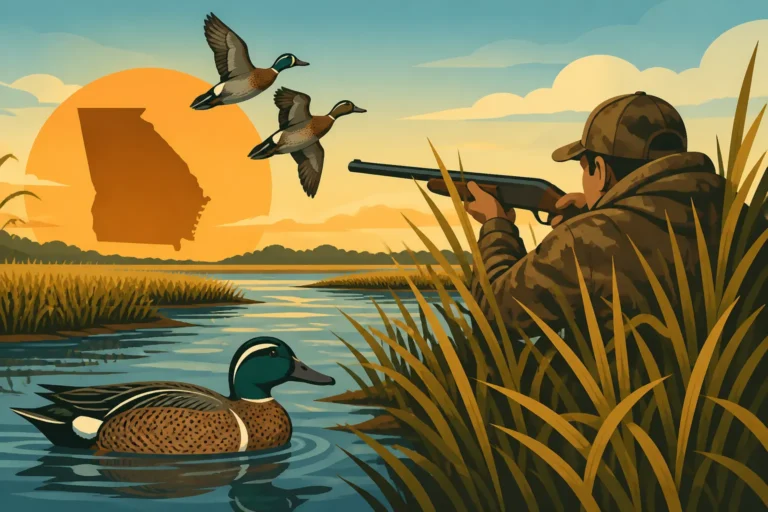
When you're out on the Georgia coast, particularly in the salt marsh, you're likely going to encounter a variety of dabbling ducks, especially early in the season. Green-winged teal and blue-winged teal are incredibly fast flyers and often travel in tight flocks. They love the shallow, brackish waters of the marsh, feeding on small invertebrates and plant seeds. Wigeon are another common sight, easily identifiable by their distinct white belly and often more vocal nature. They're grazers, frequently seen tipping up to feed on submerged vegetation. Both teal and wigeon respond well to aggressive calling and realistic decoy spreads in the right location.
Further offshore, or in the larger, deeper tidal creeks and estuaries, you might encounter diving ducks. Species like buffleheads, ruddy ducks, and occasionally scaup will utilize these areas. Divers are a different breed altogether; they don't tip up to feed like dabblers, but rather dive completely underwater for their food, often small fish, crustaceans, and aquatic plants. They typically require a different decoy spread, often set further out in deeper water, and their flight patterns can be less predictable. Identifying them correctly on the wing is essential for proper engagement, as bag limits and season dates can vary slightly. Knowing your ducks is not just good practice, it's part of being a responsible hunter.
Inland Ducks: Wood Ducks, Mallards, and Gadwall
Shift your focus to Georgia's inland swamps and river bottoms, and the king of the freshwater timber is undoubtedly the wood duck. These stunningly beautiful ducks are prolific throughout the state, especially where there's plenty of dense, flooded timber and mature hardwoods that drop acorns. Wood ducks are early risers, often flying into their chosen feeding or loafing areas right at legal shooting light, making jump-shooting opportunities and morning roost hunts particularly productive. Later in the morning, they'll often retreat to thick cover to loaf. Their diet consists heavily of acorns, seeds, and aquatic insects. Understanding their typical flight paths between roosts and feeding grounds is vital for setting up effectively. If you're looking for more specific tactics on how to approach these types of hunts, check out our guide on Pass-Shooting Georgia Wood Ducks.
Mallards are also common in these freshwater systems, though sometimes in smaller numbers than you might find further north. We have both resident mallards and migrants that push down from the Atlantic Flyway. They're more versatile than wood ducks, utilizing everything from flooded timber to agricultural fields and beaver ponds. Gadwalls are another dabbler that thrives in freshwater, often found in larger open pockets within swamps or along river edges, where they can feed on submerged vegetation. Both mallards and gadwalls will readily respond to calling, especially if you can mimic their natural sounds, and they're attracted to quality decoy spreads. The challenge with mallards, especially in heavily pressured areas, is getting them to commit to the decoys without flaring.
Geese: Resident and Migratory Canada Geese
While ducks might get most of the attention, Georgia is home to a robust population of Canada geese. We have a significant number of resident Canada geese that breed and live in the state year-round, as well as migratory populations that pass through or winter here. These birds are often found on larger open water bodies like lakes, reservoirs, and rivers, but they also heavily utilize agricultural fields, especially those with winter wheat, corn, or peanut stubble.
Hunting geese often requires a different approach than ducks. They are larger, warier birds with excellent eyesight. Spreads of large, realistic decoys are usually necessary, and concealment in a layout blind or well-camouflaged pit blind is paramount. Calling for geese involves different sounds and cadence compared to duck calling. Fields where geese are known to feed regularly can be incredibly productive, but securing permission for these private land hunts is often the biggest hurdle. On public land, focusing on large bodies of water where they roost and then intercepting them as they fly to feed can be a successful tactic. Don't overlook the opportunities for Canada Geese on Georgia Farmland, as they can provide thrilling action, especially when the duck hunting is slow.
Essential Gear for Georgia Waterfowl Hunters
Heading out for a waterfowl hunt in Georgia, whether on the coast or deep in a swamp, isn't something you want to do ill-prepared. The right gear can make the difference between a miserable, cold, wet day and a successful, comfortable one. Beyond your license and stamps, which we'll cover later, there are some non-negotiable items you'll need.
Shotguns and Ammunition: Non-Toxic Requirements
First things first, your shotgun. A 12-gauge is by far the most popular choice for waterfowl, offering a good balance of pellet count and versatility with various loads. Many hunters opt for a semi-automatic or pump-action for quick follow-up shots on fast-moving birds. Make sure your shotgun is well-maintained and accustomed to the often damp and muddy conditions you'll encounter. As for ammunition, Georgia, like all states, requires the use of non-toxic shot for waterfowl hunting. This means no lead shot. Steel shot is the most common and affordable option, but many hunters are now opting for higher-performing alternatives like bismuth, tungsten-iron, or even pure tungsten blends, such as those offered by Federal Premium or Kent Cartridge. These heavier-than-lead options offer better patterns, increased range, and more knockdown power, albeit at a higher cost.
Choosing the right shot size depends on the species you're targeting. For fast-flying teal or smaller ducks, #4 or #3 steel shot is often sufficient. For larger ducks like mallards, gadwall, or even geese, B.B., #2, or #1 steel shot is more appropriate. With denser, non-toxic alternatives, you can often go down one or two shot sizes for similar performance. Always pattern your shotgun with your chosen loads and choke combination before the season to understand its effective range and spread. A modified or improved cylinder choke is a good starting point for most waterfowl situations, providing a balanced pattern at typical ranges.
Decoys and Blinds: Matching Your Environment
Decoys are your silent partners in waterfowl hunting. For coastal marsh hunting, particularly for dabblers, a spread of six to twelve realistic teal, gadwall, or wigeon decoys can be very effective. If you're targeting divers, you'll need different styles of decoys, often set in larger spreads in deeper water. For swamp and river bottom hunting, especially for wood ducks, a dozen wood duck decoys, perhaps mixed with a few mallards, will draw attention. When hunting geese, full-body or shell decoys in a field setting are often preferred, with numbers often reaching several dozen or more to create a realistic spread. Consider adding a few motion decoys, like spinning-wing models, to add realism and attract distant birds. Mojo Outdoors offers a popular range of motion decoys that can be very effective.
Your blind setup needs to disappear into the environment. In coastal marshes, this might mean a layout blind brushed in with marsh grass, or a boat blind specifically designed for shallow water use. On a mud flat, a simple dog-house blind well camouflaged with surrounding vegetation can be enough. For timber and swamp hunting, natural cover is your best friend. A simple stool or bucket tucked into the shadows of cypress knees, or a pop-up ground blind strategically placed, can work wonders. In agricultural fields, layout blinds are king, allowing you to hide completely flat until the birds commit. Remember, concealment isn't just about covering yourself; it's about breaking up your outline and blending with the natural surroundings.
Waders, Boats, and Safety Equipment
Georgia's waterfowl habitats are inherently wet, so good waders are non-negotiable. Chest waders, preferably made of durable neoprene or breathable GORE-TEX, are essential for staying dry and warm. Look for waders with good ankle support, especially if you'll be trudging through mud or uneven swamp bottoms. Snake boots are also a smart choice, especially in early season when reptiles are active, or when you're walking through thick vegetation to get to your spot.
For accessing many of Georgia's prime waterfowl spots, particularly on the coast or larger river systems, a boat is often necessary. A shallow-draft jon boat with an outboard motor, or even a mud motor, is ideal for navigating skinny water and marshy areas. On the coast, larger boats might be needed for crossing open water, but you'll still want a smaller skiff or kayak for the final approach into the tightest spots. Always carry all required safety equipment: personal flotation devices (PFDs) for everyone on board, a whistle, navigation lights (if hunting before sunrise or after sunset), and a first-aid kit. A reliable GPS unit or a mapping app like GoHunt on your phone is crucial for navigating unmarked channels and remembering your exact hunting location, especially in vast, featureless marshlands. Never underestimate the dangers of getting lost in a thick fog or trying to navigate unfamiliar waters in the dark.
Scouting and Location Strategies
You can have the best gear and the most expensive gun, but if you're not where the birds want to be, you're not going to be successful. Effective scouting is the backbone of any good waterfowl hunt, and in Georgia's diverse habitats, it takes on even greater importance. The birds' patterns can shift with weather, food availability, and hunting pressure, making current information invaluable.
Reading the Tides and Water Levels on the Coast
On the Georgia coast, the tide isn't just a factor; it is the hunt. Understanding tidal charts is absolutely critical. Ducks, especially dabblers, will often move into certain areas on a rising or high tide to feed on submerged vegetation or invertebrates that become accessible. Conversely, a falling or low tide can concentrate birds in deeper guts and channels, or expose vast mud flats where they can loaf and preen. Knowing when and where the birds are feeding based on the tide will dictate your setup location and timing.
For instance, if you're targeting teal that love shallow puddles, you might set up in an area that floods at half-tide, but you'd need to be ready to move as the tide recedes. Many coastal hunters focus on scouting at varying tides, looking for areas where birds consistently land, feed, or leave obvious sign like droppings or disturbed mud. You'll also need to factor in access: can your boat get into your desired spot at all tide levels, or only at certain times? Getting caught by a falling tide and being stranded on a mud flat can quickly turn a fun hunt into a serious predicament. Learning to read the subtle changes in the marsh, like current lines and areas where feed might accumulate, will give you a significant advantage.
Identifying Roosts and Feed Areas Inland
Inland, especially in the swamps and river bottoms, water levels are more influenced by recent rainfall and river stages. However, the principle remains the same: find where the birds want to be. Wood ducks, in particular, are creatures of habit when it comes to roosting. They'll often use the same protected, heavily timbered areas with shallow water to spend the night. Identifying these roosts, usually by watching evening flights, is key to planning a successful morning hunt. Once they leave the roost, they'll disperse to feeding areas. These can be flooded timber patches with abundant acorns, beaver ponds, or slow-moving creeks with aquatic vegetation.
Scouting inland often involves walking, paddling, or using a small jon boat to explore various waterways and flooded areas. Look for fresh droppings, disturbed water, and most importantly, listen for ducks calling or flushing. Pay attention to food sources; a stand of oaks dropping acorns into shallow water can be a magnet for wood ducks and mallards. Don't be afraid to put boots on the ground (or waders in the water) and thoroughly explore potential spots before the season. The Georgia Outdoors app can be a great tool for scouting, allowing you to mark potential spots and identify land ownership. For more general scouting tips that apply to various game, check out our guide on Scouting Georgia Public Land Before Season.
Utilizing Public and Private Access
Georgia offers a mix of public and private land for waterfowl hunting. Public options include Wildlife Management Areas (WMAs) and areas within the Chattahoochee-Oconee National Forest, especially along major river corridors. Some WMAs, like Altamaha River WMA or certain sections of the Okefenokee Swamp, are renowned for waterfowl. These areas often require a WMA stamp in addition to your regular licenses. The challenge with public land is often hunting pressure. Finding secluded spots that other hunters overlook can be the key to consistent success. This might mean walking further, paddling deeper, or hunting during weekdays when crowds are lighter.
Private land offers more control and potentially less pressure, but requires securing permission. This could be through a personal connection with a landowner, joining a hunting club, or leasing land. For smaller water bodies like farm ponds or flooded fields, politely asking landowners for access can yield fantastic results. Always respect private property, leave no trace, and offer to share your harvest. Building good relationships with landowners is crucial for long-term access. Whether public or private, using mapping tools like GoHunt or OnX Hunt to identify property lines, access points, and potential bird habitats can save you a lot of time and effort in the scouting phase.
Effective Hunting Tactics for Different Habitats
Once you've done your scouting and understand the local bird movements, it's time to put a plan into action. Different habitats in Georgia demand different hunting tactics, and what works beautifully in a coastal marsh might be a complete bust in a cypress swamp. Adaptability is key.
Pass-Shooting and Jump-Shooting in Swamps
For those rugged, thick swamps and river bottoms, pass-shooting and jump-shooting are incredibly effective tactics, especially for wood ducks. Pass-shooting involves positioning yourself along a known flight corridor between a roost and a feeding area. This often means finding a choke point or a bend in a creek where ducks consistently fly over. You'll need to be well-hidden, usually tucked against a large cypress tree or in thick brush, and ready for fast, close-range shots. Wood ducks are notoriously quick and agile through timber, so practice your swing and quick target acquisition.
Jump-shooting, on the other hand, is a more active approach. It involves slowly and quietly navigating a small creek, slough, or beaver pond, flushing ducks as you go. This can be done on foot in waders, or from a stealthy canoe or kayak. The element of surprise is your biggest asset here. You're looking for ducks that are loafing or feeding in thick cover, and as you round a bend or push through vegetation, they'll erupt. It's exhilarating and requires quick reflexes. This method is particularly fruitful in the early season when birds are less wary and hunting pressure is lower. For detailed strategies on this, revisit the topic of Jump-Shooting Georgia Beaver Ponds for Wood Ducks.
Decoy Spreads for Coastal Marsh Divers
Hunting divers in coastal Georgia involves a different strategy, often focusing on larger, more open water areas. Diver ducks like buffleheads or scaup typically raft up in open water and feed by diving. Your decoy spread needs to reflect this. A common setup involves a long string of diver decoys, often 12-24 or more, extending out from your blind or boat. This "long-line" or "gang-rig" approach mimics a raft of ducks and is highly visible from a distance. You'll typically want to set these decoys in deeper water than you would for dabblers, as divers prefer it.
Concealment is still paramount, but it might mean a well-camouflaged boat blind, especially if you're hunting from a larger boat. Some hunters use small, low-profile layout boats that blend into the water, particularly if they're hunting more exposed areas. Calling for divers is also different; while some general quacks might attract attention, specific diver calls are less common or effective. The primary attractant is the visual appeal of a large, realistic spread in a high-traffic area. Pay attention to wind direction, as divers often land into the wind, so position your spread to allow them a clear flight path to your decoys with the wind at their backs.
Layout Blind Hunting and Field Edge Setups
While we're focusing on coast and swamp, it's worth touching on layout blind hunting, which is a fantastic method for hunting geese and sometimes ducks in agricultural fields or along field edges near water. This involves setting up specialized, low-profile blinds directly in the field, then camouflaging them meticulously with local vegetation like corn stalks or grass. You lay completely flat until the birds commit to your decoy spread, then sit up to shoot. This offers unparalleled concealment in open environments.
For ducks, especially mallards, if you have access to a flooded agricultural field or a pond on a field edge, a smaller decoy spread with a few mallard or gadwall decoys, combined with well-brushed ground blinds or layout blinds, can be deadly. The key is to hide your setup completely, ensuring no unnatural shapes or glints are visible to wary birds. Using a combination of calls – mallard hails, feeding chuckles, and greeting calls – can entice birds to drop into your spread. Remember that good field setups are all about realism and minimal disturbance.
Navigating Regulations and Licensing
Hunting waterfowl in Georgia isn't just about knowing where the birds are or what gear to use; it's also about understanding and adhering to a specific set of federal and state regulations. Missteps here can lead to heavy fines and the loss of hunting privileges, so pay close attention to the rules.
Federal and State Duck Stamp Requirements
To hunt migratory waterfowl in Georgia, you'll need a combination of licenses and stamps. First, you'll need a valid Georgia hunting license, which can be purchased through the Georgia Department of Natural Resources (DNR) Go Outdoors Georgia portal or from an authorized license vendor. Beyond the basic hunting license, you'll need the Georgia Migratory Bird Stamp. This state-specific stamp contributes directly to waterfowl conservation efforts within Georgia.
Critically, you also need a Federal Migratory Bird Hunting and Conservation Stamp, often simply called the "Federal Duck Stamp." This stamp is a requirement for all migratory bird hunters aged 16 and older across the entire United States. The funds generated from Federal Duck Stamp sales are a major source of funding for the acquisition and preservation of wetlands, which are vital habitats for waterfowl and countless other species. You can purchase the Federal Duck Stamp at most Post Offices, some sporting goods stores, or online through the U.S. Fish & Wildlife Service. Always ensure you have both your state and federal stamps, along with your valid hunting license, when afield. Our guide on Georgia Federal Duck Stamp Requirement provides more details.
HIP Certification and Migratory Bird Rules
Another crucial requirement for anyone hunting migratory birds in Georgia is the Harvest Information Program (HIP) certification. This isn't a physical stamp or license you carry, but rather a simple survey you complete when you purchase your hunting license each year. It asks questions about your previous year's migratory bird hunting activity. The data collected helps the U.S. Fish & Wildlife Service monitor harvest levels and set future hunting seasons and bag limits. You must be HIP certified to legally hunt migratory birds in Georgia, including ducks, geese, doves, woodcock, and snipe. Without it, your hunt is technically illegal, even if you have all your other licenses and stamps.
Beyond licenses, it's essential to be intimately familiar with the specific migratory bird hunting rules for Georgia. These include legal shooting hours (usually 30 minutes before sunrise to sunset), methods of take (e.g., no baiting, unplugged shotguns are illegal), and transportation requirements for harvested birds. For instance, you can't transport whole birds of certain species unless a wing or head is naturally attached to allow for species identification. These rules are in place to ensure fair chase and aid in biological monitoring, so ignorance is no excuse.
Daily Bag Limits and Season Zones
Georgia's waterfowl season dates and daily bag limits are set annually by the Georgia DNR, in conjunction with federal guidelines. These limits can vary by species and can be complex. For example, the daily bag limit for ducks might be six birds, but within that six, there could be specific restrictions, such as only two mallards (and only one hen mallard), three wood ducks, two canvasbacks, one pintail, etc. These restrictions are in place to manage specific populations that might be more vulnerable. You must be able to identify your ducks in flight and once they are down to comply with these limits.
Season dates can also be split into multiple segments throughout the fall and winter, and Georgia's hunting zones for ducks are generally divided into two main areas: the Eastern Zone and the Western Zone, with a boundary often defined by specific highways. While the core waterfowl regulations are generally statewide, these zone distinctions can impact opening and closing dates, so always double-check the current Georgia DNR migratory bird regulations digest before heading out. Understanding the Georgia Duck Zone Boundaries is critical to ensuring you're hunting within legal dates. Remember, these regulations are designed to sustain healthy waterfowl populations for future generations of hunters.
Conservation and Ethical Hunting Practices
As hunters, we are the frontline stewards of wildlife and wild places. Waterfowl hunting, perhaps more than any other pursuit, is deeply intertwined with conservation. Every duck stamp purchased, every responsible hunting decision made, contributes to the health of the habitats these birds rely on. Practicing ethical hunting isn't just about following the law; it's about upholding the values that ensure our tradition continues.
Supporting Habitat Restoration
The most significant contribution waterfowl hunters make is through financial support for habitat conservation. The Federal Duck Stamp program, as mentioned earlier, is a shining example. Since its inception, this program has conserved over 6 million acres of wetland habitat. Similarly, the Georgia Migratory Bird Stamp directly funds projects within our state that benefit ducks, geese, and other wetland-dependent species. But it's not just about money. Many hunting organizations, such as Ducks Unlimited, Delta Waterfowl, and the Georgia Waterfowl Association, actively engage in hands-on habitat restoration projects.
These efforts include restoring degraded wetlands, planting waterfowl food plots, and managing water levels to create ideal conditions for nesting, feeding, and resting birds. By joining these organizations, volunteering your time, or simply purchasing your stamps, you're directly investing in the future of waterfowl hunting. Remember that the health of Georgia's Coastal Marsh for Waterfowl and inland swamps is directly linked to these conservation efforts, and without robust habitats, there are no birds to hunt.
Respecting Private Land and Fellow Hunters
Ethical hunting also extends to how we interact with others. Respect for private landowners is paramount. Always obtain explicit permission before entering private property, even to retrieve a downed bird. Leaving gates as you found them, avoiding unnecessary noise or damage, and generally being a good neighbor goes a long way in maintaining access for all hunters. A simple "thank you" or offering to share some of your harvest can build lasting relationships.
On public land, showing respect for fellow hunters is equally important. Waterfowl hunting often involves competition for prime spots. Avoid sky-busting (shooting at birds outside of effective range), which only educates birds and spoils opportunities for everyone. Give other hunters ample space, arrive at your spot quietly, and clean up all your trash, including spent shells. Sharing information (within reason) and fostering a sense of camaraderie enhances the experience for the entire hunting community. A crowded boat ramp or a WMA can quickly become a tense place if courtesy isn't extended to others.
Responsible Game Handling and Reporting
Finally, responsible game handling is a non-negotiable aspect of ethical hunting. Your commitment doesn't end when the bird hits the water. Make every effort to retrieve all downed birds. Investing in a good retriever dog is not only immensely helpful but also a joy to hunt with. If you don't have a dog, be prepared to wade, paddle, or boat to recover your game quickly. Wounded birds should be dispatched humanely and promptly. Wasting game is unacceptable.
Once retrieved, properly care for your harvest to ensure the meat is good for the table. Field dressing quickly, especially in Georgia's warmer early seasons, and keeping birds cool can prevent spoilage. Educate yourself on the best methods for plucking or breasting your birds.
Remember the Georgia Deer Harvest Reporting Rules also apply to some game. While waterfowl doesn't require individual reporting in the same way deer do, the HIP certification process is our way of contributing data. Each time you participate in the HIP survey, you're helping biologists make informed decisions about bag limits and seasons, ensuring the resource remains healthy for years to come. Ultimately, ethical hunting means being a responsible steward from scouting to the dinner table.
Waterfowl Hunting Opportunities Across Georgia's Diverse Zones
Georgia offers a surprisingly diverse array of waterfowl hunting experiences, driven by its varied geography. From the expansive coastal plain to the hilly piedmont and even the mountainous north, different regions support different species and demand unique approaches. Understanding these zones can help you pinpoint the best areas for your preferred style of hunting.
Hunting the Piedmont Ponds and Rivers
The Piedmont region, which stretches across central Georgia, is characterized by rolling hills, hardwood forests, and a network of rivers and smaller streams. While it may not boast the vast marshes of the coast, the Piedmont is rich in smaller water bodies like farm ponds, beaver swamps, and river oxbows that can hold significant numbers of waterfowl, particularly wood ducks, resident mallards, and Canada geese.
Hunting here often requires diligent scouting for isolated pockets of water. Beaver ponds, in particular, create excellent habitat with their flooded timber and new growth. These hunts tend to be more intimate, often involving small decoy spreads and stealthy approaches. You might find yourself jump-shooting a winding creek or setting up a few decoys on a secluded pond where local birds loaf. River systems like the Oconee and Ocmulgee offer miles of potential habitat for those willing to explore by boat or kayak. Access can be a mix of small public tracts and private land, so building relationships with landowners is key. For more on tactics in these areas, consider reading about Hunting Piedmont Farmland Deer, as similar principles of understanding terrain and private land access apply.
Pursuing Birds in the North Georgia Mountains
While not typically thought of as a waterfowl hotspot, the North Georgia Mountains do offer limited, but unique, opportunities. Here, the focus shifts almost exclusively to wood ducks and occasional resident mallards on smaller rivers, creeks, and mountain impoundments. The terrain is rugged, and access can be challenging, often involving significant hiking.
The Toccoa River, Etowah River, and various smaller streams and feeder creeks can hold birds, especially during migration or after heavy rains that create temporary flooded pockets. Hunts here are usually pass-shooting affairs or jump-shooting small, isolated stretches of water. Decoy spreads are minimal, often just a few wood duck decoys, and concealment is paramount, using the dense mountain foliage. This is a hunt for the adventurous spirit, more about the solitude and experience than large bag limits. However, the satisfaction of harvesting a mountain wood duck is truly special. Be mindful of Wind and Thermals on a Mountain Ridge as they can drastically affect bird movement and your scent control.
Decoy Selection for Georgia Waterfowl
Choosing the right decoys is about more than just numbers; it's about realism and relevance to your hunting location and target species. For Georgia's coastal marshes, especially for dabbling ducks like teal, gadwall, and wigeon, you'll want a mix of realistic decoys in species-appropriate colors. A spread of 6-12 decoys is often sufficient, with a few active feeders or upright sentinels to add realism. Consider adding a few pintail or shoveler decoys if those species are common in your area. For divers, as mentioned, longer lines of bufflehead or scaup decoys are effective.
In the freshwater swamps and river bottoms, wood duck decoys are indispensable. Their vibrant plumage is highly recognizable to other wood ducks, and a spread of 6-12 (or even more if space allows) can be very effective, often mixed with a few mallard decoys for variety. The more realistic your decoys look, especially in the clear waters of some swamps, the better. When hunting geese, full-body or shell decoys that mimic grazing or resting geese are best, and the more you have, the better. Consider adding a few Canada goose floaters if you're hunting water. Don't forget that motion decoys, like spinning-wing or jerk-cord systems, can add a lifelike element that often seals the deal for wary birds.
| Habitat Type | Primary Species | Recommended Decoy Type | Typical Spread Size | Key Tactics |
|---|---|---|---|---|
| Coastal Marsh (Dabblers) | Teal, Gadwall, Wigeon | Teal, Gadwall, Wigeon floaters | 6-12 | Shallow water, tide-dependent setups |
| Coastal Marsh (Divers) | Bufflehead, Scaup, Ruddy | Diver floaters (long lines) | 12-24+ | Deeper water, open marsh, boat blinds |
| Inland Swamp/River Bottom | Wood Duck, Mallard | Wood Duck, Mallard floaters | 6-18 | Timbered cover, jump-shooting, pass-shooting |
| Piedmont Ponds/Flooded Flds | Canada Goose, Mallard, Wood Duck | Full-body goose, Mallard/Wood Duck floaters | 12-36+ (geese), 6-12 (ducks) | Layout blinds, field edges, natural concealment |
Weather Considerations for Georgia Waterfowl
Georgia's weather can be notoriously unpredictable, especially during the fall and winter waterfowl seasons. Warm fronts can keep birds further north or make them less active, while strong cold fronts can push new migrations into the state. Understanding how weather influences waterfowl behavior is crucial for planning your hunts. A sudden dip in temperature or a strong northerly wind often brings new birds down the flyway. This is when coastal marshes can really light up with fresh arrivals.
Rainfall is also a significant factor, particularly for inland hunting. Heavy rains can flood new areas, creating temporary feeding opportunities that ducks will quickly exploit. Conversely, dry spells can limit available habitat, concentrating birds in fewer, larger water bodies. Fog, a common occurrence in Georgia's mornings, can ground birds or make them fly low, offering unexpected opportunities or complicating navigation. Always check the forecast and adjust your plans accordingly. GoHunt's detailed weather tools can be invaluable for understanding how current conditions might impact bird movement. A cloudy, windy day is often better than a clear, still one, as the wind helps conceal hunter movement and encourages birds to fly lower.
Public Hunting Land Regulations
Hunting public lands, like Georgia's Wildlife Management Areas (WMAs) or sections of the Chattahoochee-Oconee National Forest, comes with specific rules and sometimes quota hunt requirements. Many WMAs have designated waterfowl hunting areas with specific regulations regarding access, shooting hours, and even boat motor restrictions. Some may require a WMA permit in addition to your state hunting license and migratory bird stamps.
Always consult the Georgia DNR hunting regulations for the specific WMA or public land you plan to hunt. These regulations are updated annually and can be quite detailed. For example, some WMAs might only allow hunting on certain days of the week, or require hunters to draw for a quota hunt during peak season. Understanding these rules is essential to avoiding violations and ensuring a smooth hunt. Familiarize yourself with Georgia WMA Access Stamp Requirement and any specific rules for the area you intend to hunt. Always remember that public lands often see more pressure, so getting there early and scouting thoroughly are even more critical.
Disclaimer
Please note that hunting regulations, license requirements, and season dates are subject to change. Always consult the most current Georgia Department of Natural Resources (DNR) regulations and federal guidelines before planning any hunting trip. This guide provides general information and should not be used as a substitute for official legal documents.