Why Georgia Foresters Burn Longleaf Pine
Walking into a recently burned longleaf pine forest in Georgia can be a jarring experience for hunters. You might see blackened earth, singed trees, and an initial landscape that looks devoid of life, leaving you to wonder if your favorite hunting spot has been ruined. However, what might seem like destruction is, in fact, a crucial act of ecological renewal and a powerful tool in habitat management. This guide will take a deep dive into why Georgia foresters, land managers, and even private landowners deliberately use prescribed fire in longleaf pine ecosystems, and how understanding these practices can actually lead to incredible hunting opportunities.
The Historical Role of Fire in Georgia's Longleaf Pine Ecosystems
For many, the sight of fire in a forest evokes fear and images of destruction. Yet, for Georgia's unique longleaf pine ecosystems, fire is not merely a threat; it's an essential, life-giving force that has shaped these landscapes for millennia. Understanding this deep historical connection is key to appreciating why foresters continue to burn longleaf pine today.
A Natural Process, Not Just Human Intervention
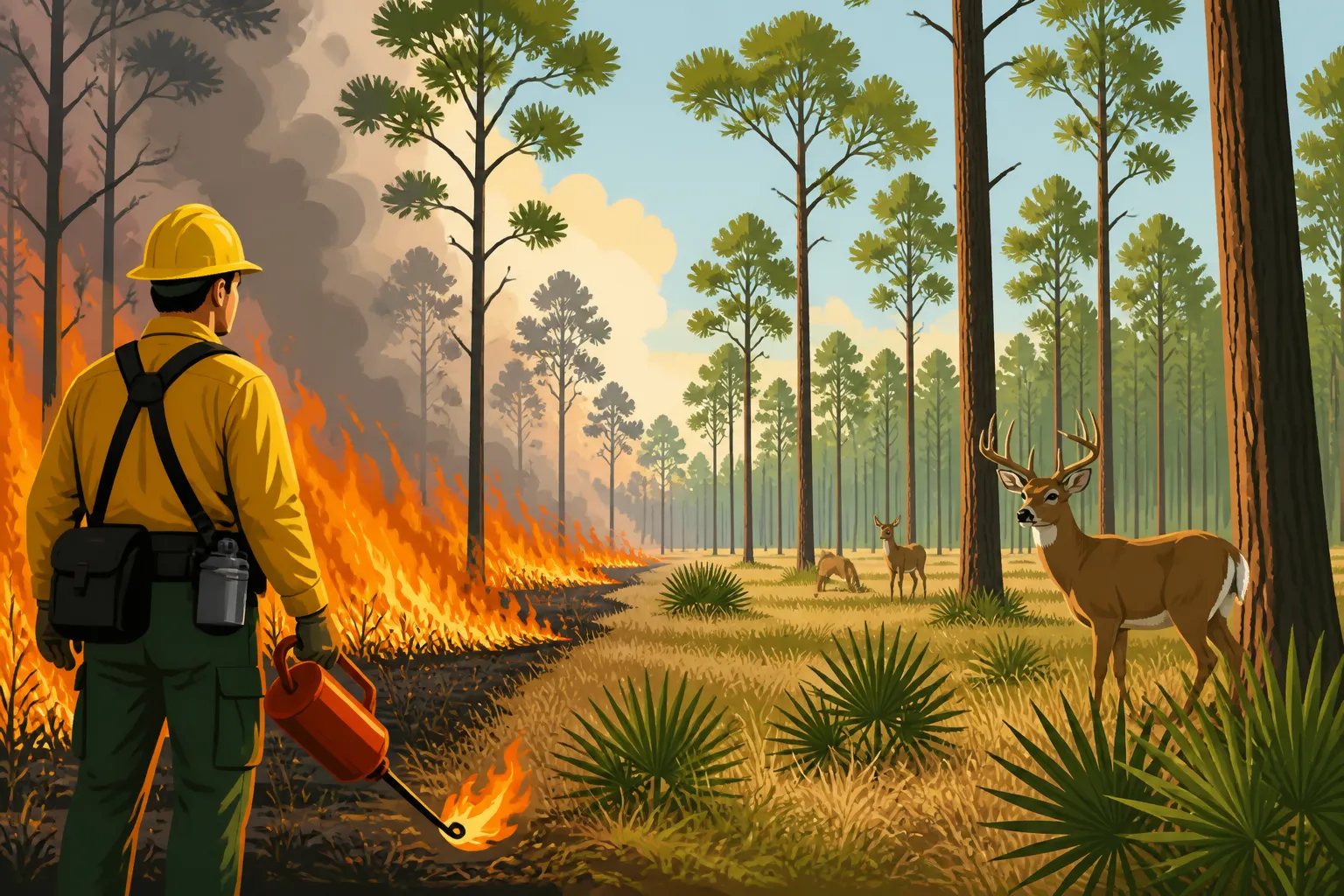
Long before humans consciously managed forests with fire, lightning strikes regularly ignited wildfires across the vast expanses of longleaf pine that once covered much of the southeastern United States, including Georgia. These natural fires, often low-intensity ground fires, would sweep through the understory, clearing out competing vegetation without significantly harming the mature, fire-resistant longleaf pines. The pines themselves evolved alongside these frequent fires, developing thick bark to protect their cambium, and a unique "grass stage" in their sapling phase that protects the tender growth bud from flames. It's a truly remarkable adaptation that speaks to how integral fire is to their life cycle.
For centuries, indigenous peoples also practiced burning to manage landscapes, cultivate certain plants, and facilitate hunting, further cementing fire's role. It wasn't until modern forestry practices, influenced by Western European ideals of fire suppression, took hold in the 20th century that this natural fire regime was largely interrupted. The consequences of this suppression, ironically, led to less healthy, more vulnerable forests.
Restoring a Critically Important Habitat
The suppression of fire caused significant ecological problems in what remained of Georgia's longleaf pine forests. Without frequent, low-intensity burns, hardwoods and dense understory vegetation, like gallberry and titi, began to encroach, outcompeting longleaf pine seedlings for light and nutrients. This dramatically altered the open, park-like structure that is characteristic of a healthy longleaf forest, reducing biodiversity and creating a buildup of fuel that made future wildfires far more intense and damaging.
Today, there's a concerted effort to restore these vital ecosystems, and prescribed fire is at the heart of it. These restoration efforts are not just about the trees; they're about bringing back a whole suite of species that depend on this unique habitat. Critically endangered species like the Gopher Tortoise, which digs burrows that provide shelter for hundreds of other species, rely on the open understory created by fire. Various songbirds, reptiles, and amphibians also thrive in these fire-maintained environments. For hunters, this means creating and maintaining habitat for game species, directly impacting populations of deer, turkey, and especially Bobwhite Quail in Georgia.
Ecological Benefits of Prescribed Burning for Wildlife and Habitat
Prescribed burning is a sophisticated land management tool, far more nuanced than simply "setting the woods on fire." When executed correctly, these burns provide a cascade of ecological benefits that directly contribute to healthier forests and more robust wildlife populations, which in turn, means better hunting for us.
Enhancing Forage and Cover for Game Species
One of the most immediate and tangible benefits of prescribed fire, from a hunter's perspective, is the drastic improvement in food and cover for game. When a low-intensity fire sweeps through the understory, it clears out dense, woody vegetation that offers little nutritional value to deer, rabbits, or even wild turkeys. This isn't about destroying food; it's about making way for better food.
Shortly after a burn, the forest floor often undergoes a remarkable transformation. Sunlight, now reaching the soil, encourages the growth of tender, nutritious forbs and grasses. These fresh shoots are packed with protein and minerals, acting as a natural buffet for deer, rabbits, and other herbivores. Deer will actively seek out these newly sprouted plants, creating prime feeding areas. For turkeys, the more open understory makes it easier to forage for insects and seeds. In areas where you might find Where South Georgia Pine Flat Bucks Bed, a burn can stimulate new growth that draws them out of hiding. This rejuvenation of forage is a powerful attractant for game, making these areas highly productive within weeks or months of a burn.
Furthermore, fire creates a mosaic of habitats. While some areas are intensely burned, others might be lightly scorched, or even untouched, due to variations in fuel, topography, or moisture. This patchwork creates diverse cover: thickets for bedding and escape, and open areas for feeding and travel. This diversity is crucial for supporting a healthy and abundant wildlife population.
Disease and Parasite Control
Another often-overlooked benefit of prescribed burning is its role in disease and parasite control. Dense, overgrown understories, especially in humid Georgia, can be breeding grounds for ticks and other parasites. The heat from a prescribed burn, even a low-intensity one, can significantly reduce tick populations by directly killing them or destroying the leaf litter and low vegetation they inhabit. This reduction in parasites can contribute to healthier deer herds, as heavy tick loads can lead to stress, disease transmission, and reduced vigor in individual animals.
By breaking up dense vegetation, burns also create a more open environment, which can help reduce the spread of certain diseases among wildlife. Animals are less concentrated in impenetrable thickets, and improved air circulation can help reduce humidity, potentially impacting fungal or bacterial issues that thrive in damp, stagnant conditions. It's not a complete eradication, of course, but it's an important management tool in the overall health of a wildlife population.
Managing Fuel Loads and Preventing Catastrophic Wildfires
Perhaps the most critical reason foresters burn longleaf pine is to manage fuel loads. Without regular, low-intensity fires, dead leaves, pine needles, fallen branches, and dense understory vegetation accumulate on the forest floor. This buildup acts like kindling, and if an uncontrolled wildfire were to ignite in such conditions, it would burn with extreme intensity, climbing into the tree crowns and becoming a catastrophic event. These "bad fires" are incredibly destructive, killing mature trees, incinerating wildlife, and posing serious threats to nearby communities and infrastructure.
Prescribed fires, or "good fires," are strategically set under carefully controlled conditions (right wind, humidity, temperature, fuel moisture) to consume this accumulated fuel. By regularly reducing the fuel load, foresters ensure that when natural or accidental ignitions occur, the resulting fire is far less severe. This protects the valuable timber resources, preserves the longleaf pine ecosystem, and safeguards the homes and lives of Georgians living near forested areas. It’s a proactive measure that saves much more than it consumes, ultimately ensuring the long-term health and stability of these hunting grounds. These measures often mean Prescribed Burns and Georgia Hunting Closures are necessary, but for a good reason.
How Prescribed Burns Impact Hunting in Georgia
While the ecological benefits of prescribed fire are clear to land managers, hunters often focus on the immediate effects on their pursuit of game. It's true that a fresh burn can temporarily change a familiar landscape, but understanding the long-term and even short-term hunting advantages is crucial for successful outings in fire-managed areas.
Short-Term Disruptions and Long-Term Gains
Initially, walking into a recently burned area can feel disheartening. Game animals, particularly deer and turkeys, may temporarily shift out of the immediate burn zone during the fire and for a few days afterward. This is a natural instinct to avoid smoke and direct heat. However, this disruption is typically very short-lived. Wildlife, especially whitetail deer, are incredibly resilient and quickly adapt to changes in their environment, particularly when those changes lead to new food sources.
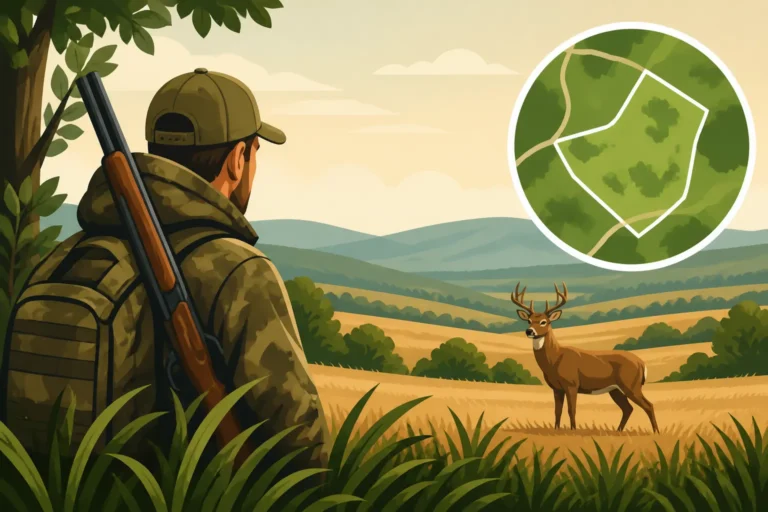
Within weeks, and sometimes even days, after a fire, the ground begins to green up. New, tender vegetation, rich in nutrients, emerges from the ashes. This fresh browse acts like a powerful magnet, drawing deer back into the burned area to feed. Turkeys will also return to scratch for insects and seeds now more visible on the cleared forest floor. The increased visibility in the woods after a burn can also be a significant advantage for hunters. You might be able to see farther through the understory, spot game at greater distances, and identify travel corridors more easily. If you use a mapping tool like onX Hunt, you can often see recent burn perimeters marked, allowing you to plan your hunt around these newly productive zones.
Prime Opportunities for Quail and Deer Hunters
For Bobwhite Quail in Georgia, prescribed fire is nothing short of essential. These birds thrive in open pine savannas with a diverse understory of grasses and forbs, precisely the habitat created and maintained by fire. The burns clear out dense, impenetrable brush, allowing quail to move freely, forage for seeds and insects, and evade predators more effectively. The new growth also provides crucial insect protein for growing chicks. For those keen on Working a South Georgia Quail Covey Rise, a recently burned area within the last year or two often represents prime habitat, making it easier for pointing dogs to work and for hunters to navigate.
Deer also benefit tremendously. As mentioned, the flush of new, nutritious forage after a burn is a major draw. Beyond food, the mosaic habitat created by fire provides excellent bedding cover in unburned pockets adjacent to feeding areas, along with clear travel lanes through the more open parts of the burn. For hunters targeting Hunting Longleaf Pine Savanna for Deer, finding these transition zones – where burned meets unburned – can be incredibly productive. Bucks in particular will often use the edges of these newly opened areas for both feeding and moving between bedding and secure cover.
Scouting and Strategy Around Burned Areas
Successful hunting in fire-managed landscapes requires a slightly different scouting and hunting strategy. Instead of looking for dense, untouched cover, you'll be focusing on the dynamic changes brought about by fire. Post-burn scouting is critical. Look for fresh deer tracks, rub lines, and droppings indicating where animals are returning to feed on the new growth. Observe which plants are sprouting and which areas are seeing the most feeding activity.
Pay close attention to the edges of burned areas. These transition zones, where the newly rejuvenated ground meets unburned timber or thickets, are often hotspots. Deer will feel secure in the unburned cover but venture into the burned areas for the improved forage. Setting up a stand or ground blind along these edges can be a highly effective tactic. Using mapping applications like GoHunt can help you identify property boundaries and different timber types, allowing you to predict how game might move through and around burned blocks on public land or adjacent private tracts. Remember to check regulations as Prescribed Burns and Georgia Hunting Closures can occur, so always be aware of active burn schedules and access restrictions.
Planning Your Hunt Around Prescribed Fire
Integrating an understanding of prescribed fire into your hunting strategy can significantly improve your success in Georgia's longleaf pine regions. It's about thinking ahead, adapting your approach, and respecting the land management practices that benefit wildlife in the long run.
Understanding Burn Schedules and Notifications
The first step in planning is knowing when and where burns are happening. State agencies like the Georgia Department of Natural Resources (DNR) and the U.S. Forest Service often announce prescribed burn schedules, sometimes with maps of planned burn units. These notifications are critical not only for safety – you don't want to be in the woods during an active burn – but also for strategic planning. Knowing that an area is slated to burn allows you to anticipate where new forage will emerge and where game might concentrate in the coming weeks or months.
Always check local regulations for specific Wildlife Management Areas (WMAs) or National Forest lands you plan to hunt. Some areas might have temporary closures during and immediately after a burn. Respecting these closures is paramount for your safety and the safety of the crews conducting the burn. You can often find this information on the Georgia DNR website or by contacting the local forest service office. Tools like GoHunt or onX Hunt can also sometimes overlay public land boundaries and even identify recent burn activity, which is invaluable for pre-season scouting.
Post-Burn Scouting and Adaptation
Once an area has been burned, the real work for the savvy hunter begins. Post-burn scouting is essential to understanding how the fire has affected the landscape and how wildlife are responding. Don't just look at the burned area; look through it. The increased visibility can reveal subtle terrain features, old logging roads, or small food plots that were previously hidden by dense undergrowth. These features can now become key travel corridors or ambush points.
Table: Burned vs. Unburned Longleaf Pine Habitat for Hunters
| Feature | Recently Burned Longleaf Habitat | Unburned (Overgrown) Longleaf Habitat |
|---|---|---|
| Visibility for Hunter | Significantly increased; easier to spot game | Limited; dense understory obstructs views |
| Forage Availability | New, highly nutritious sprouts post-burn (high quality) | Mature, less palatable browse; dense, low nutrition |
| Game Animal Movement | Often draws deer and turkeys for new forage; easier travel | Difficult movement; game may move to find open lanes |
| Cover | Mosaic of open areas and unburned pockets | Uniformly dense, can be impenetrable |
| Scouting Ease | Easier to identify sign, tracks, and terrain features | Challenging due to dense vegetation |
| Tick/Pest Pressure | Reduced due to fire | Potentially higher |
When you're out scouting, look for where the fire stopped or was less intense. These "skips" or unburned islands within a burned area can become critical bedding or staging areas. Deer will often bed in these spots, feeling secure, and then venture out into the newly greened-up areas to feed. Look for distinct edges where the burned area meets a different habitat type, such as a creek bottom, a clear-cut, or an agricultural field. These interfaces are natural funnels for game movement. For example, knowing Reading a Ridge for North Georgia Deer can be easily applied to identifying travel corridors on edges of burned-out sections within a larger ridge system.
The Hunter's Role in a Fire-Managed Landscape
As hunters, we have a unique perspective on habitat and wildlife. By understanding and supporting prescribed fire, we become better stewards of the land. We recognize that what might look temporarily unappealing is actually a vital step in maintaining healthy, productive ecosystems that support the game we pursue.
Your role involves not only understanding why these burns occur but also adapting your hunting strategies to leverage the benefits. It means being patient after a burn, knowing that the forest will quickly regenerate with renewed vigor. It means spending time scouting these areas, using tools like onX Hunt or GoHunt to analyze the landscape before and after a burn, and understanding that the initial disruption is a small price to pay for the long-term health and abundance of Georgia's wildlife. Embracing prescribed fire as a beneficial management practice ensures that future generations of hunters will also have rich, diverse, and productive landscapes to explore.
Disclaimer
This article is for general informational purposes only and does not constitute professional advice. Laws, prices and regulations vary by location and change over time. Consult a qualified professional for guidance on your specific situation.