Savannah River Site Public Hunting Rules
Hunting unique public lands can feel like navigating a maze blindfolded, especially when those lands have a specific history and federal oversight, like the Savannah River Site. It's frustrating to hear about these incredible opportunities but then struggle to find clear, concise information on how to actually get your boots on the ground. This guide is here to untangle the complexities of public hunting rules for the Savannah River Site, walking you through the application process, the specific regulations you'll encounter, and practical advice to maximize your chances of success in this truly special part of Georgia.
Understanding the Savannah River Site as a Hunting Opportunity
The Savannah River Site (SRS) isn't your typical Georgia public hunting land. It's a vast, federally managed area with a fascinating history, and that unique status comes with a distinct set of rules and an unparalleled hunting experience. If you've ever felt overwhelmed trying to figure out how to access such a place, you're not alone. It's a departure from simply rolling up to a Wildlife Management Area (WMA) with your license in hand, but the rewards can be significant for those willing to do their homework.
What Makes the Savannah River Site Unique?
The Savannah River Site has a long and complex history, originally established by the federal government for nuclear material production. Over decades, this vast, controlled area—spanning hundreds of thousands of acres—became an unintentional sanctuary for wildlife. Unlike many state-managed WMAs that see consistent, widespread hunting pressure throughout a regular season, the SRS has largely remained undisturbed by widespread human activity for extended periods. This has allowed populations of deer, turkey, and other game to thrive, often reaching impressive densities and age structures. Its federal management by the Department of Energy (DOE), in cooperation with state wildlife agencies like the Georgia Department of Natural Resources (DNR), means that conservation and security are paramount, shaping every aspect of the hunting program. This isn't just a place to hunt; it's an opportunity to experience a unique ecosystem that has largely been protected from modern development. You're not just dealing with state game laws; you're operating under federal guidelines as well, which can certainly add a layer of complexity for the uninitiated hunter.
General Overview of Hunting Programs
Given its unique status and federal oversight, hunting on the Savannah River Site isn't a walk-in affair. Instead, it's structured around tightly controlled, quota-based hunts. This means that access is limited to a select number of hunters who are drawn through an application process. These programs are meticulously managed through a partnership between federal agencies and state wildlife departments in both Georgia and South Carolina, as the site spans both states. The primary goal is to manage wildlife populations sustainably while ensuring safety and security on an active federal facility. For hunters, this translates into a much different experience than what you might find on typical public lands. Instead of open seasons, you'll be looking at specific hunt dates, designated areas, and often guided or highly monitored hunting opportunities. The restricted access also means that the game populations often exhibit less pressure and can offer a truly exceptional outdoor experience. While it requires more planning and a bit of luck in the draw, the quality of the hunt can be well worth the effort.
Navigating the Application and Permit Process
Getting to hunt the Savannah River Site (SRS) isn't as simple as picking up a general hunting license and heading out. It requires navigating a specific application and permit process that can feel a bit daunting at first. But trust me, with a little preparation and understanding of the system, you can significantly improve your chances of experiencing this unique hunting opportunity. It’s a competitive process, but knowing the steps is half the battle.
The Quota Hunt System
The Savannah River Site operates on a quota hunt system, which means there are a limited number of slots available for each hunt period, and hunters must apply to be considered. This system is designed to control hunter density, manage game populations effectively, and maintain security on the federal property. You won't find open seasons here where anyone can show up. Instead, interested hunters submit an application, usually online, during a specified window. These applications are then entered into a lottery or drawing, and successful applicants are notified. The competitiveness of these hunts can vary depending on the species and the time of year, but you should always expect a good number of applicants for the limited spots. For many, finding information on these specific quota hunts can be challenging, but resources like GoHunt can sometimes provide insights into available opportunities or application periods for various specialized hunts across different states, including those like the SRS. Remember, missing an application deadline means missing the opportunity entirely, so mark your calendar!
Essential Permits and Fees
Beyond your standard Georgia hunting license, you will undoubtedly need additional permits and potentially pay specific fees to hunt the Savannah River Site. This is a federal facility, and its unique management requires special site-specific permits. Typically, once you are successfully drawn for a quota hunt, you will be directed to complete further paperwork, which might include an additional SRS hunting permit, an access permit, and possibly undergoing a background check due to the nature of the facility. Don't be surprised if there's a nominal fee associated with these permits, which helps cover the administrative costs of managing such a complex hunting program. It's crucial to check the official SRS hunting program website directly for the most current information on required permits, associated costs, and acceptable payment methods. Always assume that your regular state hunting license is just the first step; there will almost certainly be more specific site-level requirements. Make sure you also understand Georgia Hunting Licenses and What They Cost so you have your base covered.
Preparing for the Application
The key to successfully navigating the SRS hunting application process lies in thorough preparation. Before the application window even opens, you should familiarize yourself with the requirements for the specific hunt you're interested in. This often includes reading the hunt instructions, rules, and regulations documents published by the SRS or cooperating wildlife agencies. They will outline everything from eligible species and hunt dates to necessary documentation. Have all your personal identification details, including your Georgia hunting license number, readily available. Some federal sites might even require specific hunter education certifications or safety course completions that go beyond standard state requirements, especially if it involves firearms. Make sure to review Georgia Hunter Education Requirements to ensure you meet state minimums, then double-check if the SRS has additional stipulations. Taking the time to gather all necessary information and complete any prerequisites beforehand will prevent last-minute scrambling and ensure your application is complete and error-free, giving you the best chance in the lottery draw.
Specific Hunting Rules and Regulations on the SRS
Hunting on the Savannah River Site isn't just about getting drawn for a permit; it's about understanding and strictly adhering to a unique set of rules and regulations that govern every aspect of your hunt. Because of its federal status and the specific management objectives, many of these rules will differ significantly from what you might be accustomed to on typical Georgia public lands. Misunderstanding or ignoring these regulations can lead to serious consequences, so paying close attention to the details is absolutely paramount.
Permitted Species and Season Dates
While the Savannah River Site is rich in wildlife, the hunting programs typically focus on a few key species, primarily white-tailed deer. Depending on the year and management goals, there might also be limited opportunities for wild turkey or other small game. The crucial point here is that the season dates and bag limits for these species on the SRS are entirely site-specific. They do not necessarily align with the statewide Georgia deer or turkey seasons. For instance, deer hunts might be archery-only for certain periods, followed by primitive weapons or firearms, with very specific dates that are often much shorter than state seasons. The number of deer you can harvest (bag limit) might also be different, potentially more restrictive or, in some cases, focused on antlerless harvest to manage the herd. Always refer to the specific hunt rules you receive upon being drawn. Do not assume your knowledge of Georgia Deer Season Structure Explained or Georgia Spring Turkey Season Rules applies directly to the SRS; these will only serve as a general framework.
Here's a generalized overview of what you might expect for game species and season considerations on the SRS. Please remember, exact dates, bag limits, and specific regulations always supersede this general information and must be obtained from the official SRS hunt program literature.
| Game Species | Typical Hunt Type | Season Length Consideration | Bag Limit Consideration | Special Notes |
|---|---|---|---|---|
| White-tailed Deer | Archery, Primitive Weapons, Firearms | Very limited, specific dates | Site-specific, often antlerless focus | Strict check-in/out, often mandatory harvest reporting |
| Wild Turkey | Shotgun, Archery | Extremely limited, short weekends | Very restrictive, e.g., one bird | Not offered every year, highly coveted hunts |
| Feral Hog | Often incidental to deer hunts | Year-round, but only during specific hunts | No limit (often) | Strict rules on methods, may require specific permit |
Firearms, Ammunition, and Prohibited Gear
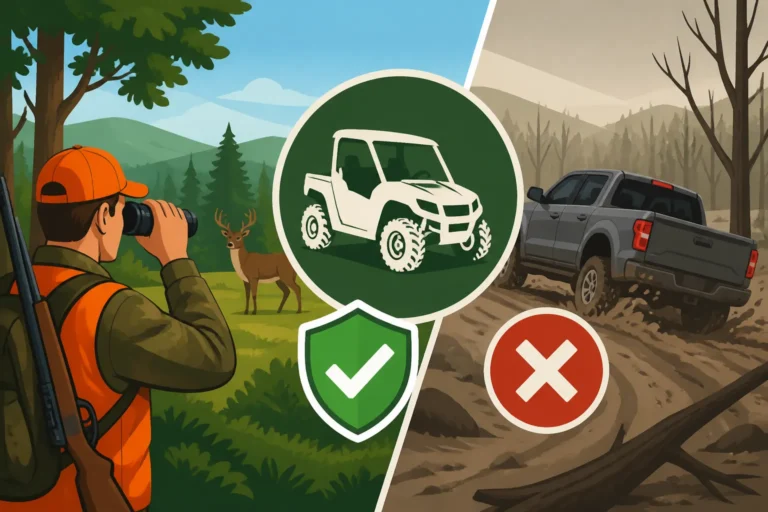
Federal facilities, especially those with a sensitive history like the SRS, often have stringent rules regarding firearms and ammunition. It's common for there to be specific restrictions on rifle calibers, shotgun gauges, and even the type of ammunition (e.g., lead vs. non-lead). For instance, certain high-powered rifle calibers might be prohibited, or there could be a requirement for solid copper or other non-lead projectiles. Handguns might be restricted, or specific rules applied to their carry. Beyond weapons, pay close attention to rules about other hunting gear. Items like ATVs or UTVs are typically prohibited, and vehicles are often restricted to paved roads or designated parking areas. The use of trail cameras is also a common point of regulation on federal lands; always check the specific rules regarding Trail Camera Rules on Georgia Public Land and compare them to SRS policies, as federal rules tend to be even stricter. Fixed-position treestands or ground blinds might be restricted or require specific permits and tags. It’s absolutely critical to read every line of the regulations to ensure your gear complies fully.
Access, Boundaries, and Safety Protocols
Access to the Savannah River Site for hunting is highly controlled. You will not be able to just drive in and set up. There will be designated entry points, mandatory check-in procedures, and specific times for entering and exiting the hunt areas. These protocols are in place for both your safety and the security of the facility. It is imperative that you stay within your assigned hunt boundaries and any marked pathways or roads. Straying outside these areas can lead to immediate expulsion from the site and potential legal repercussions. Given the site's history, there may be areas that are completely off-limits due to environmental or security reasons, and these will be clearly marked. Expect mandatory safety briefings before your hunt begins, covering everything from firearm safety to emergency procedures. Federal personnel and security will be present, and it's important to understand that they have the authority to enforce all rules and regulations. Always follow their instructions promptly and respectfully. Using mapping tools like onX Hunt can be incredibly helpful for understanding the general layout of the property, identifying potential entry points, and most importantly, helping you stay within your designated hunt area boundaries once you're on site. This can be a huge advantage when navigating unfamiliar terrain. When considering Hunting Pressure on Georgia Public Land, you'll find the SRS offers a far more controlled and often less pressured environment precisely because of these strict access rules.
Practical Considerations for Hunting the Savannah River Site
Getting a permit for the Savannah River Site is a huge achievement, but the work isn't over yet. To truly make the most of this unique opportunity, you need to consider practical aspects that go beyond just the rules. From pre-hunt preparation to knowing what to do after the shot, thinking ahead will make your SRS hunting experience smoother and more successful.
Pre-Hunt Scouting and Preparation
Physical scouting on the Savannah River Site is often highly restricted or completely prohibited outside of designated hunt days, which can be a real challenge for hunters used to boots-on-the-ground reconnaissance. This means you need to get creative with your pre-hunt preparation. Start with extensive digital scouting using satellite imagery and topographic maps. Tools like onX Hunt are invaluable for this, allowing you to study terrain features, identify potential pinch points, locate water sources, and discern vegetation changes that might indicate prime game habitat. Look for historical aerial photos if available, which can reveal old logging roads, clear-cuts, or field edges that might still influence game movement. Consider any available online resources or historical hunt reports that might give clues about past success areas or typical game behavior on the site. Understanding Reading Aerial Photos for Piedmont Deer can certainly provide a foundational approach, even if the specific terrain differs. Remember, in lieu of physical scouting, your digital reconnaissance becomes your most potent weapon. Identify likely bedding areas, feeding zones, and the travel corridors that connect them.
What to Expect on Hunt Day
Hunting on the Savannah River Site is a highly organized and structured affair. Unlike many public lands where you simply show up and start hunting, expect a controlled check-in process on your hunt day. This might involve reporting to a specific station, showing your permits and ID, and potentially attending a final safety briefing. Federal law enforcement or site security personnel will likely be present, emphasizing the serious nature of operating on the facility. The terrain itself can be varied, ranging from dense pine plantations to mixed hardwoods, swamps, and open fields, so be prepared for diverse conditions. Depending on the specific hunt, you might be assigned to a designated compartment or area, and you'll be expected to stay within those boundaries. Communication protocols will be in place, often requiring hunters to check out at the end of the day, even if no game was harvested. The atmosphere is generally one of professionalism and adherence to rules, which contributes to the safety and quality of the hunt.
Post-Harvest Procedures and Reporting
Successfully harvesting an animal on the Savannah River Site comes with its own set of specific post-harvest procedures. Do not assume you can simply tag your animal and leave, as you might on other Georgia lands. There will almost certainly be a mandatory check-out process, which often includes bringing your harvested animal to a designated weigh station or check station. Here, your animal will be officially logged, and data might be collected (e.g., weight, antler measurements, age assessment). This is critical for the site's wildlife management programs. You may also need to report your harvest to the state of Georgia, typically through the Reporting a Deer Through Georgia Game Check system, in addition to any SRS-specific requirements.
Furthermore, given the increasing concern over Chronic Wasting Disease (CWD) in Georgia, especially in the state's designated Georgia's Chronic Wasting Disease Management Area, it is absolutely crucial to be aware of any carcass movement restrictions the SRS might impose. Even if the SRS itself is not within a CWD management zone, they might have specific rules about what parts of an animal can leave the property to prevent potential disease spread. Always confirm these rules before you ever hoist an animal into your truck. This level of detail in post-harvest procedures is another example of how hunting the Savannah River Site demands careful attention to specific regulations that go above and beyond typical state hunting norms.
Disclaimer
This article is for general informational purposes only and does not constitute professional advice. Laws, prices and regulations vary by location and change over time. Consult a qualified professional for guidance on your specific situation.