Why Okefenokee Bear Hunts Run on Weekends
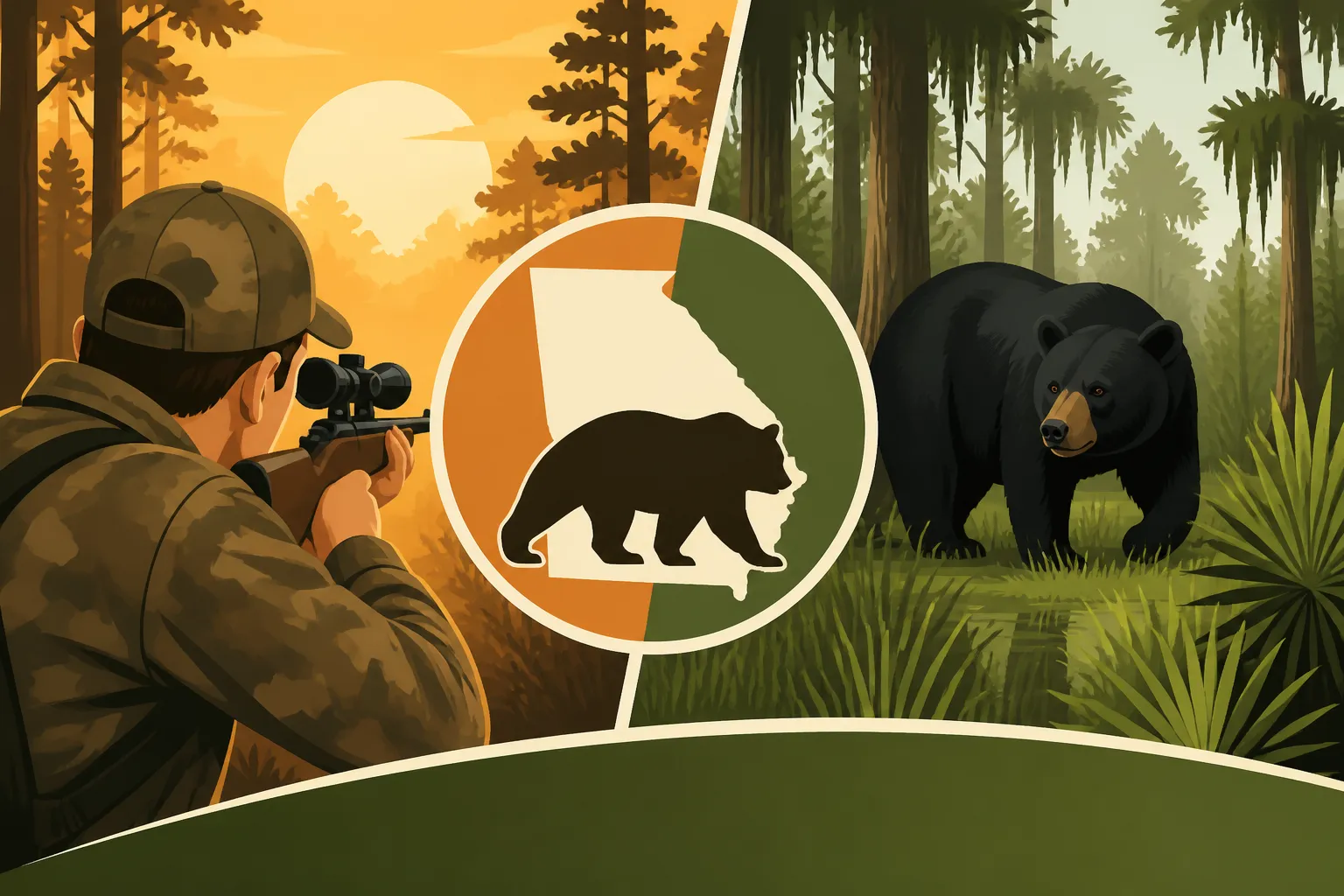
For many Georgia hunters, the Okefenokee Swamp is a place of mystique and wonder, a vast wilderness unlike anywhere else in the state. However, the specific rules for bear hunting in this unique region, particularly the fact that hunts are typically restricted to weekends, can leave hunters scratching their heads, wondering about the reasons behind such a limited schedule. This guide will dive deep into the specific ecological and management considerations that shape these weekend-only bear hunts, offering insights and practical advice for those fortunate enough to draw a tag.
The Okefenokee's Unique Ecosystem and Management Philosophy
The Okefenokee National Wildlife Refuge is a true jewel of Georgia, a sprawling mosaic of cypress swamps, wet prairies, and pine uplands that harbors an incredible diversity of wildlife. It's an ecosystem of national importance, and its management reflects a primary commitment to conservation and preservation. This isn't your typical public hunting ground; it's a federally managed refuge, and that distinction fundamentally influences how hunting opportunities are structured.
Balancing Conservation and Recreation
At its core, the U.S. Fish and Wildlife Service, which manages the Okefenokee, operates under a mandate to conserve wildlife and their habitats. While hunting, fishing, and other forms of wildlife-dependent recreation are often permitted, they are always secondary to the refuge's primary conservation mission. This means that any activity, including bear hunting, must be carefully planned to minimize disturbance to the ecosystem, protect sensitive species, and maintain the wild character of the area. The sheer scale and primitive nature of the Okefenokee also present unique logistical challenges, from limited access points to the difficulty of monitoring hunter activity across hundreds of thousands of acres.
Imagine trying to manage hunter impact in a place where most travel is by small boat, and vast sections are nearly impenetrable. The balance between allowing public access and protecting the delicate environment is a constant negotiation. This consideration is a key factor in how hunting seasons, particularly for a large, wide-ranging animal like a bear, are designed. The management aims to provide meaningful hunting opportunities while ensuring the long-term health of the ecosystem and its inhabitants.
The Federal Refuge System and Hunting
Unlike state-managed Wildlife Management Areas (WMAs), federal refuges often have stricter rules and more limited access. The Okefenokee, being a National Wildlife Refuge, has a different set of priorities that influence hunting schedules. The purpose is to offer specific, high-quality hunting experiences while maintaining minimal impact on the refuge's core mission. This often translates into quota hunts, limited access permits, and shorter seasons to control hunter density and disturbance.
Think about it this way: if hunting were allowed continuously for weeks on end, the cumulative impact on the wildlife and the fragile swamp environment could be substantial. Restricting hunts to specific weekends allows management to concentrate hunter activity, monitor it more effectively, and then provide periods of respite for the wildlife. It's a calculated decision to ensure that the Okefenokee remains wild for generations to come, while still allowing a controlled number of hunters to experience this extraordinary place. This controlled access strategy is similar to what you might find when Applying for an Alligator Quota Permit in other parts of Georgia.
The "Why" Behind Weekend-Only Bear Hunts
The decision to limit bear hunts in the Okefenokee to specific weekends isn't arbitrary; it's a deliberate strategy rooted in a combination of ecological, logistical, and social factors. Understanding these helps hunters appreciate the unique opportunity and the challenges involved.
Minimizing Ecological Disturbance
The Okefenokee Swamp is home to not only a healthy black bear population but also numerous other species, some of which are sensitive to human disturbance. Long hunting seasons or continuous access could disrupt breeding cycles, feeding patterns, or migration routes of various wildlife. By concentrating hunting effort into short, defined weekend windows, managers can minimize the overall footprint of human activity. This allows the vast majority of the week for the ecosystem to operate undisturbed.
Consider the immense biodiversity found within the refuge. Beyond bears, you have wading birds, various reptiles, and small mammals all trying to survive. Excessive human presence, even with good intentions, can put undue stress on these populations. The weekend structure allows for a surge of human activity, followed by several days of quiet, helping to maintain the natural rhythm of the swamp. It's a pragmatic approach to sustain both the bear population and the entire web of life within the Okefenokee. For more on the bear population in this region, check out Hunting the Altamaha and Okefenokee Bear Zone.
Managing Hunter Pressure and Access
The Okefenokee, by its very nature, has limited access points, and much of its interior is only navigable by small boat or on foot through incredibly challenging terrain. Trying to manage a continuous hunting season across such a landscape would be an administrative nightmare. Weekend hunts concentrate hunter demand into manageable periods, allowing refuge staff to focus resources on specific days for check-in, orientation, and monitoring. This includes enforcing rules around specific equipment, ensuring safety, and processing harvested animals, which often involves mandatory checking. For instance, understanding Georgia Bear Checking Requirements is critical before you head out.
The goal isn't just to control the number of hunters, but also when they are there. This ensures that the infrastructure, limited as it is, can support the activity without being overwhelmed. It also helps mitigate potential conflicts between different user groups who might want to experience the refuge for birdwatching, photography, or paddling during weekdays. By carving out specific windows for hunting, the refuge can better accommodate a broader range of public uses throughout the year. For a comparison, it's interesting to note that Why the Ocmulgee Bear Season Runs Days Not Weeks similarly points to the unique management needs of smaller, more localized bear populations.
Public Safety and Resource Allocation
In a remote and challenging environment like the Okefenokee, public safety is paramount. Concentrating hunts to weekends allows for a more focused deployment of law enforcement and emergency response resources. Should a hunter become lost or injured in the vast swamp, having defined periods of concentrated activity can make search and rescue efforts more efficient. This is especially true given the difficulty of communication and travel within the refuge.
Furthermore, managing a bear hunt requires significant resources, from opening gates and boat launches to staffing check stations and providing informational briefings. By scheduling these hunts for weekends, the refuge can optimize staff allocation and ensure that personnel are available when hunter numbers are highest. It's a cost-effective and safety-conscious approach to managing a high-stakes hunting opportunity in a truly wild place.
Planning Your Okefenokee Weekend Bear Hunt
Drawing an Okefenokee bear tag is a coveted opportunity, and with the limited weekend schedule, meticulous planning becomes even more crucial. You're not just planning a hunt; you're planning an intense, focused expedition into a formidable wilderness.
Pre-Season Scouting and Intel Gathering
While direct physical scouting of the Okefenokee can be incredibly challenging due to its vastness, terrain, and access restrictions, it's not impossible to gather vital intelligence. Aerial photos, topographic maps, and satellite imagery are your best friends. Tools like onX Hunt can be invaluable here, allowing you to study potential travel corridors, bedding areas (often slightly higher ground), and water sources from a bird's-eye view. Look for subtle changes in elevation, islands of pines, or dense palmetto thickets that could offer sanctuary.
You'll need to research specific access points and understand how far you can travel by boat or foot. Remember, this is swamp hunting, meaning travel will be slow and arduous. Identifying pinch points where bears might move between different habitat types is key. Even if you can't put boots on the ground, studying historical harvest data (if available), understanding bear behavior in the region, and even talking to refuge staff can provide critical insights. Every bit of information helps you refine your strategy for those precious weekend hours. Knowing what Georgia Bear Denning Behavior looks like in the Okefenokee can also inform where bears might feel secure.
Gear and Logistics for a Short Hunt
Because the hunt is weekend-only, you need to be incredibly efficient with your gear and logistics. Every item must serve a purpose, and you need to be prepared for rapid changes in weather, challenging terrain, and the possibility of a successful harvest.
Here's a breakdown of essential considerations:
- Transportation: A reliable small boat (jon boat, canoe, or kayak) is often necessary for navigating the waterways. Ensure it's in top condition and you have a contingency plan for breakdowns.
- Navigation: GPS devices or reliable mapping apps like onX Hunt are non-negotiable. The swamp can be disorienting, and getting lost is a serious risk. Always have a backup, like a compass and physical map.
- Protection: Snake boots are a must. Insect repellent (and perhaps a head net) will be your best friend, especially during warmer hunt dates. Rain gear is also essential; pop-up thunderstorms are common.
- Harvest Management: If you're successful, handling a large bear in warm, humid conditions requires speed and efficiency. Have a plan for quartering, packing out, and cooling the meat. Large game bags, a sturdy pack frame, and plenty of ice are crucial. Think about how you would approach Handling a Bear After the Shot in such a remote setting.
- Safety: A comprehensive first-aid kit, signaling devices (whistle, mirror), and a fully charged satellite communication device (like a Garmin inReach or similar) for emergencies are highly recommended. Cell service is often non-existent.
The Permit Application Process
Okefenokee bear hunts are typically quota hunts, meaning a limited number of permits are issued through a lottery system. This means your first hurdle is drawing a tag. The application windows and specific rules can vary, so it's critical to stay informed. Resources like the official Georgia Wildlife Resources Division website are the most accurate, but general hunting information platforms, such as GoHunt, can sometimes offer good overviews of application processes and key dates for various states, which might spark ideas for your specific research.
Understanding the application process, preference points (if applicable), and specific hunt dates is paramount. Missing a deadline means missing your chance entirely. If you're serious about hunting the Okefenokee, make it a point to mark these dates on your calendar well in advance and prepare your application meticulously.
Maximizing Your Weekend Opportunity in the Swamp
With only a few days to hunt, every minute counts in the Okefenokee. It's not a hunt for the faint of heart or the unprepared. Success hinges on intense focus, efficient movement, and a deep understanding of bear behavior in this unique habitat.
Aggressive and Efficient Hunting Tactics
Given the limited time, a passive approach is unlikely to yield results. You need to be aggressive and efficient. This might mean covering a lot of ground quickly, focusing on areas identified during your pre-hunt scouting as high-potential bear travel corridors. Bears in the Okefenokee are often on the move, especially if natural food sources are abundant. Look for fresh tracks, scat, and disturbed vegetation.
If still-hunting or spot-and-stalk is your method, move slowly, use the wind, and rely heavily on your eyes and ears. The dense cover can make visibility challenging, so focus on small openings and listen for the sounds of a large animal moving through the palmettos or water. Remember, bears can be incredibly elusive. For those used to Spot-and-Stalk Tactics for Ocmulgee Bears, some principles may transfer, but the terrain will be vastly different.
Leveraging Short Days and Limited Time
The sun rises and sets quickly, and you'll want to maximize legal hunting light. This often means being in your chosen location well before dawn and staying until the last legal minute. If you're boating in, factor in travel time in the dark to avoid wasting prime hunting hours. The short duration of the hunt also means you must be decisive. If a location isn't producing sign, be prepared to move and try a new area quickly.
Weekend Hunt Logistics Checklist
| Item / Action | Pre-Hunt (Weeks Out) | Pre-Hunt (Days Out) | During Hunt (Each Day) | Post-Hunt |
|---|---|---|---|---|
| Permit/License | Apply for quota hunt, obtain licenses. | Verify all tags and permits are printed/digital. | Carry all required documents. | Report harvest per regulations. |
| Scouting/Intel | Study maps (onX Hunt), aerials, historical data. | Review target areas, ingress/egress routes. | Confirm wind direction, adjust plans. | Debrief, note effective tactics. |
| Boat/Transportation | Service engine, check safety gear. | Load boat, check fuel, battery. | Launch early, navigate safely. | Clean, store equipment. |
| Navigation | Load GPS/onX Hunt maps, backup physical map/compass. | Charge devices, fresh batteries for backup. | Check position frequently, mark sign. | Review tracks, routes. |
| Gear | Test firearms/bow, broadheads, snake boots, rain gear. | Pack clothing, bug spray, first aid, comms. | Daily gear check, re-pack essentials. | Clean and maintain gear. |
| Harvest Prep | Acquire game bags, cooler, ice plan. | Sharpen knives, prepare quartering tools. | Have game bags ready, act quickly post-shot. | Process meat, follow CWD rules if applicable. |
| Food/Water | Plan meals, filter/purification method. | Pack enough water and high-energy snacks. | Stay hydrated, eat regularly. | Replenish supplies. |
| Safety | Share float plan, check satellite communicator. | Confirm weather forecast, emergency contacts. | Be aware of surroundings, communicate. | Account for all party members. |
This table helps visualize the intensive preparation needed. Consider the challenges of Hunting the Okefenokee Swamp Region in general; adding a bear to the equation only amplifies the need for thorough planning.
Respecting the Resource and Regulations
Finally, remember that hunting in the Okefenokee is a privilege. Adhere strictly to all refuge rules and Georgia hunting regulations. This includes understanding shot placement for a clean kill, being prepared for retrieval, and properly checking your animal. The weekend-only format means everyone is under pressure, but safety and ethical hunting practices should never be compromised.
Leaving no trace, respecting private property boundaries (tools like onX Hunt can help here by clearly showing property lines), and being a good ambassador for hunters are all part of the experience. By understanding why these hunts are structured the way they are and preparing accordingly, you'll not only increase your chances of success but also contribute to the long-term sustainability of this incredible hunting opportunity in the heart of Georgia's wild places. This respect for the land is also central to discussions about managing areas with specific habitat needs, such as when considering Hunting Longleaf Pine Savanna for Deer.
Disclaimer
This article is for general informational purposes only and does not constitute professional advice. Laws, prices and regulations vary by location and change over time. Consult a qualified professional for guidance on your specific situation.