Blue Ridge WMA Turkey Hunting Access
Trying to hunt turkeys on Blue Ridge WMA can feel like a daunting task, especially with its rugged mountain terrain and the need to understand specific access rules. This guide is here to clear up the confusion, helping you navigate the ins and outs of accessing and successfully pursuing wild turkeys in one of Georgia's most challenging, yet rewarding, public hunting areas. We'll delve into the lay of the land, how to get where you need to be, and the specific considerations for filling your turkey tag in this beautiful corner of our state.
Understanding the Blue Ridge WMA Terrain for Turkey Hunters
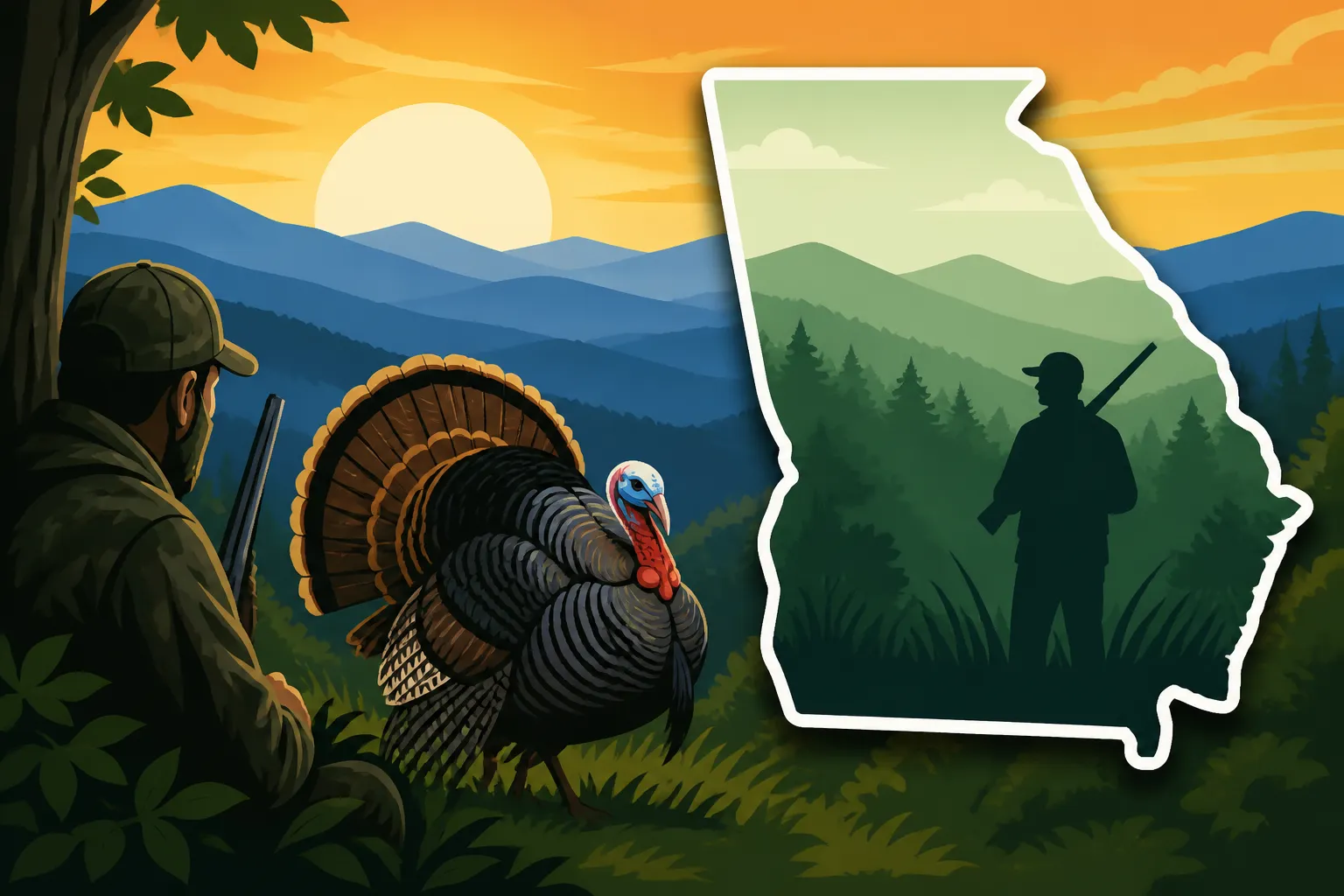
The Blue Ridge Wildlife Management Area is a gem of public land nestled in the north Georgia mountains, and it presents a unique set of challenges and opportunities for turkey hunters. Unlike the flat pine plantations or river bottoms of South Georgia, the Blue Ridge WMA is defined by its steep ridges, deep hollers, and dense, mature hardwood forests. This dramatic topography means your turkey hunting strategy needs to adapt significantly.
Navigating Steep Slopes and Dense Timber
Hunting turkeys in the Blue Ridge WMA isn't for the faint of heart or weak of leg. You'll encounter significant elevation changes that can make a half-mile walk feel like a marathon. The timber is predominantly mature hardwoods – oaks, hickories, and poplars – that create a thick canopy in spring and a relatively open understory in some areas, but also dense laurel and rhododendron thickets in others. This dense cover can make spotting birds from a distance difficult, pushing you to rely more heavily on your ears and calling ability. Expect to spend a lot of time glassing slopes and listening intently for those faint gobblers echoing across the ridges. Your ability to move quietly and efficiently through this terrain will be paramount.
Impact of Water Features and Ridgelines
The WMA is crisscrossed with numerous small creeks, drainages, and springs that feed into larger rivers like the Toccoa and Fightingtown Creek. These water features often create natural funnels and breaks in the terrain, which turkeys will use for travel. Ridgelines, saddles, and benches are critical areas to focus on. Turkeys will often roost on high ridges, especially those with mature timber, and then pitch down into the hollers or along benches to feed. Understanding how Wind and Thermals on a Mountain Ridge affect sound propagation and turkey movement is vital. In the early morning, cold air sinks into the valleys, carrying sound down; as the sun rises, thermals reverse, carrying sound up the slopes. Knowing this can help you predict where a gobbler might move after flying down from the roost.
Accessing and Navigating the Blue Ridge WMA
Getting to and moving around within the Blue Ridge WMA requires a bit of planning, as not all areas are equally accessible. Many roads are seasonal or require specific vehicles, and knowing your boundaries is crucial.
Designated Access Roads and Parking Areas
Primary access points typically follow established forest service roads. Some of these roads are well-maintained gravel, while others might be rougher, requiring a high-clearance vehicle. Pay close attention to signage regarding seasonal road closures, especially in early spring when some roads may still be muddy or gated to prevent damage. Always park in designated areas or pull well off the main road to avoid blocking traffic or wildlife access. Walking is often the best way to get deep into the WMA, leaving your vehicle behind and relying on your legs to cover ground. Remember that many of these roads follow creek bottoms or ridge lines, offering relatively easier travel than busting brush straight up a mountain.
Utilizing Mapping Tools for Boundaries and Navigation
Before you even step foot in the woods, equipping yourself with a reliable mapping tool is non-negotiable for public land like Blue Ridge WMA. Applications like onX Hunt are incredibly valuable here. They provide detailed satellite imagery, topographic maps, and crucially, property line overlays that distinguish WMA boundaries from private land. There's nothing worse than working a gobbler only to realize he's on the wrong side of the fence. Using a tool like onX Hunt allows you to confidently know where you stand, helping you plan your approach and escape routes. Additionally, for specific WMA regulations and hunt dates, a resource like GoHunt can provide updated information, often linked directly to state wildlife resources. Scouting Georgia Public Land Before Season with these tools can save you countless hours of misdirected effort.
Key Navigation Tools for Blue Ridge WMA
| Tool Type | Primary Function | Benefit for Turkey Hunters in Blue Ridge WMA |
|---|---|---|
| Topographic Map | Shows elevation, contours, water features | Identifies ridgelines, saddles, creek bottoms, and steep grades. |
| Satellite Imagery | Real-world view of cover, clear-cuts, roads | Helps locate potential roost trees, dense thickets, and travel corridors. |
| GPS/Phone App | Pinpoints your exact location, tracks movement | Prevents getting lost, marks waypoints (roosts, sign), shows boundaries (e.g., onX Hunt). |
| WMA Rules & Maps | Official boundaries, access rules, regulations | Essential for legal hunting, finding open roads, and understanding WMA-specific zones. |
Regulations and Season Details for Blue Ridge WMA Turkeys
Hunting turkeys on any WMA comes with its own set of rules, and Blue Ridge is no exception. It's imperative to familiarize yourself with these regulations to ensure a legal and ethical hunt.
WMA-Specific Season Dates and Bag Limits
While Georgia's statewide turkey season has general opening and closing dates, WMAs often operate on slightly different schedules. The Blue Ridge WMA, being public land, typically aligns with the Georgia Spring Turkey Public-Land Opener Date, which can be later than private land openers. Always double-check the current Georgia Hunting Seasons and Regulations guide for specific dates, as these can vary year to year. The statewide bag limit for spring gobblers in Georgia is typically two birds per season, with a daily limit of one. This means you can't take two birds in one day, even if you're lucky enough to call them in. Why Georgia Cut the Turkey Bag Limit is a relevant topic for understanding current management strategies.
Hunter Orange Requirements and Other Special Rules
One critical rule for many WMAs, especially during overlapping hunting seasons, is the hunter orange requirement. While turkey hunting generally doesn't require hunter orange when actively hunting, it's often mandated when moving through the woods or during certain times to ensure safety. Always check the specific WMA regulations, as these can differ. Additionally, many WMAs have restrictions on vehicle use, camping, and the use of ATVs. Be aware of any rules concerning trail cameras; while common on private land, their use might be restricted or require specific permits on public lands like the Blue Ridge WMA. It's always best to be overly cautious and err on the side of compliance when hunting public land.
Effective Turkey Hunting Tactics for Mountainous Terrain
Hunting turkeys in the mountains of Blue Ridge WMA demands a different approach than hunting in flatter, more open country. Your tactics need to be dynamic, patient, and tailored to the unique environment.
Roosting and Early Morning Approaches
Getting a gobbler roosted the evening before your hunt is perhaps the most effective tactic in mountainous terrain. This gives you a starting point and allows you to plan an early morning approach. Use locator calls like an owl hoot or a crow call just before dusk to try and get a shock gobble. Once you've located a roost, plan your approach under the cover of darkness. The goal is to get as close as possible without being detected, positioning yourself on the same elevation as the bird or slightly above him, if safe and practical. When Calling a Georgia Gobbler Off the Roost, start soft and gradually increase volume, mimicking hens waking up. Remember those thermals – they'll be pulling sound down into the hollers in the pre-dawn hours.
Run-and-Gun vs. Setting Up and Waiting
In the vastness of Blue Ridge WMA, a pure "run-and-gun" approach can be exhausting and unproductive if you don't have a starting point. However, once you've established a gobbler's general location or you're trying to cover a lot of ground between known hotspots, a modified run-and-gun strategy can be very effective. This involves moving through the timber, stopping at strategic points like ridgeline intersections or the heads of hollows, and letting out a series of calls. Listen for a response, and if you get one, move quickly and strategically to get into a good setup position. The steep terrain makes quickly closing distance challenging, so use topographical features to your advantage.
Often, however, once you have a bird located, a more patient approach is needed. Setting up against a large tree, preferably one that offers good visibility and a clear shooting lane, is key. Decoy placement can be effective, but in dense timber, visibility is limited, so placement close to your setup is crucial. Try using a single hen decoy or even just calling without decoys to draw the gobbler in. Remember that mountain gobblers are often pressured and can be wary, so patience and realistic calling are your best friends. Run-and-Gun Turkey Tactics on Public Land can be adapted, but always be mindful of your energy levels and the demanding terrain.
Dealing with Hunting Pressure and Wary Birds
Blue Ridge WMA, like most accessible public lands, sees its fair share of hunting pressure, especially during opening week. This pressure makes gobblers wary and less likely to commit to aggressive calling. If you're encountering birds that seem "henned up" or are hanging up at a distance, try these tactics:
- Go Deeper: Most hunters don't want to hike miles into the mountains. If you're willing to put in the effort, you'll often find less pressured birds deeper in the WMA.
- Silence is Golden: Sometimes, less calling is more. Instead of constantly hammering them, try a few soft yelps and purrs, then wait. Let the gobbler do the work.
- Patience: Wary gobblers may take a long time to commit. Be prepared to sit for an hour or more if you've got a bird interested.
- Locate, Don't Educate: If a gobbler is answering but not coming, avoid over-calling. Mark his location and try a different approach later in the day or the next morning. Decoy Placement for Pressured Georgia Birds is also a useful skill for these situations, aiming for subtle, realistic setups.
Hunting turkeys in the Blue Ridge WMA offers a truly wild experience, but it requires preparation, perseverance, and a deep understanding of both the terrain and turkey behavior. Good luck, and stay safe out there!
Disclaimer
This article is for general informational purposes only and does not constitute professional advice. Laws, prices and regulations vary by location and change over time. Consult a qualified professional for guidance on your specific situation.