How Big Oconee National Forest Actually Is
It’s a question many Georgia hunters ponder when looking at a map or planning their next adventure: just how big is Oconee National Forest, really? For many, the idea of a "national forest" conjures images of vast, unbroken wilderness, but the reality for Oconee is a bit more nuanced. Understanding its true scale and unique distribution is absolutely crucial for planning a successful hunt and making the most of this incredible public resource.
The True Scale of Oconee National Forest for the Hunter
When you hear "national forest," you might picture sprawling, uninterrupted woodlands stretching for hundreds of miles, a true wilderness experience. While that vision holds true for some national forests out west or even parts of the Chattahoochee-Oconee National Forest complex, Oconee National Forest has its own distinct character. It’s a mosaic, fragmented and woven into the fabric of Georgia's Piedmont landscape, which creates both challenges and unique opportunities for hunters.
Official Acreage Versus Practical Hunting Ground
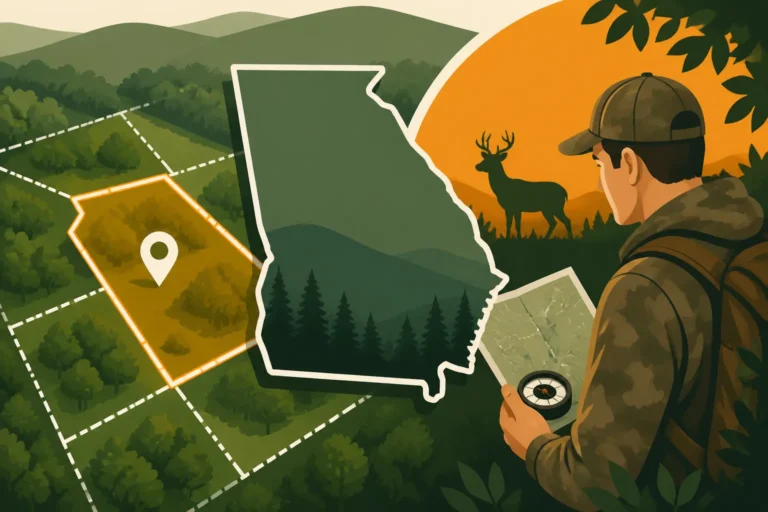
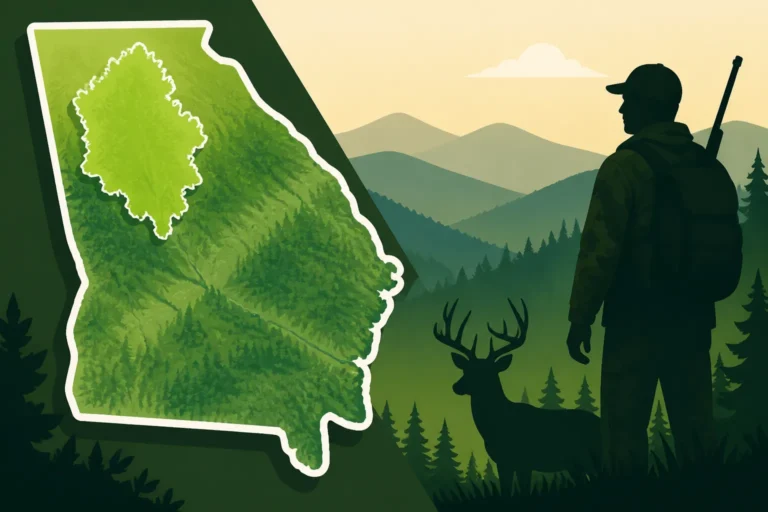
Officially, Oconee National Forest encompasses a significant amount of land. However, unlike some other large federal holdings, it's not one giant, contiguous block of woods. Instead, it's a collection of scattered tracts spread across multiple counties in central Georgia, particularly around areas like Putnam, Greene, Jones, and Jasper counties. This means that while the total acreage is impressive, you might find yourself driving a fair distance between different sections of the forest. This dispersed nature is a critical factor for hunters to understand because it directly impacts scouting, access, and hunting pressure. You won't just "walk into" the Oconee National Forest from one point and hike for days across it. Instead, you'll often be targeting specific parcels, sometimes just a few hundred or a thousand acres, nestled among private land holdings.
For hunters, this means that the "effective" hunting ground can feel smaller and more isolated than the total acreage suggests. It's not about covering vast distances in a single day, but rather about thoroughly understanding and hunting individual pockets of public land. This fragmentation also means that some areas are more accessible or receive more pressure than others, depending on proximity to roads and population centers. Knowing the specific tract you intend to hunt, rather than just the general "Oconee National Forest" name, is paramount.
Understanding the Fragmented Nature of Oconee
The reason for Oconee's fragmented layout goes back to its history. Much of this land was acquired over time from private landowners, often in smaller parcels, to help restore degraded agricultural lands back into forest. This patchwork acquisition resulted in the "checkerboard" pattern we see today, where national forest land often borders private properties, sometimes separated only by a fence line or a small creek.
This creates unique hunting scenarios. You might find a beautiful, mature hardwood stand on Oconee land directly adjacent to a private agricultural field that deer are actively feeding in. Such boundaries can be hotspots, but they also require extra diligence to ensure you're always aware of property lines. Apps like onX Hunt are incredibly valuable here, allowing you to see public and private land boundaries right on your phone, preventing accidental trespass and helping you identify key access points and pinch points along these edges. The scattered nature also means that different sections of Oconee can vary greatly in habitat, from dense pine plantations to mature bottomland hardwoods along river corridors, each offering different hunting challenges and opportunities.
Comparing Oconee's Size to Other Public Lands
To put Oconee's scale into perspective, it's often useful to compare it to other prominent public hunting grounds in Georgia. The Chattahoochee National Forest, located in North Georgia, is significantly larger and generally more contiguous, offering expansive wilderness experiences across its mountain ranges. While both are part of the broader Chattahoochee-Oconee National Forests administrative unit, their practical hunting experiences are quite different.
Oconee, being in the Piedmont, offers a different type of habitat and hunting opportunity. It might not boast the sheer acreage of the northern mountains, but its scattered parcels can offer excellent hunting for those willing to scout and adapt to the specific conditions of each tract. It means less "big woods" hunting and more focus on edge habitat, creek bottoms, and smaller timber blocks. How Big Chattahoochee National Forest Actually Is is a great resource if you're interested in diving deeper into the scale of our northern national forest. The table below illustrates a basic comparison to give you a quick visual reference:
| Public Land Feature | Oconee National Forest | Chattahoochee National Forest |
|---|---|---|
| Primary Location | Central Georgia (Piedmont) | North Georgia (Mountains) |
| Contiguity | Fragmented, scattered tracts | Largely contiguous, vast wilderness |
| Predominant Terrain | Rolling hills, creek bottoms, mixed timber | Steep mountains, dense forests |
| Hunting Style Focus | Smaller parcels, edge hunting, careful navigation | Expansive wilderness, long hikes, scouting for large areas |
| Typical Hunting Pressure | Varies heavily by tract and accessibility | Generally less dense due to size, but accessible areas see pressure |
This comparison highlights that while Oconee is a substantial public land holding, its character demands a different approach than its larger, more contiguous northern counterpart.
Exploring Oconee's Diverse Hunting Opportunities
Despite its fragmented nature, Oconee National Forest provides a wealth of hunting opportunities for deer, turkey, and other small game. Its location in the Piedmont region means a mix of habitat types that support diverse wildlife populations. Success here often hinges on understanding these different environments and adapting your tactics accordingly.
Game Species Found in Oconee National Forest
The primary draw for most hunters in Oconee National Forest is white-tailed deer. The Piedmont region supports a healthy deer population, and Oconee's mix of hardwoods, pine plantations, and creek bottoms offers excellent habitat. Deer often utilize the thick cover of pine stands for bedding and transition to the mast-producing hardwoods or adjacent private agricultural fields for feeding. Hunters can expect to find good numbers of deer, with opportunities for both antlered and antlerless harvest within Georgia's generous bag limits. White-Tailed Deer Across Georgia provides a comprehensive overview of the deer population.
Beyond deer, Oconee also offers solid turkey hunting. Wild turkeys thrive in the mixed timber and open understories found throughout the forest. Roosting sites are often found near creek bottoms or on higher ridges with mature trees, and birds will range widely across the tracts. Small game like squirrels and rabbits are also abundant, offering additional hunting recreation, particularly in the fall and winter months. The diverse habitat also supports various furbearers and predators, like coyotes and bobcats, which can be pursued year-round.
Typical Terrain and Habitat in Oconee
The terrain in Oconee National Forest is characteristic of Georgia's Piedmont: gently rolling hills, dissected by numerous creeks and small rivers. You'll find a patchwork of timber types, ranging from recently thinned or clear-cut pine plantations that offer dense bedding cover, to mature stands of oak and hickory that produce vital food sources in the fall. Bottomland hardwood areas along the creeks are particularly attractive to deer and turkey, especially during dry spells or when mast crops are heavy.
These different habitat types mean varied hunting experiences. In dense pine thickets, still-hunting or setting up ground blinds might be effective. In more open hardwoods, strategic treestand placement overlooking trails or feeding areas can pay off. Understanding the predominant habitat of a specific Oconee tract is critical for choosing the right hunting strategy. For example, a tract dominated by younger pines will require different tactics than one with older growth hardwoods and creek bottoms. This is where scouting, both preseason and during the hunt, becomes even more important. Hunting Piedmont Farmland Deer delves into strategies relevant to this region.
Seasonal Hunting Considerations
Hunting in Oconee National Forest, like much of Georgia, is heavily influenced by the seasons. Early archery season can be warm, requiring lightweight clothing and keen attention to thermals in the rolling terrain. As the season progresses into late October and November, the rut peaks, and deer movement becomes more active. This is often a prime time for rattling or grunting tactics. Hunting the Georgia Rut in Mid-October explores these methods.
Firearms season brings increased pressure, especially on opening weekend, so finding less accessible spots becomes crucial. Later in the season, after leaf fall, visibility improves, and focusing on remaining food sources like hard mast or persistent green browse becomes important. For spring turkey hunting, understanding roosting patterns and calling sequences is key, with the birds spreading out as the season progresses. Each season presents unique challenges and rewards, and being prepared for the specific conditions of Oconee's Piedmont environment will greatly enhance your success.
Navigating Oconee: Tools and Tactics for Public Land
Hunting public land in a fragmented area like Oconee National Forest requires strategic planning and effective navigation. It's not always as simple as following a trail; often, you'll be making your own way through dense woods to reach undisturbed spots. Having the right tools and knowing how to use them can make all the difference.
Utilizing Mapping Tools and GPS Devices
Modern mapping applications have revolutionized hunting public land, and they are absolutely indispensable for Oconee National Forest. Services like onX Hunt and GoHunt provide detailed satellite imagery, topographical maps, and, most importantly, clear public/private land boundary lines. Given Oconee's fragmented nature and its close proximity to private parcels, these tools are not just convenient; they are essential to avoid trespassing and to maximize your time on legal hunting ground. You can mark waypoints for potential stand locations, bedding areas, or access points during your scouting trips.
Even with smartphone apps, it’s a good idea to download offline maps before heading out, as cell service can be spotty in some remote sections of the forest. Carrying a traditional compass and a paper map as a backup is also a wise practice, especially if you plan on venturing deep into a particular tract. GPS units, while perhaps less common than smartphone apps these days, also serve the same purpose and often have more robust battery life for longer trips. Scouting With the Georgia Outdoors App offers more tips on using these digital tools.
Scouting Strategies for Fragmented Tracts
Scouting in Oconee National Forest demands a focused approach. Instead of trying to cover massive areas, concentrate on thoroughly exploring specific tracts. Look for natural funnels, such as narrow strips of timber between open fields, creek crossings, or saddles on ridges. Identify different habitat types within a tract – where are the thick bedding areas? Where are the primary feeding zones with acorns or other mast? How do deer travel between them?
Pay close attention to sign: rubs, scrapes, fresh tracks, and droppings. During the off-season, you can also identify potential treestand locations, paying attention to prevailing winds for those spots. Consider hunting pressure: easily accessible areas near roads will likely see more hunters. Sometimes, walking an extra half-mile into a tract can put you in significantly less pressured territory. Understanding how to interpret aerial photos for things like logging roads, timber cuts, and water sources will greatly aid your digital scouting efforts before you even set foot in the woods.
Access Points and Parking Considerations
Accessing Oconee National Forest tracts can sometimes be tricky due to the interspersed private land. Many parcels have designated public access points, often marked with national forest signs, but others might require a bit more research on a map or even a quick scout drive-by to locate. Parking is often along forest service roads or small pull-offs. Be mindful of parking regulations and ensure you're not blocking any gates or private driveways.
On heavier hunting days, especially during opening weekends, popular access points can fill up quickly. Having a few alternative entry points for a specific tract, or even a few different tracts scouted out, can save your hunt if your first choice is crowded. Remember, you'll also want to consider your exit strategy, especially if you harvest an animal. Planning routes that minimize dragging distance or make it easier to retrieve game is part of smart access planning. Scouting Georgia Public Land Before Season can help you refine these tactics.
Maximizing Your Experience on Oconee National Forest Land
Hunting in Oconee National Forest offers a rewarding experience, but it comes with a responsibility to understand and follow regulations, practice ethical hunting, and respect the land and fellow hunters. A successful hunt isn't just about harvesting game; it's about enjoying the outdoor experience responsibly.
Understanding Regulations and Permits
Like all public lands, Oconee National Forest has specific regulations that hunters must follow in addition to statewide Georgia hunting laws. These can include rules regarding vehicle access, camping, and the placement of treestands or ground blinds. For instance, temporary treestands might be allowed, but usually must be removed at the end of the season, and damaging trees for stand placement is typically prohibited. Always check the current Georgia Department of Natural Resources (DNR) regulations and any specific rules for the Oconee National Forest or relevant Wildlife Management Areas (WMAs) within or adjacent to its boundaries.
You'll need the appropriate Georgia Hunting Licenses and What They Cost, including any necessary Big Game licenses and potentially a WMA Access Stamp if you're hunting in a designated WMA within the forest. Make sure you understand Georgia Deer Harvest Reporting Rules and report your kills promptly. Awareness of these rules is not just about avoiding citations; it's about ensuring sustainable management of the forest's resources for everyone.
Ethical Hunting and Respect for Other Users
Hunting in Oconee National Forest means sharing the woods with a variety of other users: hikers, birdwatchers, mountain bikers, and nature enthusiasts. Practicing ethical hunting includes being courteous and respectful to everyone you encounter. Dress in appropriate blaze orange or pink during firearms season to be visible and safe, even if it's not strictly required in certain zones (though it is for firearms deer hunting). How Much Blaze Orange Georgia Requires is a good read on this.
Always know your target and what's beyond it. Pack out everything you pack in, leaving no trace of your presence. If you come across another hunter's stand or blind, respect their space and move on to another area. The fragmented nature of Oconee can sometimes lead to closer encounters with other hunters than in truly vast wilderness, so patience and courtesy are key to a positive experience for all.
Safety and Preparedness in the Field
Being prepared for potential hazards is crucial when hunting any public land, including Oconee. Always let someone know where you are going and when you expect to return. Carry a fully charged phone, but don't rely solely on it for navigation. A small first-aid kit, extra water, snacks, and a headlamp are essential, especially if you plan to be out near dawn or dusk.
Given Georgia's climate, be mindful of weather changes. Even in fall, temperatures can fluctuate dramatically. Snake boots or appropriate footwear are a good idea, especially in warmer months when snakes are active. If you're using a treestand, always use a safety harness. The rolling terrain, thick cover, and potential for limited cell service mean that self-reliance and preparedness are your best allies for a safe and enjoyable hunt in Oconee National Forest.
Disclaimer
This article is for general informational purposes only and does not constitute professional advice. Laws, prices and regulations vary by location and change over time. Consult a qualified professional for guidance on your specific situation.