Finding Access Near Columbus
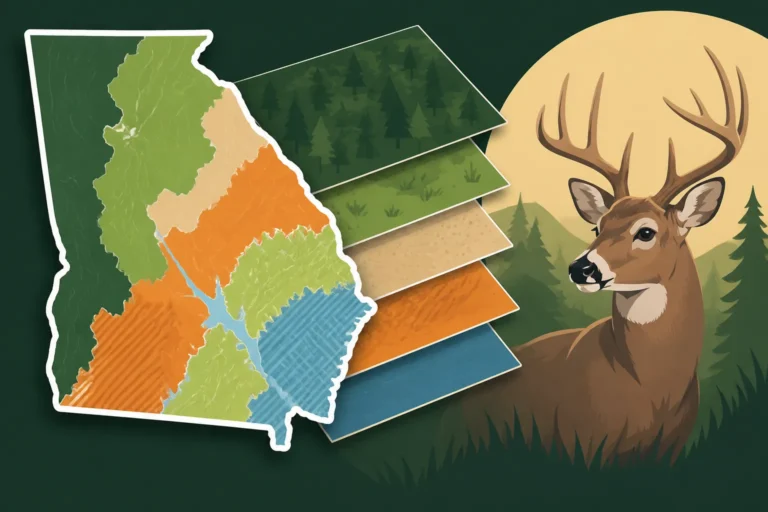
Finding quality hunting land in Georgia, especially when you're close to a population hub like Columbus, can feel like trying to find a needle in a haystack. You're constantly wondering if the land is private, if there's public access, or if you're just going to run into other hunters around every bend. This guide is going to peel back the layers on how to unearth those valuable hunting opportunities, both public and private, within a reasonable drive of Columbus, giving you the practical strategies and resources you need to spend less time guessing and more time in the woods.
The Unique Challenges of Hunting Near Columbus, Georgia
Hunting near a city like Columbus presents a whole different set of puzzles compared to venturing deep into the rural expanses of South Georgia or the North Georgia mountains. The landscape here is a dynamic mix of suburban development, agricultural land, and pockets of remnant timber, all vying for space. For hunters, this means navigating increased human presence, understanding property boundaries, and often, dealing with more pressured game. It’s not impossible, but it definitely requires a more strategic approach than just picking a spot on a map.
Balancing Urban Sprawl and Wild Spaces
The expansion of Columbus means that what was once prime hunting habitat might now be a housing development or a shopping center. This isn't unique to Columbus, of course, but it creates a distinct challenge for hunters looking for that traditional, untouched wilderness feel. You'll often find yourself hunting smaller tracts of land, perhaps surrounded by residences or busy roads, which changes everything from how you enter and exit a stand to how far a shot you're comfortable taking. The game animals here, particularly deer, become incredibly adept at living alongside humans, often bedding down in thickets close to homes and only moving under the cover of darkness. This means adapting your tactics and being acutely aware of your surroundings, ensuring every shot is safe and every retrieve is done respectfully. It’s a constant dance between the wild and the suburban, and patience is your most important partner.
Navigating Hunting Pressure
Anytime you hunt near a populated area, you can expect increased hunting pressure. This isn't just about the number of other hunters you might encounter; it's also about how that pressure shapes animal behavior. Deer become more nocturnal, turkeys get "call shy," and small game animals are quicker to bolt. Public lands especially can feel crowded on opening weekend or during prime rut periods. The frustration of walking into "your" spot only to find someone else's truck parked there is a common one. To counter this, you'll need to think outside the box. This might mean hunting midweek, focusing on areas that are harder to access, or exploring less popular game species. Understanding how other hunters move through an area, and then deliberately choosing a different path, can often lead you to the quieter pockets where game still feels secure. It's about finding those overlooked nooks and crannies that others deem too difficult or simply miss.
Public Land Opportunities Near Columbus
Despite the urban encroachment, there are some fantastic public hunting opportunities within striking distance of Columbus. These areas require diligent scouting and often a willingness to work harder than the next hunter, but they absolutely hold game. Knowing where to look and what to expect is half the battle. If you're looking for general information on public hunting land, check out our guide on Public Hunting Land in Georgia.
Key Wildlife Management Areas (WMAs) in the Region
Georgia's Wildlife Management Areas (WMAs) are incredible resources for public land hunters, and several are within a reasonable drive of Columbus. These lands are specifically managed by the state for wildlife habitat and public recreation, including hunting. Each WMA has its own unique character, regulations, and target species, so it's crucial to consult the Georgia DNR's online resources or their official app (like Go Outdoors Georgia) before you go.
For instance, the Hannahatchee Creek WMA and Flint River WMA are two prime examples that come to mind. Hannahatchee Creek, located in Marion and Schley counties, offers a mix of pine uplands and hardwood bottoms, providing excellent deer and turkey habitat. It's relatively close to Columbus and sees a good amount of pressure, so scouting ahead of time and being willing to walk a bit deeper can really pay off. Flint River WMA, extending along the Flint River, provides diverse river bottom habitat known for deer and hogs, and even some waterfowl opportunities in certain areas. It's often thicker, swampier ground, which can deter some hunters but offers great sanctuary for game. Always check the specific dates and bag limits for each WMA, as they can differ significantly from statewide regulations. Understanding the nuances of these areas is key to success, and our article Georgia Wildlife Management Areas delves deeper into what makes them such vital hunting grounds.
National Forest Access and Considerations
While not directly adjacent to Columbus, parts of the Oconee National Forest are within a manageable drive. The Oconee is a vast tract of public land, offering a different hunting experience than the WMAs. It's generally less intensely managed for hunting than a WMA, often featuring larger expanses of mature timber and diverse terrain. This means more room to roam, but also potentially more effort to locate game concentrated in specific areas.
Hunting the national forest requires a different mindset. You'll often be looking for natural food sources like acorns, travel corridors along ridges or creek bottoms, and thick bedding areas that offer refuge. Access points can be numerous, but finding unpressured spots usually means leaving the main roads and hiking. Tools like onX Hunt become invaluable here, allowing you to clearly see property boundaries, topo maps, and aerial imagery to pinpoint potential stand locations, historical timber cuts, or overlooked funnels. Always be mindful of other recreational users in the National Forest, as it's not exclusively for hunting. Respectful interaction and awareness of your surroundings are paramount.
Voluntary Public Access (VPA) Lands
Georgia has a Voluntary Public Access (VPA) program that provides additional hunting opportunities on private lands. Landowners enroll their property in the program, granting public access for specific recreational activities, including hunting, for a limited time. These tracts can be scattered and vary in size, but they often represent some really good, otherwise inaccessible, habitat.
The VPA program is dynamic, meaning properties can come and go from the program, so you need to stay on top of the latest information. The Georgia DNR website is the best source for current VPA listings and maps. You might find smaller parcels closer to Columbus through this program that offer a unique chance to hunt land that wouldn't normally be open. It’s a bit like a treasure hunt, as these lands can be less visited than WMAs, offering a more secluded experience. Always adhere strictly to the rules posted for each VPA property, as landowner generosity is what makes these opportunities possible.
Strategies for Securing Private Land Access
While public land offers a guaranteed place to hunt, the dream for many hunters is finding reliable access to private land. Private land often means less pressure, more consistent game populations, and the ability to implement long-term management strategies. Near Columbus, with its mix of agriculture and timber, private land holds significant potential, but gaining access requires persistence, good manners, and often, a bit of luck. Learning Getting Private Land Permission in Georgia is a skill every hunter should cultivate.
The Art of Knocking on Doors and Building Relationships
This is the old-school method, and it remains one of the most effective, though it can feel intimidating in today's world. The key isn't just to ask for permission; it's to offer something in return and build a relationship. Start by identifying potential landowners with properties that look promising – perhaps agricultural fields with adjacent timber, or large woodlots. Before you even knock, consider what you can offer: help with chores, assistance with nuisance animals like coyotes or hogs, or simply offering to share your harvest.
When you do approach a landowner, be respectful, well-dressed, and have a clear, concise request. Explain why you're interested in their land and what type of hunting you'd like to do. Be prepared for "no," but also be ready to impress them if they're open to "maybe." Often, it's not about the first impression, but the consistent, respectful follow-up over time. A polite note or small gesture of thanks, even after a rejection, can sometimes open doors down the line. Remember, trust is earned, and a good relationship with a landowner can be more valuable than any trophy.
Exploring Hunting Leases and Clubs
For those looking for more consistent private land access without the direct homeowner negotiation, hunting leases and clubs are a popular option. Near Columbus, you'll find a variety of clubs, ranging from informal groups sharing expenses on a few hundred acres to larger, more structured organizations with extensive properties. Leases often involve a financial commitment, either per acre or as a share of the overall lease cost, but they offer exclusivity and the ability to manage the land for specific hunting goals.
When considering a lease or club, do your homework. Ask about the club's rules, membership turnover, game management practices, and any other expectations. Understand the Georgia Hunting Lease Costs dynamics. Visiting the property and meeting other members before committing is highly recommended. Look for clubs that align with your hunting style and values. While the cost can be a barrier for some, the shared camaraderie, consistent access, and potential for better hunting can make it a worthwhile investment for many serious hunters.
Leveraging Technology for Landowner Information
In the modern age, technology has revolutionized how hunters find and gain access to land. Tools like onX Hunt and GoHunt are invaluable. These mapping applications allow you to view detailed property boundaries, landowner names, aerial imagery, and topographic maps right on your phone or computer. Imagine seeing a promising patch of timber bordering a crop field and instantly being able to identify the landowner!
You can use these apps to identify potential properties, then cross-reference with public records or local tax assessor sites to find contact information. This streamlines the process of "knocking on doors" by allowing you to approach landowners with knowledge of their property and a clearer idea of what you're asking for. You can also use these tools for Reading Aerial Photos for Piedmont Deer to identify prime habitat, travel corridors, and potential stand locations before you even step foot on the property. These digital aids don't replace the need for in-person communication and building relationships, but they certainly make the initial research phase much more efficient and targeted.
Game Species and Tactical Considerations in the Columbus Area
The diverse landscape around Columbus supports a variety of game, with white-tailed deer being the undisputed king. However, hunters should also consider the abundant opportunities for small game and the year-round pursuit of feral hogs. Spring turkey hunting is also a major draw. Each species demands specific tactics adapted to the local environment.
Whitetail Deer Hunting Tactics
Deer hunting near Columbus often means targeting properties that mix agricultural fields with dense timber and creek bottoms. Deer in these areas are often quite wary due to pressure. For example, when Hunting Piedmont Farmland Deer, you'll find that bucks often use thick fencerows or small woodlots as travel corridors between bedding areas and food sources like soybean or peanut fields.
- Field Edges and Funnels: Pay close attention to where timber meets agriculture. These edges are natural travel routes. Look for pinch points or funnels where deer movement is concentrated. Our guide on Setting Up on a Piedmont Field Edge offers more detailed strategies for these spots.
- Thick Cover: Don't overlook dense cover. Deer often bed in thickets, clear-cuts, or briar patches adjacent to food. Being willing to penetrate these areas, especially during midday, can often lead to success.
- Stand Placement: Given the proximity to human activity, consider your entry and exit routes carefully. Minimize disturbance and use wind and thermals to your advantage. Early archery season can be especially challenging with warm weather, making scent control paramount.
- Rut Timing: While the rut can vary, the peak in this part of Georgia typically falls around mid-October. This can be a fantastic time to be in the woods, as bucks are on the move. Our guide on Hunting the Rut in Mid-October provides excellent tips.
Small Game and Feral Hog Opportunities
Beyond deer, the Columbus area provides ample opportunities for small game hunters. Squirrels and rabbits are plentiful in wooded creek bottoms, fencerows, and areas with mature hardwoods. These hunts can be a great way to introduce new hunters to the sport or just enjoy a relaxing day afield outside of big game seasons.
Feral hogs are another story entirely. These invasive animals are a year-round problem for landowners and offer a continuous hunting opportunity with no closed season or bag limit in most areas. Hogs thrive in the mixed habitat around Columbus, particularly in river bottoms and agricultural areas where they can find food and cover. Feral Hog Hunting Year-Round in Georgia is not just a great way to fill your freezer, but also to help landowners mitigate damage.
- Hog Tactics: Hogs can be hunted in a variety of ways: still-hunting through thick cover, targeting them over bait (where legal), or even night hunting with thermal optics on private land. They are often most active at night or during the cooler parts of the day. Look for fresh rooting, tracks, and wallows near water sources.
- Squirrel and Rabbit: For squirrels, focus on oak and hickory ridges during the fall. For rabbits, thick briar patches, abandoned homesteads, and fencerows are prime habitat. A good pair of beagles can make rabbit hunting an absolute blast.
Turkey Hunting in the Piedmont
Spring turkey season is a highly anticipated time for many hunters, and the Piedmont region around Columbus offers solid opportunities for Eastern wild turkeys. While turkey populations have faced challenges in recent years, careful scouting and adaptable tactics can lead to success. Check out Spring Turkey Hunting in Georgia for a deep dive into the season.
- Habitat Focus: Turkeys prefer areas with a mix of mature timber for roosting, open woods for bugging, and fields for strutting and feeding. Creek bottoms, hardwood ridges, and agricultural field edges are all prime spots.
- Calling Strategies: Be mindful of hunting pressure. While locator calls can help pinpoint birds on the roost, sometimes a softer, more subtle approach is best on public or heavily hunted private land. Decoy usage can be very effective, but always place them carefully with safety in mind.
- Patience and Persistence: Turkeys are notoriously wary. Be prepared to put in the time, move to new locations if birds go silent, and stick with it. Early mornings are crucial, but don't give up on midday hunts, especially if you can find birds loafing or dusting in fields.
Essential Preparation and Scouting for Columbus-Area Hunters
Successful hunting, especially near a populated area like Columbus, hinges on meticulous preparation and thorough scouting. You can't just show up and expect results. It's about knowing the land, understanding game behavior, and being ready for anything.
Pre-Season Scouting and Mapping
Scouting isn't just a pre-requisite; it's an ongoing process. Before the season even begins, you should be out in the woods, looking for sign, understanding terrain, and identifying potential stand locations. This is where tools like onX Hunt truly shine. You can overlay aerial imagery with topographic maps to identify key features such as:
- Food Sources: Locate acorn flats, persimmon trees, or ag fields like corn, soybeans, or peanuts. Understand when these sources will be available.
- Water Sources: Creek beds, ponds, and swamps are critical, especially during warmer periods.
- Bedding Areas: Look for thick cover, dense pines, or brushy areas where deer feel secure.
- Travel Corridors: Identify funnels, saddlebacks, creek crossings, or fencerows that connect food, water, and bedding.
Beyond digital tools, boots on the ground are irreplaceable. Walk the land, look for tracks, droppings, rubs, and scrapes. Pay attention to how deer enter and exit fields, where turkeys roost, and where hogs are rooting. Scouting Georgia Public Land Before Season will tell you everything you need to know about getting started. Don't be afraid to hang a few trail cameras (where permitted) to get an idea of what animals are using the area and when. This pre-season intelligence gathering will dramatically increase your chances of success.
Understanding Local Regulations and Safety
Georgia's hunting regulations are complex and vary by county, WMA, and even specific hunt type. Before heading out, always consult the current Georgia Hunting Regulations guide, available online or at license vendors. This is not just about understanding bag limits and season dates; it's also about specific rules regarding hunting methods, blaze orange requirements (or blaze pink options), and weapon types. For example, Georgia Legal Firearms for Deer Hunting covers a range of acceptable weapons.
Near Columbus, with properties often bordering residential areas, understanding rules about discharging firearms and setback distances is absolutely critical. Safety must always be your top priority.
Key things to know:
- License Requirements: Make sure you have the correct Georgia Hunting Licenses and What They Cost for the species you intend to hunt.
- Hunter Education: If you were born on or after January 1, 1961, you'll need proof of Georgia Hunter Education Requirements unless you're hunting under an apprentice license.
- Reporting Harvests: Georgia requires hunters to report their deer and turkey harvests through the Georgia Game Check system.
- Property Boundaries: Whether on private or public land, always be acutely aware of property lines. onX Hunt and other mapping apps are fantastic for this, but also look for physical markers. Georgia Trespass and Permission Law is serious business, and you do not want to inadvertently cross onto private land without permission.
Being a responsible, ethical, and safe hunter not only protects you and others but also ensures a positive image for the hunting community.
Here's a quick comparison of public land opportunities near Columbus:
| Public Land Type | Typical Habitat | Primary Game Species | General Access & Pressure | Required Stamps/Permits |
|---|---|---|---|---|
| Wildlife Management Areas | Mixed pine/hardwood, river bottoms, fields | Deer, Turkey, Hog, Small Game | Generally good access, higher pressure on opening days | WMA Stamp, Hunting License |
| National Forest (Oconee) | Large tracts of timber, varying terrain | Deer, Turkey, Small Game | Good access, lower pressure away from main roads, more rugged | Hunting License |
| Voluntary Public Access (VPA) | Varies by property (ag land, timber, etc.) | Deer, Turkey, Hog, Small Game | Varies by property, can be very low pressure on smaller tracts | Hunting License |
Disclaimer
This article is for general informational purposes only and does not constitute professional advice. Laws, prices and regulations vary by location and change over time. Consult a qualified professional for guidance on your specific situation.