Has Georgia’s 2022 Turkey Rule Change Worked
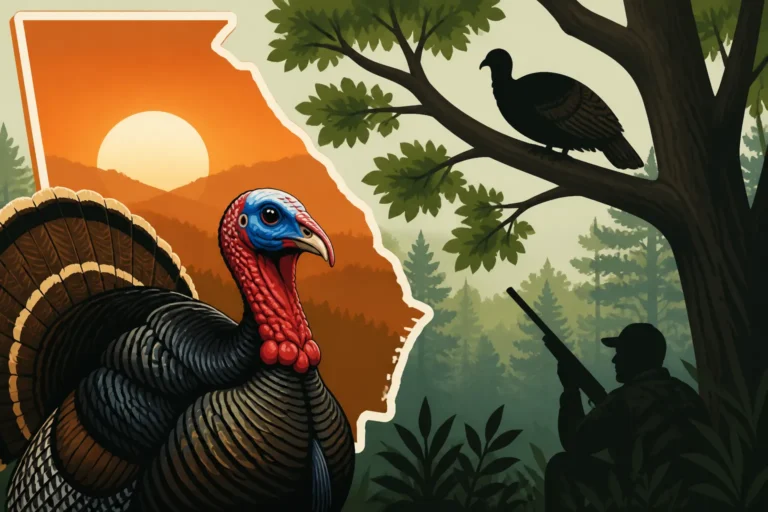
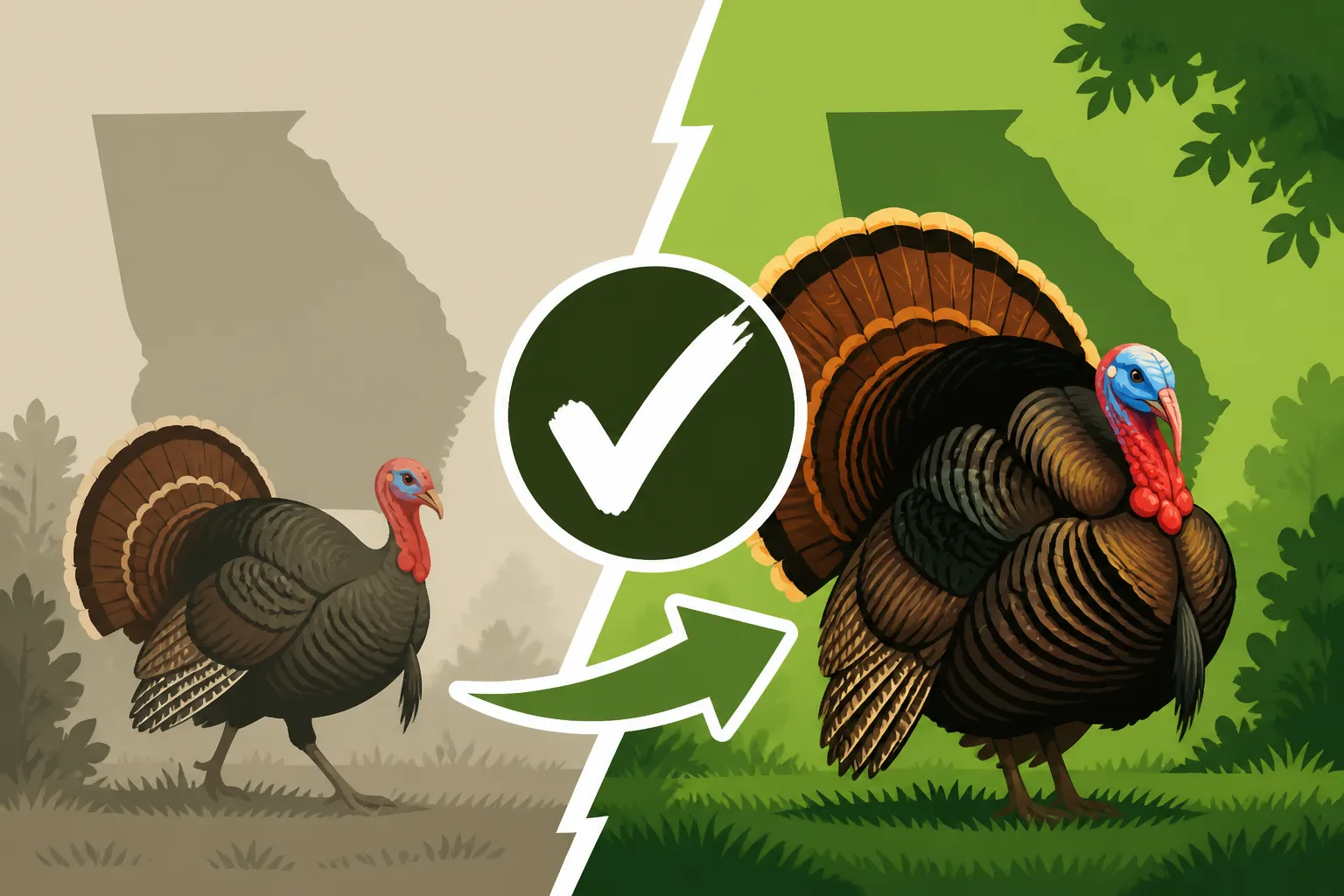
It’s been a challenging few years for wild turkey enthusiasts across Georgia. Many of us have noticed a real decline in the number of gobblers sounding off at daylight, or the scarcity of birds in areas that once held strong populations. This trend led to a lot of concern and, eventually, some significant changes in the state's turkey hunting regulations in 2022. This guide will dive deep into those adjustments, explore the reasoning behind them, and look at the early indicators and hunter sentiment to see if these crucial steps have started to turn the tide for our beloved spring gobblers.
Understanding the 2022 Turkey Rule Changes in Georgia
The decision to alter long-standing hunting regulations is never taken lightly, and the changes implemented for Georgia's 2022 turkey season were a direct response to a growing body of evidence suggesting a significant decline in the wild turkey population. Hunters, biologists, and conservation groups all contributed to the conversation, highlighting the urgent need for intervention to help these magnificent birds rebound.
What Prompted the Changes?
For years leading up to 2022, hunters across Georgia were reporting fewer encounters, less gobbling activity, and generally harder hunting conditions. What started as anecdotal evidence began to be backed up by biological data, showing a concerning downward trend in turkey populations. Factors like habitat degradation, increased predation, and disease were often discussed, but harvest pressure was also identified as a controllable variable that could be adjusted to give the birds a better chance. Specifically, data on poult-to-hen ratios, which is a key indicator of reproductive success, showed numbers that were too low to sustain healthy populations in many areas. It became clear that continuing with the existing regulations might exacerbate the problem, making recovery even more difficult. Many hunters themselves voiced concerns, pushing for action to protect the future of the sport.
The goal wasn't just to reduce the number of birds harvested; it was to protect the breeding population, particularly adult gobblers, who play a crucial role in the spring breeding cycle. By allowing more birds to survive and breed, the hope was to see an increase in poult production in subsequent years. This preventative measure aimed to ensure that future generations of Georgians would have the opportunity to experience the thrill of a spring gobbler hunt. Biologists looked at trends across the Southeast and realized Georgia wasn't alone in this challenge, leading to a broader regional discussion about turkey management strategies.
The Specifics of the New Regulations
The core of the 2022 rule changes centered on two main adjustments: the statewide bag limit and the public land season opener. Previously, Georgia hunters were allowed to harvest three gobblers per season. This was reduced to a two-gobbler limit, a significant cut aimed directly at reducing overall harvest pressure. The reasoning here was straightforward: fewer birds taken means more birds remaining in the population to breed and contribute to future generations. This adjustment brought Georgia more in line with many neighboring states that had already implemented similar, more conservative bag limits.
Perhaps even more impactful for many hunters was the shift in the public land season opener. For years, the general public land season kicked off in March, often overlapping with the private land opener or starting just a week or two later. The 2022 rules pushed the public land opener back to April. This later start date was intended to accomplish a couple of things. First, it allows the peak of the breeding season to occur with less hunting pressure on public lands, giving gobblers more time to breed hens undisturbed. Second, it shifts hunting pressure away from the earliest part of the season when gobblers might be more vulnerable due to their intense focus on breeding. This creates a more staggered hunting experience across the state, with private land hunters getting an earlier start, which, in theory, spreads out the overall pressure on the turkey population. You can learn more about Georgia's Public-Land Turkey Opener and Georgia's Private-Land Turkey Opener in March to see how these dates compare.
Early Indicators and Hunter Observations
Whenever significant changes are made to hunting regulations, especially those that impact a beloved game species like wild turkeys, the hunting community watches closely. We’re all out there, boots on the ground, and our observations are a crucial part of understanding how these regulations are playing out in the real world. It’s a mix of official data and the gut feelings from experienced woodsmen and women.
Initial Season Harvest Data
In the immediate aftermath of the 2022 rule changes, the Georgia Department of Natural Resources began collecting and analyzing harvest data with heightened scrutiny. While I don't have access to real-time, precise figures, the early trends reported by wildlife agencies often provide the first glimpse into the impact of new regulations. The primary goal of reducing the bag limit was, naturally, to see a decrease in the total number of gobblers harvested statewide. If the data showed a measurable dip in harvest, it would suggest that hunters were indeed adhering to the new limits and that the regulation was having its intended effect on the harvest rate.
Beyond just the raw numbers, biologists also look at other metrics, such as the age structure of harvested birds and regional harvest distribution. For instance, if the average age of harvested gobblers started to climb, it could indicate that more birds were surviving to older ages, which is beneficial for a healthier breeding population. Similarly, understanding if certain regions showed more or less significant changes in harvest could help pinpoint areas where the rules might be having a greater or lesser impact. It’s a complex puzzle, and these initial data points, even without showing a complete recovery, are essential for evaluating the short-term effectiveness of the new framework. This data, combined with other biological surveys, helps form a comprehensive picture of the turkey population's health.
Hunter Sentiment and Field Reports
Beyond the hard numbers, the collective experience of Georgia's turkey hunters offers invaluable insight into the perceived effectiveness of the new rules. The 2022 season, and those that followed, saw a lot of discussion around the changes. Many hunters, while perhaps initially frustrated by a reduced bag limit or a later start, expressed understanding and support for the long-term health of the turkey population. They hoped that sacrificing a bird now would mean more birds for their kids and grandkids later. On the other hand, some hunters worried that the changes didn't go far enough, or that other factors, like habitat loss and predation, were far more critical than harvest pressure.
Field reports varied wildly depending on the region and specific hunting pressure. Some hunters reported slightly better gobbling activity on public lands later in the season, perhaps attributing it to the delayed opener allowing birds to complete more of their breeding cycle undisturbed. Others found the hunting just as tough, suggesting that one season wasn't enough to reverse years of decline. Platforms and tools like GoHunt are incredibly useful here, as they allow hunters to share observations, track their success rates over time, and compare notes on bird activity, helping to build a collective picture of how the season is progressing. These real-world observations, while anecdotal, help to inform the broader conversation and highlight areas where the rules might be having a tangible impact, or where further adjustments might be needed down the line.
Biological Impacts and Long-Term Outlook
While hunter observations and harvest data provide immediate feedback, the true measure of success for any wildlife regulation change lies in its biological impact on the population over time. For wild turkeys, this means looking beyond a single season and focusing on metrics that predict long-term sustainability. The 2022 rule changes were implemented with specific biological goals in mind, aiming to fortify the foundation of Georgia’s turkey population.
Poult-to-Hen Ratios and Nesting Success
One of the most critical indicators of a healthy turkey population is the poult-to-hen ratio. This metric tracks how many young turkeys (poults) are successfully hatched and survive per adult hen. A high poult-to-hen ratio suggests good nesting success and strong recruitment of new birds into the population, which is exactly what was missing in the years leading up to the rule changes. The 2022 regulations, particularly the reduced bag limit, were designed to allow more gobblers to survive and breed, theoretically leading to more successful breeding attempts and, consequently, higher poult production. Protecting gobblers throughout the early, intense breeding phase means they're available to breed more hens over a longer period.
However, it's important to remember that improving poult-to-hen ratios isn't solely dependent on harvest management. Weather patterns during nesting season, predator abundance, and the quality of nesting and brood-rearing habitat all play massive roles. While the regulations might provide a necessary buffer, if hens don't have safe places to nest or if young poults face overwhelming predation pressure, even a perfect breeding season might not translate to a significant population increase. Biologists will continue to monitor these ratios closely over several seasons to see if a positive, sustained trend emerges. You might be interested in Poult-to-Hen Ratios and What They Mean for a deeper dive into this important indicator.
Addressing the Root Causes
The 2022 rule changes primarily address a single, albeit important, factor in turkey decline: hunting pressure. By reducing the bag limit and adjusting public land season dates, the Georgia Department of Natural Resources aimed to alleviate stress on the breeding population. However, it's widely recognized that wild turkey populations face a multitude of challenges, and harvest management is just one piece of a much larger puzzle. Habitat loss and fragmentation, for example, continue to be significant threats across much of Georgia. Development encroaches on vital turkey habitat, while changes in land management practices can reduce the quality of available food sources and nesting cover.
Predation is another major factor. Coyotes, bobcats, raccoons, and opossums can all impact turkey nests and poult survival. While these predators are a natural part of the ecosystem, their populations can sometimes become unbalanced, especially in areas with altered habitats. Disease outbreaks, though less common, can also decimate local turkey numbers. While the new rules are a critical step, truly robust turkey recovery will require a multi-faceted approach that also prioritizes habitat conservation, predator management where appropriate, and ongoing research into disease and environmental factors. Without addressing these root causes, harvest adjustments alone may only offer limited, temporary relief.
The Road Ahead for Georgia Turkeys
While the 2022 rule changes represent a significant commitment to wild turkey conservation in Georgia, the journey to a full population recovery is a long one. It’s not a quick fix, and the results of these efforts will unfold over several seasons. Sustained vigilance, scientific inquiry, and adaptive management will be essential to ensure a thriving turkey population for future generations of hunters and wildlife enthusiasts.
Continued Monitoring and Data Collection
The work didn't stop once the new rules were put into place. In fact, it intensified. Biologists and wildlife managers are continuously collecting data, not just on harvest numbers, but on population demographics, reproductive success, and range expansion or contraction. This includes detailed spring and summer brood surveys to assess poult survival, banding studies to track movement and survival rates, and ongoing habitat assessments. Tools like hunter surveys, often accessed through resources such as GoHunt, also play a vital role in gathering anecdotal evidence and broad sentiment from the hunting community. All of this information is meticulously analyzed to understand the ongoing impact of the 2022 rule changes and to identify any other emerging trends or challenges that might require further intervention.
It’s a dynamic process. Wildlife populations, and the ecosystems they inhabit, are constantly changing. What works effectively in one region or during one set of environmental conditions might need tweaking in another. Therefore, the commitment to continued monitoring is paramount. If the current changes aren't producing the desired results over time, or if new threats emerge, the Georgia DNR needs to be prepared to make further adjustments to seasons, bag limits, or other management strategies. It’s an ongoing partnership between hunters, biologists, and landowners to safeguard Georgia’s wild turkey heritage. For a look at more general data gathering, see Reading a Georgia Harvest Report.
The Role of Habitat Management
While reducing harvest pressure is a vital component of turkey conservation, it's crucial to acknowledge that habitat quality is arguably the most fundamental driver of healthy wild turkey populations. You can only protect so many birds if they don't have suitable places to live, nest, and raise their young. The rule changes were a necessary step, but they must be complemented by aggressive and widespread habitat management initiatives across the state. This includes creating and maintaining diverse forest ecosystems with a mix of mature hardwoods for roosting, open understories for feeding, and dense thickets for nesting and brood-rearing cover.
Practices like prescribed burning, which mimics natural fire cycles, are incredibly beneficial for turkeys. These burns clear out dense underbrush, promote the growth of native grasses and forbs that provide food and cover, and create areas suitable for dusting and foraging. Timber management that considers wildlife, rather than just timber production, is also key. Additionally, the protection and restoration of riparian zones and wetland areas provide crucial insect foraging grounds for young poults. Landowners, whether private or public, have an immense opportunity to contribute to turkey recovery through thoughtful land management. Without robust, diverse, and well-managed habitat, even the most stringent hunting regulations will struggle to achieve lasting success. Explore Georgia Longleaf Pine and Quail Habitat for an example of habitat benefits for other game birds.
Comparison of Key Turkey Rules (Pre- and Post-2022)
Here’s a quick overview of some of the general changes introduced in Georgia's turkey hunting regulations in 2022, reflecting the shift towards more conservative management practices.
| Aspect | Pre-2022 Rules (General) | 2022 Rules Onward |
|---|---|---|
| Statewide Season Bag Limit | Three gobblers | Two gobblers |
| Daily Bag Limit | One gobbler | One gobbler |
| Public Land Season Opener | Often earlier, in March | Later, typically in April |
| Focus of Regulation | Harvest opportunity | Population recovery |
This table highlights the main regulatory adjustments that were put into place with the aim of giving Georgia's wild turkey population a better chance to recover and thrive. These changes affect the overall number of birds hunters can take and the timing of hunting activities on public lands. For more specifics on current rules, remember to always consult official resources.
Disclaimer
This article is for general informational purposes only and does not constitute professional advice. Laws, prices and regulations vary by location and change over time. Consult a qualified professional for guidance on your specific situation.