Georgia Turkey Harvest Numbers
For many Georgia hunters, tracking the annual wild turkey harvest numbers isn't just about curiosity; it’s about understanding the health of our beloved gobbler population and how that might impact future seasons. It can be disheartening to feel like the woods are quieter than they used to be, or conversely, encouraging to see a slight uptick in a particular area. This comprehensive guide will dive deep into Georgia's turkey harvest data, exploring what the numbers truly mean, the factors that influence them, and how we, as hunters, play a crucial role in the big picture.
Understanding Georgia's Wild Turkey Harvest Landscape
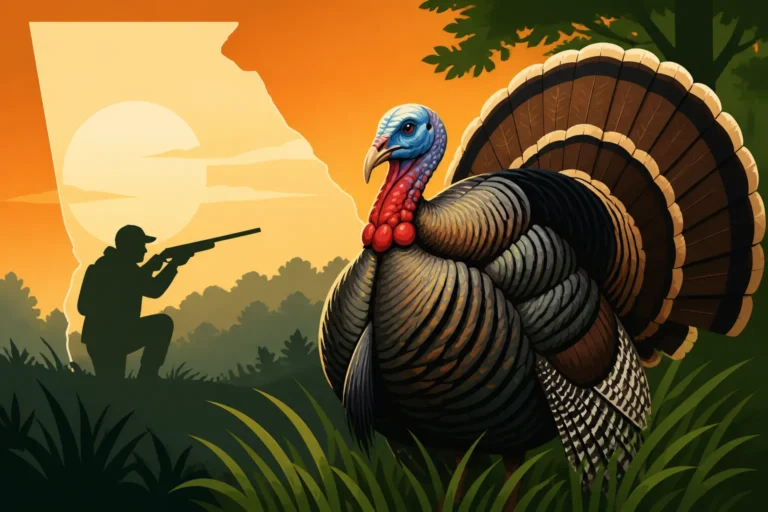
The wild turkey is a quintessential game bird in Georgia, bringing countless hunters into the spring woods each year. From the crisp mornings of the private land opener in March to the public land challenges of April and beyond, the pursuit of a thundering gobbler is a rite of passage for many. But what happens after the shot? How do all those individual harvests contribute to a larger understanding of the state's turkey population?
The Importance of Harvest Data
Harvest data isn't just a tally of successful hunts; it's a vital diagnostic tool for wildlife managers. By meticulously tracking the number of birds taken each year, where they're harvested, and even the hunter effort involved, the Georgia Department of Natural Resources (DNR) gains critical insights into population trends. Think of it like a doctor monitoring a patient’s vital signs. If harvest numbers decline significantly over several years, it signals a potential issue with the population, such as reduced reproduction, increased mortality, or habitat degradation. Conversely, stable or increasing numbers suggest a healthy, robust population. This information directly informs management decisions, from adjusting season dates and bag limits to implementing habitat improvement projects. It helps us understand the pulse of our wild turkeys.
Overall Trends in Georgia's Turkey Harvest
Looking at the broader trends in Georgia's turkey harvest reveals a dynamic story. Over the last few decades, Georgia, like many other states in the Southeast, has experienced fluctuations in its wild turkey population. Following significant restoration efforts in the mid to late 20th century, turkey numbers boomed, leading to some incredibly fruitful hunting seasons. However, recent years have seen a noticeable decline in many areas, prompting concern among hunters and wildlife biologists alike. This isn't a unique Georgia phenomenon; it's a regional trend. The harvest numbers reflect this, often showing a downward trajectory from peak years. This decline has been a major driver behind recent changes, like why Georgia dropped the turkey limit to two birds per season. It's a sobering reality, but one that underscores the need for continued monitoring and adaptive management.
Historical Context of Turkey Management
To truly grasp the current state of Georgia's turkey harvest, it's essential to understand the historical context of wild turkey management. At one point, wild turkeys were nearly extirpated from Georgia and much of the United States due to unregulated hunting and massive habitat loss. Starting in the mid-20th century, intensive trap-and-transfer programs, funded largely by hunters through excise taxes on firearms and ammunition, brought turkeys back from the brink. These efforts, combined with better habitat management and regulated hunting seasons, led to a remarkable recovery. Harvest numbers soared as populations expanded into new areas. The current challenges, therefore, are not a return to those dire conditions, but rather a new phase of management focused on sustaining populations that have arguably reached their carrying capacity in some areas, while facing new pressures. Understanding this journey helps us appreciate the fragility and resilience of these magnificent birds.
Dissecting the Data Georgia DNR Collects
Understanding the "how" behind the numbers is just as important as knowing the numbers themselves. The Georgia Department of Natural Resources (DNR) doesn't just guess; they employ a systematic approach to collect and analyze harvest data, providing valuable insights into the health of our wild turkey populations.
How Harvest Numbers Are Tracked
The primary method for tracking turkey harvest numbers in Georgia is through the mandatory reporting system known as Georgia Game Check. Every successful hunter is legally required to report their harvested turkey within 24 hours of taking the bird. This can be done online through the Go Outdoors Georgia website or app, or via phone. When reporting, hunters provide key information such as the date, county of harvest, whether it was public or private land, and the bird's sex and age (gobbler/jake). This data is compiled and aggregated by the DNR's wildlife biologists. It's an indispensable tool, creating a comprehensive database that helps managers track trends, assess the impact of hunting pressure, and make informed decisions about future regulations. Without this diligent reporting by hunters, the picture of Georgia's turkey population would be far less clear.
Public Versus Private Land Harvest Breakdowns
One of the most interesting aspects of the harvest data is the breakdown between public and private land. Generally, a vast majority of Georgia's turkey harvest occurs on private land. This isn't surprising, given the sheer amount of private property in the state and the often higher turkey densities found on well-managed private tracts. However, public lands, while often more challenging to hunt due to pressure and habitat, still contribute significantly to the overall harvest. The data allows the DNR to analyze success rates and turkey populations on Wildlife Management Areas (WMAs) and national forest lands, comparing them to the state average. For instance, data might show that while public land hunters might have lower overall success rates, specific WMAs or areas within the Chattahoochee-Oconee National Forest can still produce excellent gobblers. This breakdown helps the DNR tailor management strategies for different land types, ensuring both private landowners and public land hunters are considered.
Annual Reporting and What It Reveals
Each year, typically after the close of the spring season, the Georgia DNR releases detailed harvest reports. These reports are a treasure trove of information, providing breakdowns by county, region, season segment (e.g., private land opener versus public land opener), and even historical comparisons. They often include statistics like the number of hunters who participated, hunter success rates, and the total gobblers harvested. For example, recent reports have consistently highlighted counties in the Piedmont and Coastal Plain regions as top producers for wild turkeys, reflecting healthier habitat and higher populations in those areas compared to some parts of the North Georgia mountains. Analyzing these reports over time helps us understand long-term trends, identify potential problem areas, and celebrate conservation successes. If you're planning a trip, checking these reports can give you a better idea of which areas have higher turkey densities and better harvest opportunities, perhaps even guiding your scouting efforts. The GoHunt platform is also an excellent resource for accessing and visualizing some of this public data, helping hunters analyze trends before the season.
Below is a simplified table showing recent statewide gobbler harvest numbers in Georgia. Keep in mind that year-to-year fluctuations are normal and often influenced by a myriad of factors.
| Hunting Season | Total Gobblers Harvested | Number of Hunters | Hunter Success Rate |
|---|---|---|---|
| 2019-2020 | ~36,000 | ~52,000 | ~22% |
| 2020-2021 | ~34,500 | ~54,000 | ~20% |
| 2021-2022 | ~31,000 | ~53,000 | ~18% |
| 2022-2023 | ~29,500 | ~52,500 | ~17% |
| 2023-2024 | ~28,000 | ~51,000 | ~16% |
Note: These numbers are approximate and compiled from various Georgia DNR reports. Specific reporting methodologies may vary slightly from year to year, and final figures are subject to revision.
Key Factors Influencing Turkey Harvest Success
The number of gobblers tagged each spring isn't simply a matter of how many hunters hit the woods. It's a complex equation influenced by environmental conditions, biological factors, and even human behavior. Understanding these elements helps us appreciate the intricacies of turkey management.
Habitat Quality and Food Availability
At the heart of any healthy wildlife population is robust habitat. For wild turkeys, this means a mosaic of mature timber for roosting, open woodlands and fields for feeding, and dense cover for nesting and brood rearing. High-quality habitat provides abundant food sources, such as acorns, insects, and seeds, which are critical for the health and reproductive success of hens and the growth of poults. Areas with fragmented or poor-quality habitat will naturally support fewer turkeys, leading to lower harvest numbers. For example, extensive clear-cutting without proper reforestation or the conversion of diverse forests into monoculture pine plantations can severely limit turkey numbers over time. Conversely, ongoing efforts to restore longleaf pine savanna habitat or implement prescribed burns can significantly boost local turkey populations, which eventually translates to more birds available for harvest. Hunters often use tools like GoHunt to scout areas with optimal habitat characteristics.
Weather's Impact on Spring Seasons
Every spring turkey hunter knows just how much the weather can dictate a hunt. A warm, dry spring can lead to early breeding, more vocal gobblers, and easier hunting conditions, potentially bumping up harvest numbers. Conversely, a prolonged cold snap, heavy rains, or strong winds can make gobblers less active, mute their calling, and simply make it harder for hunters to be successful. Beyond the immediate impact on hunting conditions, weather plays a critical role in reproductive success. Wet, cold springs during the nesting and brooding periods can drastically reduce poult-to-hen ratios, as young turkeys are highly vulnerable to exposure and diseases in their first few weeks of life. A few consecutive years of poor nesting success due to adverse weather can lead to a noticeable dip in the number of jakes and two-year-old gobblers available for harvest a couple of years down the line, directly impacting Georgia Turkey Population Trends.
Predation and Disease Pressures
While often less visible, predation and disease exert significant pressure on turkey populations, indirectly affecting harvest numbers. Predators like coyotes, bobcats, raccoons, and opossums are always on the lookout for turkey nests, poults, and even adult birds. While predation is a natural part of the ecosystem, an imbalance – perhaps due to an overabundance of certain predator species or a lack of suitable escape cover for turkeys – can suppress population growth. Similarly, diseases like Avian Pox or Blackhead Disease, though not as widespread or deadly as some deer diseases, can impact local turkey health and survival. The health of a turkey population, in terms of its ability to withstand these pressures, directly correlates with how many birds are available to hunters each season. This is also why factors like a low poult-to-hen ratio are closely monitored, as they can signal underlying issues related to both predation and disease.
Hunter Effort and Participation Trends
Finally, the simple truth is that harvest numbers are also a function of hunter effort and participation. If fewer people go turkey hunting, or if those who do spend less time in the woods, the total harvest numbers will naturally decrease, even if the turkey population itself remains stable. Factors like economic conditions, time availability, access to land, and the perceived quality of hunting can all influence how many hunters are out there and for how long. For example, a season with reports of low gobbling activity might discourage some hunters, leading to reduced effort. Conversely, a highly anticipated season, perhaps after a few years of good hatches, could see increased hunter numbers and effort. It's also worth noting that changes to regulations, such as the timing of Georgia's Private-Land Turkey Opener versus the Public-Land Turkey Opener, can shift hunter effort and distribution across the state.
Regional Variations in Turkey Harvest
Georgia is a geographically diverse state, stretching from the rugged mountains of the north to the sprawling pine flats and swamps of the south. It stands to reason that turkey populations, and thus harvest numbers, vary significantly across these different regions.
North Georgia Mountain Zone Harvest
Hunting in the North Georgia Mountain Zone presents its own unique set of challenges and rewards. This region, characterized by steep terrain, dense forests, and often more fragmented agricultural areas, typically supports lower turkey densities compared to other parts of the state. However, the quality of birds found here can be exceptional, and a gobbler taken from these hills is truly earned. Harvest numbers in the mountains tend to be lower overall, reflecting the sparser population and the difficulty of the terrain, which naturally spreads hunters out. Success often hinges on specific tactics like reading a ridge for North Georgia deer, which also applies to turkey movement, and focusing on accessible creek bottoms or saddles where turkeys might concentrate. While total harvest might not be as high, dedicated mountain hunters often find consistent success by understanding the nuances of this challenging environment.
Piedmont Region Success Rates
The Piedmont region, which encompasses a large swath of central Georgia, often represents a sweet spot for turkey hunting. With a mix of hardwoods, agricultural fields, and suburban fringes, this area provides excellent habitat, leading to generally higher turkey densities than the mountains. Consequently, harvest numbers in the Piedmont tend to be robust. Hunters here often employ tactics like setting up on a Piedmont field edge, where gobblers are frequently seen strutting in the morning sun. The varied landscape allows for diverse hunting strategies, from run-and-gun tactics in timber to patient sits over food plots. The relative ease of access compared to mountainous terrain also contributes to higher hunter participation and, in turn, higher overall harvest figures. Many of the Best Georgia Counties for Turkeys are typically found within this productive belt, offering excellent opportunities for both seasoned and novice hunters.
Coastal Plain and Swamp River Bottom Harvest
Moving south into Georgia's vast Coastal Plain and the intricate swamp and river bottom ecosystems, turkey hunting takes on a different flavor. This region boasts some of the highest turkey populations in the state, particularly in areas with well-managed pine plantations, hardwood bottoms, and agricultural fields. The abundance of food and cover allows turkeys to thrive. Harvest numbers in the Coastal Plain, especially in counties renowned for their timber and agricultural lands, are consistently among the highest in Georgia. Hunters frequently encounter vocal birds in these areas, and tactics often involve adapting to the dense cover and water features, such as hunting a funnel between two swamps or focusing on early morning roost hunts along river corridors. The extended Southwest Georgia season can also contribute to harvest numbers in this region. While the humidity and bugs can be challenging, the sheer number of birds often makes it a highly productive area for dedicated turkey hunters.
Hunter Contributions and Ethical Harvesting
As hunters, we are not just consumers of a resource; we are also its most ardent conservationists. Our actions in the field, from reporting our harvests to adhering to regulations, directly impact the long-term health and sustainability of Georgia's wild turkey population.
The Role of Georgia Game Check
We've touched on it before, but it bears repeating: the Georgia Game Check system is utterly critical. Every time a hunter reports a harvested turkey, they contribute directly to the scientific data used by the DNR. Imagine if only a fraction of hunters bothered to report their kills; the data would be incomplete, misleading, and ultimately hinder effective management. The system is designed to be user-friendly, accessible via the Go Outdoors Georgia app or website, and it takes mere minutes to complete. It's more than just a legal requirement; it's a vital part of our social contract as hunters. By diligently reporting, we ensure that the DNR has the most accurate information possible to assess Georgia Turkey Harvest Numbers, track population trends, and make informed decisions about future seasons, ultimately benefiting all hunters.
Understanding Bag Limits and Regulations
Bag limits and season dates are not arbitrary rules; they are carefully crafted by wildlife biologists to ensure sustainable harvest rates and protect the breeding population. In Georgia, the current spring turkey bag limit is two gobblers per season, with a one-bird daily limit. This change was a direct response to concerns about declining turkey populations. Adhering strictly to these regulations is paramount. Taking more than the legal limit, hunting outside of legal hours, or harvesting hens during the spring season can have detrimental effects on local turkey populations, especially when multiple hunters ignore the rules. Understanding Georgia Spring Turkey Season Rules and Georgia Daily Turkey Bag Limit isn't just about avoiding a fine; it's about respecting the resource and ensuring that future generations have the same opportunities to chase gobblers. When in doubt, always consult the current Georgia Hunting Regulations Guide provided by the DNR.
Responsible Hunting Practices for Sustainable Populations
Ethical hunting goes beyond simply following the law. It encompasses a broader commitment to responsible practices that prioritize the health of the turkey population. This includes accurate shot placement to minimize wounded birds, avoiding over-pressuring specific areas, and giving hens and jakes a pass when possible to allow them to mature and contribute to the breeding pool. For example, some seasoned hunters choose to selectively harvest older, more mature gobblers, allowing younger jakes to survive another season or two. Thoughtful scouting and minimizing disturbance during the nesting season are also crucial. Hunting the public-land turkey opener can be a blast, but understanding how to minimize your impact and share the resource with others, as well as with the turkeys themselves, is key. By embracing these responsible hunting practices, we contribute not only to higher Georgia Turkey Harvest Numbers in the long run but also to the positive public perception of hunting as a conservation tool.
Looking Ahead: Management Strategies and Future Harvests
The future of Georgia's wild turkey population, and consequently its annual harvest, hinges on sound management strategies and the continued dedication of hunters and conservationists. It's a journey, not a destination, and adapting to new challenges is key.
Conservation Efforts and Habitat Improvement
To counter recent declines and bolster Georgia's turkey population, ongoing and new conservation efforts are essential. Habitat improvement is at the forefront of these efforts. This includes prescribed burning to create ideal bugging and nesting habitat, restoring native plant communities, managing forest succession to maintain diverse age classes of timber, and protecting critical riparian areas. Private landowners, often with assistance from organizations like the National Wild Turkey Federation (NWTF) or federal programs like the NRCS, play a massive role in implementing these large-scale habitat projects. On public lands, the Georgia DNR actively manages WMAs and works with the U.S. Forest Service on National Forests to optimize habitat for turkeys. These efforts directly influence factors like Poult-to-Hen Ratios and overall turkey health, which are strong indicators of future harvest potential. A healthier habitat means more birds, and more birds mean more opportunities for hunters in the long run.
Addressing Population Declines and Challenges
The observed declines in Georgia's turkey harvest numbers and overall population trends are a serious concern that wildlife managers are actively addressing. Beyond habitat work, this often involves a multi-pronged approach. Research into factors like nest predation and Georgia Turkey Hatches is ongoing to understand specific regional challenges. Regulatory adjustments, such as the reduction in the season bag limit, were implemented to reduce harvest pressure and allow more gobblers to contribute to the breeding population. Furthermore, studies on disease prevalence and the impact of climate change on turkey behavior and reproduction are continuously conducted. It's a dynamic field, and the DNR is committed to using the best available science to make decisions, even when those decisions are unpopular or require significant changes from traditional hunting practices. The collective goal is to stabilize and eventually grow the wild turkey population for sustained hunting enjoyment.
The Role of Hunters in Turkey Conservation
Ultimately, the future of Georgia's wild turkeys rests heavily on the shoulders of its hunters. Beyond reporting harvests and following regulations, hunters can be active participants in conservation. This includes joining and supporting organizations like the NWTF, which dedicate significant resources to turkey habitat and research. It also involves being proactive stewards of the land, whether it's your own property, a leased tract, or public land. This could mean helping with habitat projects, monitoring game camera data, or simply advocating for sound wildlife management policies. Hunters also play a crucial role in funding conservation through their license and tag purchases, as well as the federal excise taxes on hunting equipment. By understanding the bigger picture of Georgia Turkey Harvest Numbers and the underlying factors, we can all contribute to a thriving wild turkey population for generations to come.
Disclaimer
The information provided in this guide is for general informational purposes only and is not intended as legal advice. Hunting regulations, season dates, and bag limits are subject to change. Always consult the most current Georgia Department of Natural Resources (DNR) official hunting regulations before planning any hunting activity.