Georgia Falconry License Requirements
The world of falconry, with its deep historical roots and incredible connection between human and raptor, often seems shrouded in mystery and complex rules. For many aspiring falconers in Georgia, the initial hurdle isn't just finding a mentor or learning the ancient art; it's navigating the dense thicket of state and federal licensing requirements. This comprehensive guide aims to untangle those regulations, offering a clear path for anyone serious about pursuing this unique and profoundly rewarding endeavor in the Peach State.
The Allure and Profound Reality of Falconry in Georgia
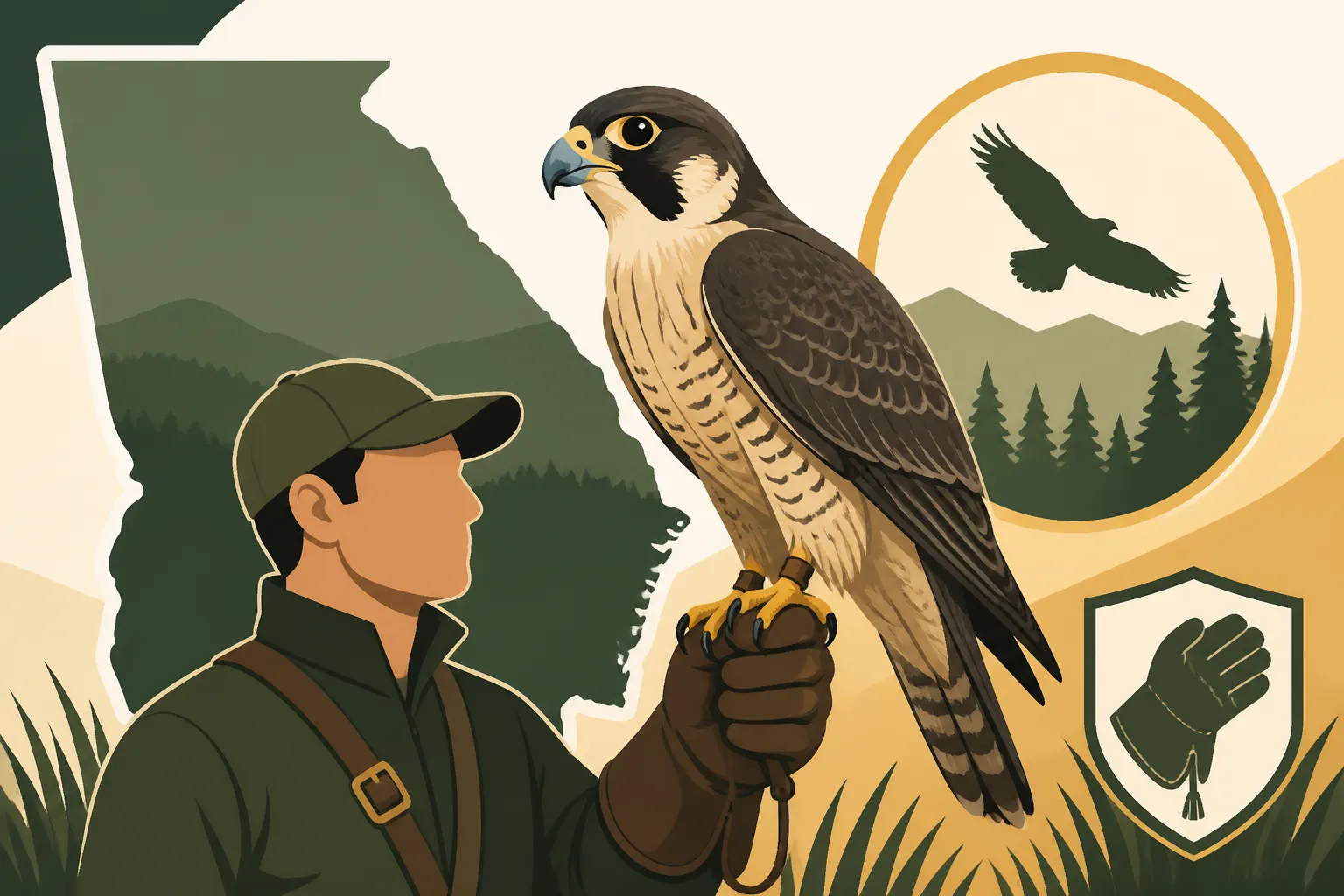
Falconry is far more than owning a bird of prey; it's a centuries-old hunting tradition that demands immense dedication, knowledge, and a deep respect for wildlife. Here in Georgia, as in the rest of the United States, it's a highly regulated activity designed to protect these magnificent birds and ensure the ethical pursuit of game. It's a lifestyle, not a hobby, and the journey to becoming a licensed falconer is a testament to that commitment.
Imagine spending countless hours training a Red-tailed Hawk, a creature of wild instinct, to hunt alongside you in the expansive pine forests of South Georgia or the rolling Piedmont fields. This isn't about domesticating a wild animal, but rather forging a partnership built on trust, respect, and a shared pursuit. The allure is undeniable, but the reality involves stringent requirements, significant financial investment, and a constant, unwavering commitment to the raptor's well-being. Many people dream of it, but few understand the true depth of responsibility involved before looking into the nitty-gritty of the permits. It's not just about what you can do, but what you must do for the bird.
More Than a Pet: The Ethical Core of Falconry
One of the most crucial distinctions to understand from the outset is that a raptor in falconry is not a pet. These are wild animals, and even when kept and trained, their wild nature remains. Falconers are essentially temporary custodians, responsible for the bird's health, safety, and natural hunting behaviors. This means providing appropriate housing, a suitable diet, constant health monitoring, and ample opportunity for the bird to fly and hunt.
The ethical framework of falconry is paramount. It’s built on conservation principles, ensuring that wild populations are not harmed and that individual birds receive the highest standard of care. This commitment is embedded in every license requirement, from the specifications for mews (raptor housing) to the need for continuous education and mentorship. Any deviation from these ethical standards can lead to severe penalties, underscoring the seriousness of the pursuit. Falconry offers a unique window into the natural world, but it requires diligent adherence to principles that prioritize the bird and the conservation of its species.
Georgia's Place in Falconry Tradition
Georgia has a rich natural landscape that supports a variety of raptor species suitable for falconry, from the ubiquitous Red-tailed Hawk to various species of falcons and accipiters. The state's diverse habitats, from coastal plains to mountainous regions, offer varied hunting opportunities, making it an attractive place for falconers. The Georgia Department of Natural Resources (DNR) works in conjunction with federal guidelines set by the U.S. Fish and Wildlife Service (USFWS) to manage falconry permits, ensuring a consistent and responsible approach across the nation.
Becoming a falconer in Georgia isn't just about obtaining a piece of paper; it's about joining a community that values conservation, education, and the preservation of an ancient art. It's a demanding path, but one that offers unparalleled rewards for those willing to commit to its rigorous standards.
Decoding Georgia's Falconry License Tiers
Just like climbing a mountain, the path to becoming an experienced falconer is tiered, with each level requiring more experience and demonstrating greater proficiency. Georgia, aligning with federal regulations, offers three distinct classes of falconry permits: Apprentice, General, and Master. Each class has specific requirements regarding age, experience, mentorship, and the types and numbers of raptors one can possess. This structured progression ensures that falconers gain knowledge and skill responsibly.
The Foundation: Apprentice Falconer Permit
The Apprentice Falconer permit is the entry point for anyone serious about the sport. It's designed to provide a supervised learning period, ensuring new falconers receive proper guidance before taking on more responsibility.
- Minimum Age and Mentorship: To apply for an Apprentice permit in Georgia, you must be at least 12 years old. Crucially, every Apprentice Falconer must have a sponsor—a General or Master Falconer—who will guide them through their initial two years. This mentor provides invaluable hands-on training, advice on raptor care, and instruction on hunting techniques. This isn't just a signature on a form; it's a commitment from an experienced falconer to impart their knowledge, similar to how an Georgia Apprentice Hunter License Rules requires close supervision. Without a committed mentor, the journey cannot begin.
- Raptor Species and Acquisition: Apprentice falconers are limited to specific, commonly available raptor species that are generally more forgiving for beginners. Typically, this includes American Kestrels (small falcons) or Red-tailed Hawks (large, versatile raptors). These birds must be wild-caught, meaning they are trapped using approved methods under a specific permit, or transferred from another licensed falconer. Purchasing raptors from breeders is generally not allowed at the Apprentice level for these species. The idea is to connect new falconers with the wild resource and learn sustainable practices.
- Facility Requirements: Before you can even acquire a bird, your facilities must pass an inspection by a Georgia DNR official. This includes a primary enclosure (mews) and a secondary outdoor enclosure (weathering area). The mews must be secure, escape-proof, provide adequate space for the bird to move freely, and protect against predators, weather, and theft. The weathering area must be partially covered, provide perches, and be robust enough to prevent escape. Specific dimensions, materials, and security features are outlined in the regulations. This facility inspection ensures the welfare of the bird from day one.
Advancing to General Falconer
After successfully completing two years as an Apprentice Falconer, demonstrating proficiency, and receiving a recommendation from their mentor, an individual can apply for the General Falconer permit. This signifies a significant step up in independence and demonstrated skill.
- Experience and Independence: To qualify, you must have actively practiced falconry, including hunting with your raptor, for at least two years while holding an Apprentice permit. The mentor's recommendation is vital, affirming your competence and ethical practices. At this level, the requirement for a mandatory mentor is lifted, though most falconers continue to seek advice and collaborate within the community.
- Expanded Raptor Choices: General Falconers have a broader range of raptor species they can possess, including certain species of accipiters (like Cooper's Hawks or Goshawks, which require more advanced handling skills) and larger falcons. They are typically allowed to possess up to three raptors simultaneously, offering more flexibility in their hunting endeavors.
- Continued Facility Standards: While the core facility requirements remain, General Falconers must continue to maintain their mews and weathering areas to the highest standards. Any changes or new enclosures would still be subject to inspection to ensure they meet the established guidelines for the welfare of the raptors.
The Pinnacle: Master Falconer
The Master Falconer permit represents the highest level of achievement and experience in the field, recognizing individuals with extensive knowledge, skill, and a deep commitment to falconry and conservation.
- Veteran Status: To become a Master Falconer in Georgia, you must have actively practiced falconry for at least five years as a General Falconer. This extensive experience ensures a profound understanding of raptor biology, training, husbandry, and hunting strategies across various species and conditions.
- Ultimate Flexibility (Within Limits): Master Falconers enjoy the greatest flexibility regarding the types and numbers of raptors they can possess, typically up to five birds. They can also acquire birds through more varied means, including breeding certain species, provided they adhere to all federal and state regulations. This allows for specialized pursuits and contributions to captive breeding programs.
- Leadership and Mentorship: Many Master Falconers take on the role of mentor for new Apprentice Falconers, passing on their vast knowledge and experience. They are often leaders within the falconry community, contributing to conservation efforts, education, and the ongoing responsible practice of the sport. It's a role of significant responsibility and respect.
Here's a quick overview of the distinctions:
| License Type | Minimum Age | Experience Required | Mentor Required | Raptors Allowed (Common Examples) | Federal/State Combined |
|---|---|---|---|---|---|
| Apprentice Falconer | 12 | None (supervised) | Yes | 1 Kestrel or Red-tailed Hawk (wild-caught) | Yes |
| General Falconer | 16 | 2 years as Apprentice | No (optional) | Up to 3 raptors (more species, including accipiters) | Yes |
| Master Falconer | 18 | 5 years as General | No | Up to 5 raptors (most species, strict rules apply) | Yes |
Navigating the Application and Compliance Journey
The application process for a Georgia falconry license, while thorough, is designed to ensure that every licensed falconer is knowledgeable, responsible, and prepared for the significant commitment involved. It’s not a simple online form, but a multi-step journey that tests your dedication long before you even hold a bird.
Initial Steps and Documentation
Before you even think about facilities or exams, you'll need to gather some fundamental documentation and understand the administrative process. The Georgia Department of Natural Resources (DNR) Wildlife Resources Division is your primary point of contact for state-level permits.
First, you'll need to secure your basic hunting privileges. While falconry is a specialized form of hunting, it still falls under the umbrella of regulated wildlife activities. This means you'll likely need to acquire your standard Georgia Hunting Licenses and What They Cost, including a Georgia Resident Hunting License or a Georgia Nonresident Hunting License, as applicable. Additionally, you will need to complete Georgia Hunter Education Requirements if you haven't already. While hunting with a raptor is different from hunting with a firearm, the principles of safety, ethics, and game laws are equally critical. Many falconers also participate in other forms of hunting, making these foundational licenses essential.
You'll need to formally apply to the Georgia DNR Wildlife Resources Division. This application will require personal details, information about your proposed mentor (for Apprentice applicants), and declarations regarding your understanding of falconry laws. Keeping track of deadlines and submission requirements is crucial, and resources like the GoHunt portal or the Georgia DNR website are excellent places to find up-to-date forms and instructions. These platforms are designed to help you navigate the bureaucratic side of things, but always double-check directly with DNR officials if you have any questions, as rules can occasionally be updated. Remember that the Georgia license year generally starts around April, so aligning your application timeline with the Georgia License Year Start Date can be helpful for annual renewals down the road.
Facility Requirements and Inspections
This is where the rubber truly meets the road. Before your application can move forward, a Georgia DNR wildlife biologist or game warden will need to inspect your proposed raptor housing facilities. This isn't a casual look-over; it's a detailed check to ensure your setup meets strict federal and state standards for safety, security, and welfare.
- The Mews: This is the primary indoor enclosure where your raptor will spend most of its time when not flying. Inspectors will look for several key features:
- Size: Adequate dimensions for the species you intend to keep, allowing the bird to spread its wings fully without touching the sides.
- Material: Durable, easy-to-clean, and safe materials that won't injure the bird. Walls are often solid, or if barred, the bars must be spaced to prevent injury or escape.
- Security: Predator-proof and escape-proof construction is paramount. This means secure locks on doors, reinforced wire or mesh, and protection from animals like raccoons, opossums, and even larger predators.
- Perches: Appropriately sized and textured perches that prevent foot problems, placed to allow for natural movement and comfort.
- Water: A consistent supply of fresh, clean water for bathing and drinking.
- Lighting and Ventilation: Adequate natural light or appropriate artificial lighting, along with good air circulation, without drafts.
- The Weathering Area: This is an outdoor enclosure, often adjacent to the mews, where the raptor can be safely tethered to a perch for fresh air and sunlight. Key inspection points include:
- Size and Protection: Large enough to prevent the bird from hitting any part of the enclosure when bating (flying off the perch). It must provide protection from direct sun, harsh weather, and predators.
- Perches and Tethering: Secure, appropriate perches and a safe tethering system that prevents entanglement or escape.
- Ground Cover: Often natural substrate, allowing for drainage and cleanliness.
The inspector will meticulously check every detail. Common pitfalls include inadequate security (a simple padlock often isn't enough), materials that could harm the bird (like exposed sharp edges), or insufficient space. Being prepared for this inspection by thoroughly reviewing the regulations and having your facilities ready is critical to avoid delays.
The Written Examination and Interview
Once your facilities are approved, the next significant hurdle is the written examination and, for Apprentice applicants, often an interview. This part of the process evaluates your theoretical knowledge and your commitment to the practice.
- The Written Exam: This is a comprehensive test covering a broad range of topics essential to responsible falconry. Expect questions on:
- Raptor Biology and Identification: Recognizing different species, understanding their anatomy, physiology, and natural behaviors.
- Diseases and First Aid: Knowledge of common raptor ailments, preventative care, and emergency procedures. You might also encounter questions related to Georgia Wildlife Disease Monitoring and how it applies to wild-caught birds.
- Training and Handling: Techniques for manning, conditioning, and training a raptor for hunting.
- Equipment: Proper use and maintenance of jesses, leashes, bells, telemetry, and other essential falconry gear.
- Laws and Regulations: A deep understanding of both federal and state falconry laws, including permit requirements, capture methods, and reporting obligations. You must know what game can be legally hunted with a raptor, and which Game You Cannot Hunt in Georgia.
- The Interview (Apprentice Level): For Apprentice applicants, an interview with a DNR official, and sometimes your prospective mentor, is often part of the process. This isn't just about answering questions from a book; it's about demonstrating your passion, understanding the time commitment, and proving you have a realistic grasp of what falconry entails. They want to ensure you're not just captivated by the romantic idea but ready for the daily grind and profound responsibility. Questions might delve into your motivation, your support system, and how you plan to balance falconry with other life responsibilities.
Passing both the exam and the inspection, along with a successful interview, is the final gateway to receiving your initial falconry permit.
Responsible Falconry: Ethics, Care, and Ongoing Commitment
Obtaining a falconry license in Georgia is a monumental achievement, but it's truly just the beginning of a lifelong journey. The real work, and the profound rewards, come from the daily commitment to your raptor, the ethical practice of the sport, and continuous learning. Falconry is an ongoing responsibility that demands unwavering dedication to the bird's well-being and strict adherence to the law.
Raptor Care and Welfare: A Daily Endeavor
The health and happiness of your raptor are your paramount responsibility. This isn't a 9-to-5 commitment; it's a 24/7 one.
- Daily Health Checks: Every day, sometimes multiple times a day, a falconer must observe their bird closely. This includes checking the feet for sores (bumblefoot), examining feathers for damage, monitoring the crop (where food is stored after eating), and assessing overall demeanor. Any changes can be indicators of illness or stress, and early detection is crucial. Should you notice severe illness or injury, knowing how to contact the proper authorities for Reporting a Sick Animal in Georgia wildlife is a responsible action.
- Weight Management: A raptor's hunting performance and health are intimately linked to its weight. Falconers meticulously monitor their bird's weight, adjusting food intake based on activity levels, weather, and hunting success. Too heavy, and the bird may lose motivation to hunt; too light, and its health can suffer. This delicate balance requires constant attention and deep understanding.
- Diet and Nutrition: Raptors require a specific diet of whole prey animals, such as mice, rats, quail, or chicks. Providing a balanced, high-quality diet is essential for their nutritional needs. This often means sourcing reputable suppliers and ensuring the food is fresh and pathogen-free.
- Environmental Enrichment: Beyond the mews and weathering area, raptors need mental and physical stimulation. This means regular flying, hunting, and interaction with their falconer. A bored or under-exercised bird can develop behavioral problems or health issues.
This level of care is far beyond what a typical pet requires and underscores the specialized knowledge falconers must possess and continually refine.
Legal Compliance and Reporting Requirements
Falconry is a privilege, not a right, and it comes with stringent legal obligations to ensure the conservation of raptor populations and the ethical treatment of individual birds. Ignoring these rules can lead to severe consequences, including significant fines and the loss of your license, as outlined in Georgia Wildlife Violation Penalties.
- Annual Renewals and Permitting: Your falconry permit, like many other specialized licenses, requires annual renewal. This often involves submitting updated information to the Georgia DNR and possibly paying a fee. Missing renewal deadlines can lead to lapsed permits and the inability to possess your raptor legally.
- Reporting Lost Birds: If your raptor is lost during a flight, you are legally obligated to report it to the DNR within a specified timeframe. This helps authorities track wild populations and potentially recover lost birds. Similarly, if you recover a bird, or it passes away, these events must also be reported.
- Banding and Telemetry: All wild-caught raptors used in falconry must be fitted with a seamless band, typically provided by the USFWS, for identification. Many falconers also use telemetry units (small radio transmitters) attached to their birds to aid in recovery should the bird fly out of sight during a hunt. These measures are crucial for responsible management and compliance.
- Adherence to Hunting Regulations: When hunting with your raptor, you must adhere to all applicable state and federal hunting regulations for the game you pursue. This includes season dates, bag limits, and legal methods. While you're hunting with a bird, you're still a hunter in the eyes of the law, and that often means holding a valid Georgia Migratory Bird Certification if hunting migratory game birds with your raptor. The GoHunt platform can be a valuable tool for staying current on all these varied regulations and ensuring you're always in compliance.
The Role of Mentorship and Community
Even after an Apprentice Falconer has advanced to the General or Master level, the spirit of mentorship and community remains incredibly strong and important.
- Continuing Education: Falconry is an art passed down through generations. Experienced falconers continuously learn from each other, attend workshops, and share knowledge about new training techniques, raptor health, and conservation efforts. The Georgia Falconry Association, for example, is a vital resource for connecting with other falconers, sharing experiences, and staying informed.
- Mentorship for Future Falconers: Many Master and General Falconers take on the role of mentor, guiding new Apprentices through their journey. This tradition ensures the ethical standards and deep knowledge of falconry are preserved and passed on. It's a way to give back to the sport and foster the next generation of responsible falconers.
- Conservation and Advocacy: Falconers are often deeply involved in raptor conservation efforts, participating in research, rehabilitation, and public education. Their unique understanding of birds of prey makes them valuable advocates for wildlife and natural habitats.
In essence, a Georgia falconry license is more than a permit; it's an invitation into a dedicated community and a profound commitment to the natural world. It demands patience, diligence, and a genuine love for raptors, offering a connection to wildlife that is truly unparalleled.
Disclaimer
The information provided in this guide is for general informational purposes only and does not constitute legal advice. While we strive to be accurate and up-to-date, hunting and falconry regulations in Georgia and at the federal level can change. Always consult the official Georgia Department of Natural Resources (DNR) Wildlife Resources Division website, federal regulations, and contact local wildlife authorities for the most current and specific information regarding falconry license requirements and regulations before engaging in any falconry activities.