Georgia Turkey Checking Requirements
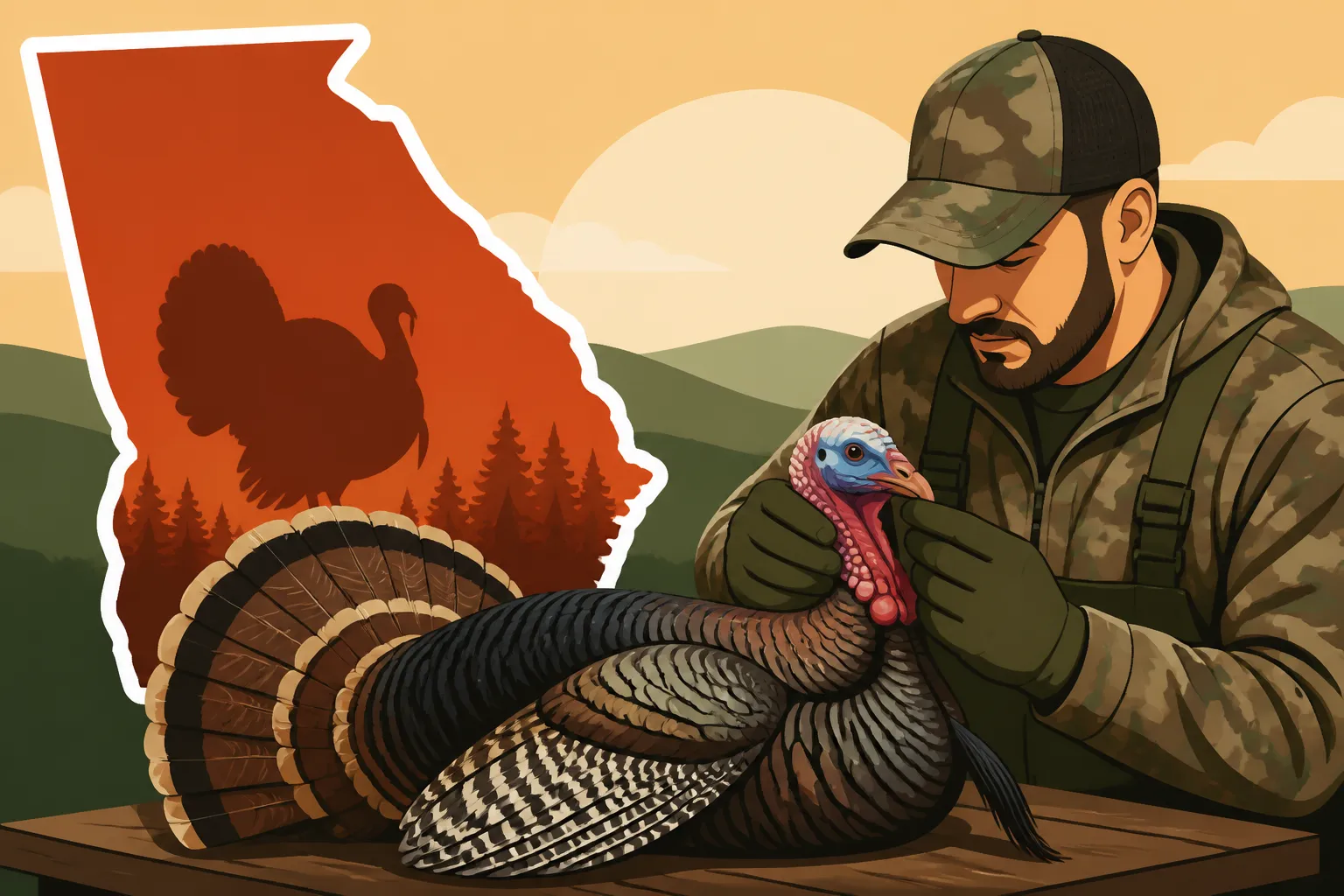
There’s nothing quite like the thrill of a Georgia gobbler responding to your call, the crisp morning air, and the satisfying moment when all your hard work comes together. But once the feathers are ruffled and the bird is on the ground, a different kind of task begins: understanding and fulfilling your turkey checking requirements. It's easy to get caught up in the excitement, or even the exhaustion, after a successful hunt, and overlook this crucial step, but it's a non-negotiable part of being a responsible hunter in our state. This guide will walk you through exactly what you need to know and do to properly report your Georgia wild turkey harvest, ensuring you stay legal and contribute to vital conservation efforts.
Why Reporting Your Turkey Harvest Matters So Much
You might be wondering, "Why do I have to report every single bird? Isn't just buying a license enough?" And believe me, that's a common question, especially after a long morning chasing a wary longbeard. But the truth is, every single turkey harvest reported contributes to a massive, ongoing effort to understand and manage Georgia's wild turkey population. It's not just red tape; it's the backbone of sustainable hunting for future generations.
The Role of Data in Wildlife Management
Think of it this way: the Georgia Department of Natural Resources (DNR) relies on real, quantifiable data to make informed decisions about hunting seasons, bag limits, and habitat management. When you report your turkey, you're essentially providing a data point. Multiply that by thousands of hunters across the state, and the DNR gets a remarkably clear picture of harvest trends, population health, and geographical distribution. This information helps them identify areas where turkey populations might be struggling or thriving. For example, knowing the number of birds taken in specific counties helps guide decisions like the recent adjustments to the statewide bag limits, as seen when Georgia cut the Turkey Bag Limit to Two. Without accurate reporting, the DNR would be flying blind, and that could lead to overharvesting in some areas or missed opportunities to improve populations in others.
It's a collective responsibility. Every time you submit those details – the date, the county, the sex of the bird, its spur and beard lengths – you're helping biologists understand poult-to-hen ratios and overall flock health. This data directly influences the length of the season, the daily limits, and other regulations, all designed to ensure that we have healthy turkey populations for years to come. It’s part of the bigger picture of wildlife management that extends beyond just turkeys, impacting everything from deer to waterfowl.
Ensuring Fair Chase and Ethical Hunting Practices
Beyond the scientific data collection, harvest reporting also plays a vital role in upholding the principles of fair chase and ethical hunting. It introduces an element of accountability that helps prevent abuses and ensures everyone is playing by the same rules. Let's be honest, hunting can sometimes attract individuals who might try to bend or break the rules. A mandatory reporting system helps to deter illegal activities, like taking more birds than allowed by the Georgia Spring Turkey Bag Limit or hunting outside of established seasons.
When every hunter knows they need to report their harvest, it fosters a culture of transparency. It reinforces that hunting is a privilege, not a right, and that responsible stewardship of our natural resources is paramount. It also helps to ensure that harvest data from specific managed areas, like those encountered when Hunting the Georgia Public-Land Turkey Opener, are accurate, preventing localized overharvesting that could severely impact local populations. This accountability helps maintain public trust in hunters and preserves the integrity of our cherished hunting traditions.
Your Step-by-Step Guide to Checking Your Georgia Turkey
Okay, so you've sealed the deal on a gobbler. Congrats! Now, let's talk about the practical side of reporting. It might seem daunting at first, especially if you're new to turkey hunting or if it's been a while since you've had a successful spring. But Georgia's system is pretty straightforward once you know the ropes. You have a few convenient options for getting that bird checked in.
Online Reporting Through Go Outdoors Georgia
For many hunters, the easiest and most preferred method is reporting online through the official Georgia Game Check website, which is part of the broader Go Outdoors Georgia platform. This system is designed to be user-friendly, and you can access it from your phone, tablet, or computer.
Before you even head out to the woods, it's a good idea to bookmark the Go Outdoors Georgia website or have the link handy. When you successfully harvest a turkey, you’ll navigate to the "Game Check" section. You'll need your customer ID (found on your hunting license) or your date of birth, and your last name to log in. Once you're in, the system will prompt you for a series of details about your harvest. This is where having all your information ready makes a huge difference. While a platform like GoHunt is fantastic for scouting, marking waypoints, and tracking your personal hunt progress, remember that the official reporting must be done through the Georgia DNR's system. Think of GoHunt as your personal field journal and planning tool, and Go Outdoors Georgia as the official ledger.
The online portal will guide you through entering the date and time of harvest, the county where you harvested the bird, and details about the turkey itself – whether it's a male or female, and then specific measurements like spur length, beard length, and the bird's weight. Having a small scale and a tape measure in your pack is a smart move for this very reason. It sounds like a lot, but it usually takes just a few minutes to complete the process. Once submitted, you'll receive a confirmation number, which you should keep for your records. This confirmation is your proof that you've fulfilled your legal obligation.
Reporting Via Phone or Mobile App
For those who might not have reliable internet access in the field, or simply prefer another method, Georgia DNR also offers phone reporting and a dedicated mobile app.
The "Outdoors GA" mobile app is available for both iOS and Android devices. It's essentially a portable version of the Go Outdoors Georgia website, allowing you to report your harvest directly from your smartphone, even if cell service is spotty (it can often cache data and upload later when service is restored). It’s incredibly convenient if you’re deep in the woods or just don’t want to mess with a computer after a hunt. Just like the website, you'll log in with your customer ID or personal details and follow the prompts to input your turkey's information. It's a lifesaver when you're done Calling a Georgia Gobbler Off the Roost and need to report before you head home.
If technology isn't your friend, or if you're in an area with absolutely no cell service, you can also report your harvest by calling the Georgia DNR directly. The number for harvest reporting is typically found on your hunting license or on the Go Outdoors Georgia website. A live operator will walk you through the necessary questions, gather all the same information you'd enter online or via the app, and provide you with a confirmation number. While less common these days with the prevalence of smartphones, it's a crucial backup option that ensures every hunter can comply with the regulations.
Key Information You'll Need to Provide
Regardless of which method you choose—online, app, or phone—you’ll need to have specific information ready. It’s a good idea to have a small notepad and pen, or use a note-taking app on your phone, to jot these down immediately after the harvest.
Here’s a checklist of the essential details:
| Information Category | Specifics Required | Notes |
|---|---|---|
| Hunter Details | Hunter's Name | Full legal name |
| Georgia Hunting License Number or Customer ID | Crucial for identifying you in the system | |
| Harvest Details | Date of Harvest | Exact date the turkey was taken |
| Time of Harvest (approximate) | No need for exact seconds, just closest hour/half-hour | |
| County of Harvest | The specific Georgia county where the bird was harvested | |
| Turkey Details | Species | Wild Turkey (usually pre-selected) |
| Sex of the Animal | Male (gobbler) or Female (hen) | |
| Spur Length (for gobblers) | Measured from the base of the spur to its tip (in inches) | |
| Beard Length (for gobblers) | Measured from the base of the beard to the longest fiber (in inches) | |
| Weight (optional but highly recommended for data) | Many hunters estimate if a scale isn't available, but actual weight is best |
Having these details organized will make the reporting process smooth and quick. It's also worth noting that while some details might seem excessive, like spur and beard length, they offer invaluable insights into the age structure and overall health of the male turkey population, contributing directly to Georgia Turkey Population Trends data.
Understanding Turkey Checking Deadlines and Potential Penalties
You’ve got your bird, you know how to report it, but when do you need to get it done? This is where many hunters, especially those new to the game or those celebrating a successful hunt away from home, can sometimes slip up. Knowing the deadlines and the consequences of missing them is vital for staying on the right side of Georgia hunting law.
The Critical Window for Reporting Your Harvest
Georgia law is very clear: all harvested deer and turkey must be reported to the Georgia Department of Natural Resources (DNR) within 24 hours of harvest. This isn't just a suggestion; it's a legal requirement. Furthermore, this reporting must occur prior to processing or transporting the animal greater than eight hours from the county of harvest. This means you can't just throw the bird in the cooler, drive three hours home, and then remember to report it a day later. The intent is to ensure that the reporting happens close to the point of harvest and before the animal is significantly altered or moved long distances.
Imagine you're hunting in South Georgia and have a long drive back to Atlanta. You drop a big gobbler early in the morning. You field dress it, take your pictures, and get it on ice. Even with the excitement, you need to make sure you get that report submitted before you hit the road for an extended trip. If you're on a multi-day hunt and staying in a cabin, make sure you carve out time each evening to report any harvests from that day. This process is similar to what's required for big game like deer, where Reporting a Deer Through Georgia Game Check also has strict timeframes. Don't let the thrill of a successful hunt distract you from this essential step.
Consequences of Non-Compliance
So, what happens if you forget, or if you intentionally choose not to report your turkey harvest? The consequences can range from a minor inconvenience to serious legal trouble. Failing to report a harvested turkey is a violation of Georgia hunting regulations, and it can result in citations, fines, and potentially even the suspension of your hunting privileges.
The exact penalty can vary depending on the circumstances, the discretion of the wildlife law enforcement officer, and whether it's a first offense. However, typical fines for minor infractions can run into hundreds of dollars. Beyond the financial hit, having a hunting violation on your record can be a major headache and can even affect your ability to purchase licenses or participate in quota hunts in the future. It’s simply not worth the risk. A few minutes spent reporting your harvest correctly can save you a lot of grief down the road. Remember, adherence to rules, including simple reporting, is part of being a responsible hunter and helps maintain the respect for our hunting heritage, something taught in any Georgia Hunter Education Requirements course.
Common Questions and Troubleshooting for Turkey Checking
Even with the best intentions, things can sometimes go awry. Maybe your phone battery dies, the website crashes, or you're just utterly confused about a specific detail. It happens to the best of us! Knowing how to troubleshoot these issues can save you a lot of stress in the moment.
What to Do If You Encounter Technical Difficulties
We've all been there: you've got a fantastic Wi-Fi signal at home, but as soon as you step into the woods, your cell service drops to zero. Or perhaps the Go Outdoors Georgia website is undergoing maintenance at the exact moment you need to report. Don't panic!
If you're having trouble with the website or app due to connectivity issues, try moving to an area with better reception, if possible. If you're still stuck, remember the phone reporting option. Having that number saved in your contacts (or even written down on a physical card in your wallet) is a great backup. If you suspect the issue is with the DNR system itself (e.g., website down for maintenance), try again in a little while, but do not wait past your 24-hour window. If the deadline is approaching and you absolutely cannot report online or via the app, the phone call becomes your most reliable option.
For general questions or if you encounter a persistent technical glitch that isn't solved by the usual troubleshooting, contacting the Georgia DNR directly during business hours is always a good idea. They can provide guidance and potentially help you manually process your report if necessary. While tools like GoHunt are invaluable for pre-season scouting and finding those promising spots for Turkey Tactics for Piedmont Field Edges or setting up in specific areas, they aren't equipped to handle official state harvest reporting, so always revert to the official DNR channels for that critical step.
Special Scenarios and Considerations
Hunting doesn't always go by the book, and sometimes unique situations arise.
- Youth Hunts: If you're mentoring a young hunter during a special event like The Georgia Youth Turkey Weekend, remember that the youth hunter's license number will be used for the report, even if you, as the mentor, are overseeing the process. It's their harvest, and it contributes to their hunting record and the state's data.
- Out-of-State Hunters: Non-resident hunters have the same reporting requirements as Georgia residents. Ensure you have your non-resident license number handy and understand the Georgia Spring Turkey Season Rules before you arrive.
- County Boundaries: Sometimes, the exact county line can be a little fuzzy, especially if you're hunting near a border. Using mapping apps that show county lines (many hunting apps offer this feature) can help you confirm the precise county where your bird was taken. It’s crucial to be as accurate as possible here, as county-level data is essential for localized wildlife management.
- Lost Confirmation Number: If for some reason you lose your confirmation number after reporting, don't fret. You can usually log back into the Go Outdoors Georgia system or contact the DNR, and they can help you retrieve it. It's always best to jot it down or take a screenshot immediately after submission.
Ultimately, being prepared, knowing your options, and understanding the regulations for things like the Georgia Daily Turkey Bag Limit are your best defenses against potential headaches. A little planning goes a long way in ensuring a smooth and successful end to your Georgia turkey hunt.
Disclaimer
The information provided in this guide is for general informational purposes only and is not intended as legal advice. Hunting regulations can change, and it is the hunter's sole responsibility to consult the most current Georgia Department of Natural Resources (DNR) regulations and laws before participating in any hunting activity. Always confirm current rules and requirements directly with the Georgia DNR.