Georgia Landowner Deer Permit Rules
Hunting on your own property in Georgia sounds like the dream, doesn't it? Yet, navigating the specific rules and regulations around landowner deer permits can feel surprisingly complicated, often leading to confusion about what you can actually do on your own land or allow others to do. This guide aims to demystify Georgia's landowner deer permit rules, helping you understand your rights and responsibilities so you can make the most of your hunting season, whether you're a landowner yourself or looking to hunt on private land.
Who Qualifies as a Landowner for Deer Hunting in Georgia?
First things first, let's clear up what Georgia law considers a "landowner" when it comes to hunting deer. It might seem obvious, but there are nuances that can make a big difference in how you manage hunting on your property. This isn't just about owning a few acres; it's about the type of land and how you interact with it.
Defining "Landowner" and Property Requirements
In Georgia, a "landowner" for hunting purposes is generally someone who owns, or whose immediate family member owns, the deeded property. This includes property owned by an individual, a family partnership, or a family corporation. The key here is deeded ownership. If you've just bought a piece of land on a land contract and haven't closed yet, you might not fully qualify as the "landowner" until the deed is in your name.
The Georgia Department of Natural Resources (DNR) wants to ensure that these special landowner privileges are truly for those with a vested interest in the land's management, not just casual visitors. Generally, if you own 5 acres or more, you are considered eligible for these specific landowner exemptions and permits. This acreage threshold helps prevent abuse of the system, ensuring the spirit of private land management is maintained. It's not uncommon for folks to assume that simply leasing land qualifies them for all landowner privileges, but that's typically not the case under Georgia law for these specific deer permits.
Farm vs. Non-Farm Land and Leaseholders
It's a common misconception that all land is treated equally under the permit system. While many provisions apply broadly, there can be subtle differences depending on whether your property is primarily agricultural. For example, farmers dealing with significant crop damage from deer often have additional avenues for deer management, like obtaining a special nuisance permit, which goes beyond the standard recreational hunting permits. This highlights Georgia's realistic approach to wildlife management, acknowledging the very real economic impact deer can have on agricultural operations.
For leaseholders, the situation is different entirely. If you're leasing land for hunting, you are generally considered a "hunter" in the eyes of the law, not the "landowner." This means you'll need to purchase standard Georgia Resident Hunting License Options or non-resident licenses, along with the appropriate big game licenses and deer tags. You won't automatically receive the extra antlerless tags or other specific landowner perks. However, a landowner can grant you permission to hunt on their property, and if they have extra antlerless tags through their landowner privileges, they can sometimes allocate those to hunters on their property, though careful record-keeping is critical. The primary benefit of a lease for a hunter is guaranteed access, not a change in their licensing requirements.
Understanding the Georgia Landowner Deer Permit System
Now that we know who qualifies, let's dive into the specifics of the permits themselves. Georgia’s system is designed to give landowners flexibility in managing the deer herd on their property, especially when it comes to antlerless deer, which are crucial for population control. This can be a real game-changer for folks trying to balance deer numbers with habitat health or agricultural concerns.
General Landowner Deer Tags
One of the most valuable aspects of being a qualifying landowner in Georgia is the ability to obtain special antlerless deer tags. Beyond the statewide bag limit of Georgia's Twelve-Deer Bag Limit (which includes two antlered bucks), landowners can often get additional antlerless tags for their property. These extra tags are specifically for antlerless deer harvested on their own land. This is incredibly helpful for managing localized deer populations, particularly in areas where deer numbers are high and impacting timber regeneration or crop yields.
These tags are typically available through the Georgia DNR's online system, often referred to as "Go Outdoors Georgia." When you log into your Go Outdoors Georgia account, you'll find options tailored to landowners. It’s important to remember that these tags are in addition to your personal statewide deer tags. The idea is to empower landowners to be active participants in wildlife management, encouraging them to harvest more does to keep the herd in check. This system recognizes that deer management needs to be adaptive and locally responsive, and landowners are on the front lines of that effort.
Antlered and Antlerless Deer Tag Rules for Landowners
While landowners do get additional flexibility with antlerless tags, the statewide limit on antlered bucks still applies. In Georgia, hunters are generally limited to two antlered bucks per season, regardless of whether they are a landowner or not. This rule applies to everyone to promote a healthy buck age structure across the state. The landowner permits primarily focus on increasing the harvest of antlerless deer.
For antlerless deer, the landowner system significantly expands opportunities. For instance, a landowner might be eligible for a certain number of additional antlerless tags per property, or per certain acreage thresholds, which are specified by the DNR. These tags are crucial for meeting personal hunting goals or allowing family and friends to harvest additional deer on the property. Imagine having a healthy deer population on your land but struggling to keep the numbers balanced; these tags provide a direct tool to achieve that. When considering how many deer you can take, always refer to the most current regulations on the Georgia DNR website or through your Go Outdoors Georgia account. The rules for How Many Antlerless Deer You Can Take can be quite generous for landowners, reflecting the state's focus on herd control through doe harvest.
Harvest Reporting Requirements
Just like any other hunter in Georgia, landowners are required to report their deer harvests. This is a non-negotiable part of the system and is vital for the DNR to gather accurate data on deer populations and hunting success. Whether you're using a standard tag or one of your special landowner antlerless tags, every deer taken must be reported through the Georgia Game Check system.
The easiest way to do this is through the Go Outdoors Georgia website or their mobile app. You'll need to report the harvest within 72 hours of taking the deer, or before it is processed or leaves the state. This data helps the DNR make informed decisions about future hunting seasons and bag limits. Failing to report a harvest can lead to penalties, so it’s essential to be diligent. It's a simple process, usually involving entering a few details about the deer (sex, date, county of harvest) and confirming which tag was used. This ensures that even though you have special permits, the accountability for managing the resource remains consistent across all hunters.
Here's a quick overview of some key aspects for landowners:
| Feature | General Hunter (non-landowner) | Qualifying Landowner |
|---|---|---|
| License Required | Yes | Yes (for personal use, unless fully exempt) |
| Big Game License | Yes | Yes |
| Antlered Buck Limit | 2 per season statewide | 2 per season statewide |
| Standard Antlerless | Varies by zone/season | Varies by zone/season |
| Additional Antlerless | None | Often available through special landowner permits |
| Harvest Reporting | Mandatory for all deer | Mandatory for all deer (including special permits) |
| CWD Zone Rules | Apply fully | Apply fully (carcass movement, mandatory testing in some cases) |
Practical Considerations for Landowners and Hunters
Beyond the permits themselves, there are several practical aspects that landowners need to consider when managing hunting on their property, especially if they plan to host others. These considerations range from the application process to specific rules regarding carcass movement, all of which contribute to a safe and legal hunting environment.
Applying for Landowner Permits
The process for applying for Georgia landowner deer permits is typically done online through the Go Outdoors Georgia platform. This is the same system where you'd buy your regular hunting licenses. You'll usually need to have your property details registered, and the system might ask for parcel IDs or acreage information to verify eligibility. It's a fairly straightforward process, but it does require attention to detail to ensure everything is correct.
The application window is generally open well before the season begins, so it's a good idea to apply early to avoid any last-minute rushes or technical glitches. Once approved, the additional tags will usually be added to your electronic license profile. Keep a digital or physical copy of your license and permits on hand when hunting. Even if you're managing a larger property, taking the time to correctly navigate GoHunt and other DNR resources ensures you're fully compliant and can utilize all the available management tools.
CWD Area Rules and Carcass Movement
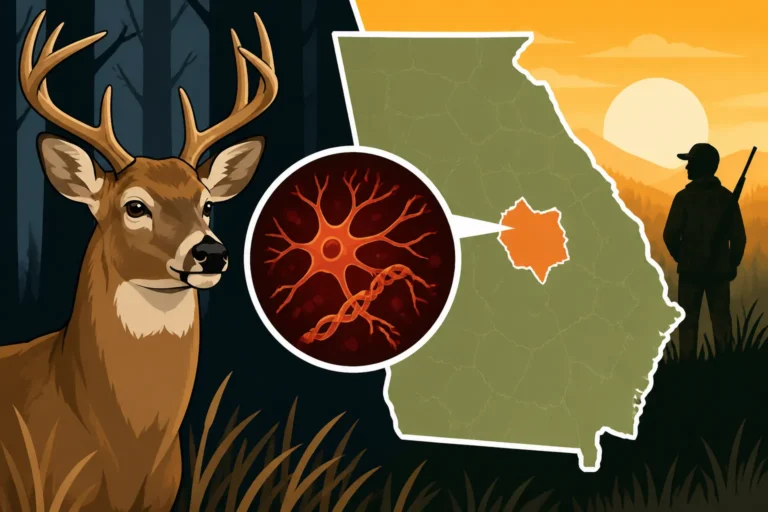
A critical, and often frustrating, modern consideration for any hunter in Georgia, especially landowners, is the presence of Chronic Wasting Disease (CWD). Following Georgia's first detection of CWD, specific regulations have been put in place for a designated CWD Management Area (CMA). If your property, or the property you're hunting, falls within this area, there are strict rules about moving deer carcasses out of the zone and mandatory testing requirements.
You cannot move certain parts of a deer carcass (like the brain, spinal cord, or lymph nodes) out of the CMA without specific processing. This is a very real frustration for hunters who might live outside the zone but hunt within it. Landowners within the CMA need to be especially aware of these rules, as they apply to every deer harvested on their land. Make sure you know Which Counties Sit Inside Georgia's CMA and understand the implications. Failure to comply can result in serious penalties, and it’s all aimed at preventing the spread of this devastating disease to other parts of the state's deer herd. Landowners often have a greater vested interest in maintaining healthy deer populations, so adherence to these rules is paramount.
Granting Permission and Guest Hunters
As a landowner, you have the authority to grant permission for others to hunt on your property. This is where a clear understanding of Georgia Trespass and Permission Law comes into play. While you don't necessarily need written permission for someone to hunt on your owned land in Georgia, it is highly, highly recommended. A simple written note with dates, names, and your signature can prevent any misunderstandings or legal issues, especially if local law enforcement needs to verify access.
When you invite guest hunters, they will still need their own valid Georgia hunting licenses and big game licenses. Your special landowner antlerless tags are typically for your use or use by your immediate family unless specified otherwise by DNR. If you choose to share your additional antlerless tags with a guest, you must ensure it’s done legally and that the guest properly reports the harvest under your landowner tag number if applicable, or their own if they're using their standard tags. This requires good communication and careful tracking, ensuring everyone understands the rules. Many landowners find that using mapping tools like GoHunt can help clearly define hunting boundaries and access points for their guests. Ensuring clear rules and expectations for guest hunters is essential for a smooth and safe season for everyone involved in Getting Private Land Permission in Georgia.
Final Thoughts on Responsible Land Management
Managing hunting on your private land in Georgia is a privilege that comes with significant responsibility. By understanding the Georgia landowner deer permit rules, you’re not just ensuring legal compliance; you’re actively contributing to healthy deer populations and sustainable hunting practices across the state. Whether it's accurately reporting your harvests, educating your guests on CWD regulations, or simply staying informed through resources like the Georgia DNR website and platforms like GoHunt, your role as a landowner is critical. This approach ensures that future generations will also have the opportunity to enjoy the rich hunting heritage that Georgia offers.
Disclaimer
The information provided in this guide is for general informational purposes only and does not constitute legal advice. Hunting regulations and laws can change frequently. Always consult the official Georgia Department of Natural Resources (DNR) regulations and local ordinances for the most current and accurate information before engaging in any hunting activities.