Mandatory Testing Inside Georgia’s CMA
Navigating the world of deer hunting regulations in Georgia can feel like trying to untangle a stubbornly knotted fishing line, especially when new challenges like Chronic Wasting Disease (CWD) emerge. It’s frustrating trying to keep up with what’s required of you, where to go, and why it all matters. This guide is here to cut through the confusion, offering a deep dive into the mandatory CWD testing protocols within Georgia's designated Chronic Wasting Disease Management Area (CMA) so you can hunt with confidence and comply with critical wildlife health initiatives.
Understanding Georgia's CWD Management Area (CMA)
When a silent threat like Chronic Wasting Disease is confirmed in a new area, it sends ripples of concern through the hunting community and wildlife agencies alike. Georgia, like many other states, has taken proactive steps to monitor and manage this serious neurological disease that affects cervids like deer. Understanding the origins and boundaries of Georgia’s CWD Management Area (CMA) is the first crucial step for any hunter operating in the region.
The Initial Discovery and Designation
The discovery of CWD in Georgia was a sobering moment for the state's wildlife conservation efforts. It finally happened in September 2023, when the Georgia Department of Natural Resources (DNR) confirmed its first positive case in a hunter-harvested deer in Early County. For years, Georgia had been one of the few states in the Southeast without a confirmed CWD case, and wildlife officials had been diligently testing thousands of deer annually to keep it out. This initial detection triggered an immediate and comprehensive response from the Georgia DNR, swiftly putting into motion established protocols to assess the extent of the disease and implement containment strategies.
The confirmation of CWD in the state marked a significant shift, transforming Georgia from a CWD-free state to one actively managing its presence. This wasn't just about a single deer; it was about protecting the entire whitetail deer population that so many hunters cherish. The DNR's rapid deployment of a CWD Management Area was a testament to their commitment to minimizing the spread and safeguarding the future of deer hunting in Georgia. Hunters who've been around for a while remember the dread of hearing about CWD in other states, and now it was on our doorstep, making it even more vital to understand the "Why Georgia's CWD Detection Came So Late".
Geographic Boundaries and Affected Counties
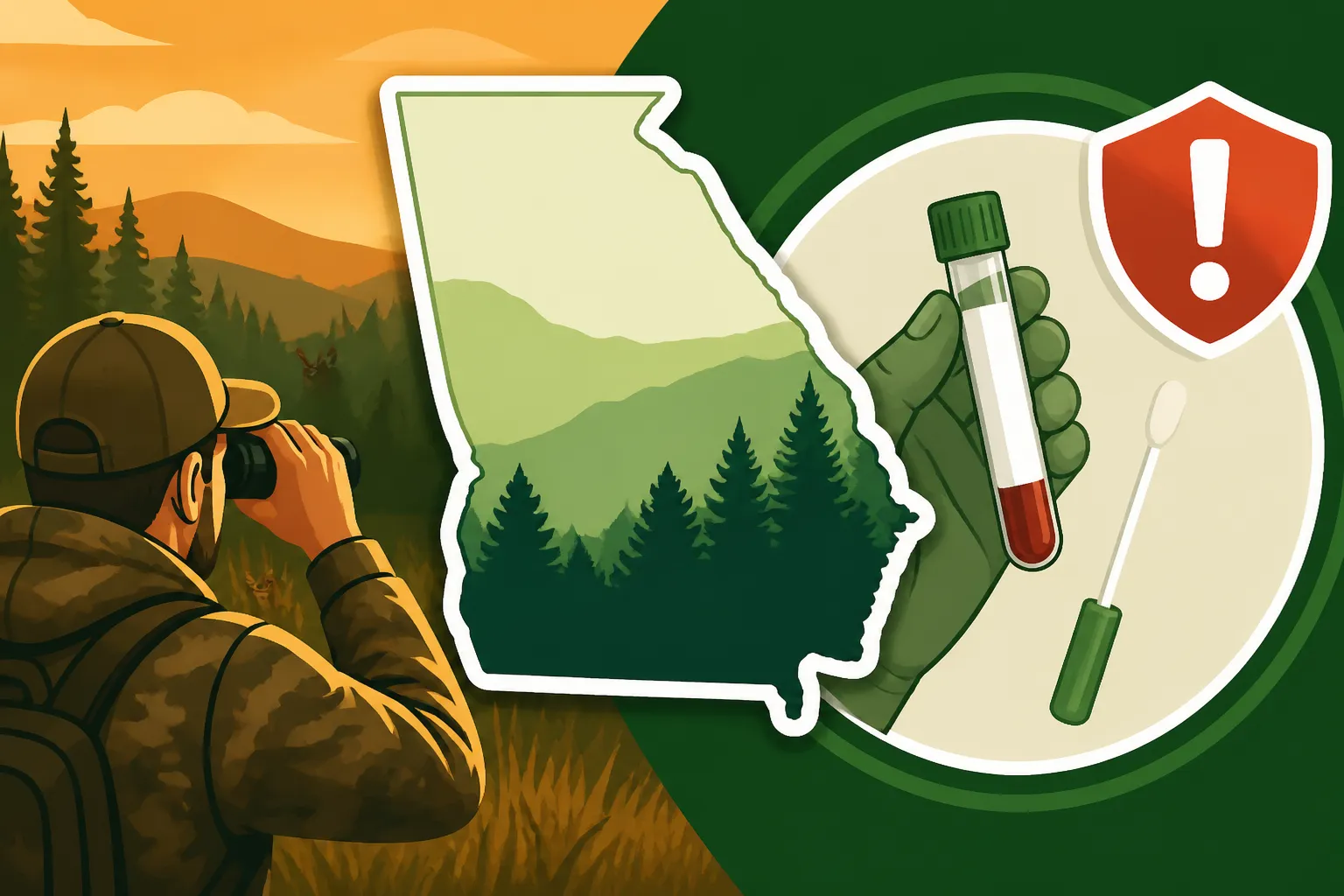
Following the detection, the Georgia DNR acted quickly to establish a CWD Management Area (CMA). This zone is designed to focus intensive monitoring and management efforts where the disease is most likely to be present. Initially, the CMA encompassed a specific radius around the location of the first positive sample. Specifically, the CMA was established to include a five-mile radius around the positive detection point. This led to the inclusion of portions of four counties: Early, Clay, Calhoun, and Miller.
It's not uncommon for these zones to be centered on a geographic point rather than following perfect county lines, which can sometimes make things a little tricky for hunters trying to figure out if their hunting grounds fall within the boundaries. The idea behind the "Why Georgia Used a Five-Mile CWD Radius" was to create a buffer zone for concentrated surveillance. For instance, if you hunt just outside the designated five-mile radius in Early County, you might not be subject to mandatory testing, but if your stand is even a quarter-mile inside it, you are. It’s absolutely critical for hunters to know the exact boundaries. You can usually find detailed maps on the Georgia DNR website or through specialized hunting apps like GoHunt, which often have overlay layers showing these critical management zones. These tools become indispensable for understanding "Which Four Counties Sit Inside Georgia's CMA" and planning your hunt accordingly.
Mandatory CWD Testing Requirements for Hunters
The establishment of Georgia's CWD Management Area comes with specific, non-negotiable requirements for hunters within those boundaries. This isn't just a suggestion; it's a mandatory step designed to protect the health of Georgia's deer herd and the future of hunting in the state. Failing to comply can have serious consequences, so it's vital to know the ins and outs.
Who Must Submit Deer for Testing
Within the designated CWD Management Area (CMA), which currently includes portions of Early, Clay, Calhoun, and Miller counties, all deer harvested during any hunting season are subject to mandatory CWD testing. This means whether you've tagged an antlered buck during the firearms season or an antlerless doe during archery, if it's taken from within the CMA, it must be submitted for testing. This applies to every single deer, regardless of its age or visible health, because CWD can be present in animals that show no outward signs of illness for an extended period.
The Georgia DNR doesn't differentiate between various types of deer when it comes to mandatory testing in the CMA; a deer is a deer. This comprehensive approach is necessary because CWD prions, the infectious agents, can accumulate in various tissues, especially the brain and lymph nodes, long before an animal exhibits symptoms. By requiring testing of all harvested deer, wildlife managers can get the most accurate picture of the disease's prevalence and distribution, helping to track its spread or confirm its containment. If you're hunting within those boundaries, consider testing an integral part of your harvest process. It's your contribution to understanding and fighting this disease. For hunters trying to keep tabs on current regulations, platforms like GoHunt often integrate CWD information directly into their mapping and regulation sections, making it easier to verify if your hunting spot falls within the mandatory testing zone. This kind of mapping functionality can be a lifesaver for hunters who want to avoid accidental non-compliance.
The Submission Process and Sampling Locations
Submitting a deer for mandatory CWD testing is a crucial step that needs to be done correctly to ensure accurate results and aid in disease surveillance. Once you’ve harvested a deer within the CMA, you'll need to locate an official CWD sampling station. The Georgia DNR provides specific drop-off locations, which can include state-run stations, participating taxidermists, and certain meat processors that have partnered with the state. The exact number and location of these sites can vary, so it's always a good idea to check the Georgia DNR's official website or the Georgia Outdoors App for the most up-to-date list of "Finding a Georgia CWD Sampling Location" before you head out. Websites like GoHunt might also provide this information or link directly to DNR resources, helping you plan your post-harvest logistics effectively.
The process itself is typically straightforward. You'll usually be asked to provide specific information about your harvest, such as the date, time, and exact location (GPS coordinates if possible) where the deer was taken. For testing, biologists need specific tissue samples—typically the retropharyngeal lymph nodes located in the throat area or a portion of the brain stem. At staffed stations, DNR personnel will collect these samples for you. If it's a drop-off site, there might be instructions for how to collect the necessary tissue yourself, or you may be required to drop off the head of the deer. Remember, proper handling and accurate location data are critical to the integrity of the CWD surveillance program. Don't just guess; make sure you're getting it right. These samples are then sent to a diagnostic lab for analysis, providing vital data for the ongoing management of "Georgia's Chronic Wasting Disease Management Area".
What Happens After a Deer is Submitted for Testing
Harvesting a deer is often the culmination of months of scouting and effort. But when hunting within Georgia's CWD Management Area, the work doesn't stop once the animal is down. The next steps involve understanding the testing timeline, what your results mean, and adhering to strict carcass movement rules to prevent any potential spread of CWD.
Test Results and Notification Process
After you've successfully submitted your deer for CWD testing within the CMA, the samples are sent to a specialized laboratory for analysis. The typical turnaround time for results can vary depending on the volume of samples being processed and the lab's capacity, but generally, hunters can expect to receive their results within a few weeks. The Georgia DNR usually communicates these results directly to the hunter. This might be through an email notification, a phone call if a positive case is detected, or by making results available through an online portal where you can check the status of your submitted sample.
It's a waiting game, and while most results will come back negative, knowing how you’ll be informed is important. A negative result means the tested tissues showed no evidence of CWD, and you can proceed with processing and consuming your venison as usual. If, however, a test comes back positive, the DNR will contact you directly to discuss the implications and provide guidance on the next steps, including the safe disposal of the carcass. This direct communication is a critical part of the state's "Georgia Wildlife Disease Monitoring" efforts and helps to ensure that no CWD-positive meat enters the food chain or contributes to further spread. This entire process highlights the importance of timely and accurate reporting after your harvest.
Carcass Movement Restrictions and Best Practices
One of the most crucial aspects of hunting within Georgia's CWD Management Area is adhering to the strict carcass movement restrictions. The infectious prions responsible for CWD are highly resistant and can persist in the environment, primarily in brain, spinal cord, and lymph node tissues. To prevent the accidental spread of CWD to unaffected areas, the Georgia DNR prohibits the movement of whole deer carcasses or certain high-risk parts out of the CMA.
Here’s a breakdown of what parts can be moved out of the CMA:
- Deboned meat: All meat that has been completely removed from the bone.
- Clean skull plate: The skull cap with antlers attached, provided all brain and nervous tissue has been thoroughly removed.
- Hides: Hides are generally considered low risk, but it's best practice to process them cleanly.
- Clean teeth: Individual teeth for taxidermy or trophy purposes, free of any tissue.
Conversely, entire heads (unless processed as above), spinal columns, and other nervous system tissues are generally restricted from leaving the CMA. This means if you harvest a deer in one of the CMA counties, you'll need to process it extensively within that area before transporting anything across the boundary. Many hunters opt to debone their deer in the field or take it to a local processor within the CMA. This ensures compliance and minimizes any risk. This guidance is part of the broader "Moving a Deer Carcass Out of the CMA" regulations and hunters should always double-check the most current guidelines on the DNR website. Tools like GoHunt or the Georgia Outdoors App might also provide quick reference guides or map overlays to help you visualize these restricted zones and plan your harvest logistics to avoid any issues. For those wondering how to best manage the meat, understanding "Handling Venison From a CWD Management Area" is paramount.
| Permitted Deer Parts for Movement Out of CMA | Restricted Deer Parts from Movement Out of CMA |
|---|---|
| Deboned Meat | Whole Carcass |
| Clean Skull Plate (no brain/nervous tissue) | Head (unless skull plate cleaned) |
| Hides | Spinal Column |
| Clean Teeth | Brain Tissue |
| Quarters (if deboned) | Lymph Nodes |
The Broader Impact and Hunter Responsibility
Chronic Wasting Disease is more than just a regulatory hurdle; it's a significant threat to wildlife health and the cherished tradition of hunting in Georgia. Every hunter has a role to play, not just in compliance, but in understanding the bigger picture and contributing to the solution.
Why CWD Management is Critical for Georgia Deer
The arrival of CWD in Georgia, particularly the confirmation in Early County, sent a clear signal that proactive management is no longer just a hypothetical discussion – it's an immediate necessity. CWD is a fatal, transmissible neurological disease that affects cervids, including white-tailed deer. Once an animal is infected, there is no known cure, and it will eventually die. The disease leads to a progressive degeneration of the brain, causing emaciation, abnormal behavior, loss of bodily functions, and ultimately, death. While there's no evidence of CWD transmission to humans, the potential for long-term ecological and economic impacts on the deer population is profound.
If CWD were to spread unchecked, it could decimate local deer herds, impacting not only hunting opportunities but also the overall health of the ecosystem. Deer are a cornerstone of Georgia's wildlife, and a healthy "Georgia Deer Population Estimate" is vital for the state's biodiversity. Mandatory testing within the CMA is critical for several reasons: it helps establish the prevalence of the disease, tracks its geographical spread, and informs management strategies aimed at reducing transmission. Early detection and containment are the best defenses against a widespread outbreak. Without robust surveillance and hunter cooperation, the long-term viability of "White-Tailed Deer Across Georgia" could be severely compromised. It’s a collective effort, and your participation in mandatory testing directly contributes to safeguarding the herd.
Staying Informed and Contributing to Wildlife Health
The landscape of wildlife management, especially concerning diseases like CWD, is dynamic. Regulations can change, new information can emerge, and the boundaries of management areas might be adjusted based on new findings. It is every hunter's responsibility to stay informed and up-to-date on the latest CWD regulations and recommendations from the Georgia DNR. Regularly checking the DNR's official website is the best source for current information, including updated maps, testing locations, and any changes to carcass movement rules. Subscribing to DNR newsletters or following their social media channels can also provide timely alerts.
Beyond compliance with mandatory testing, hunters can play an even larger role in contributing to wildlife health. If you observe any deer displaying signs consistent with CWD—such as extreme weight loss, stumbling, drooling, or a general lack of fear of humans—it's crucial to report these sightings to the Georgia DNR immediately. Do not attempt to harvest or handle a visibly sick animal unless instructed by wildlife officials. Additionally, practicing responsible carcass disposal outside the CMA, supporting habitat management efforts, and being mindful of your actions in the field all contribute to a healthier deer population. Using resources like the Georgia Outdoors App or mapping software from GoHunt can help you stay informed about localized conditions and regulations, empowering you to be a more knowledgeable and responsible steward of Georgia's wildlife.
Disclaimer
The information provided in this article is for general guidance and informational purposes only. Hunting regulations, including those related to Chronic Waste Disease (CWD), can change frequently. Always consult the official Georgia Department of Natural Resources (DNR) website and current hunting regulations manual for the most accurate and up-to-date information before planning or engaging in any hunting activities.