Packs Built for a Chattahoochee Day Hunt
Setting out for a day hunt in Georgia’s vast Chattahoochee National Forest is an adventure, but it comes with its own unique set of challenges. The steep grades, dense hardwoods, and unpredictable weather can turn a promising morning into a grueling ordeal if you’re not prepared. This guide is all about helping you choose and pack the perfect companion for those long, demanding days in the North Georgia mountains: your day pack. We’ll delve into the specific needs of this rugged environment, what features make a pack truly shine, and how to organize it for maximum efficiency and safety.
Understanding the Chattahoochee Day Hunt Environment
The Chattahoochee National Forest isn't just a picturesque backdrop; it's a dynamic, demanding hunting ground that requires careful consideration when you're choosing and packing your gear. The terrain itself dictates much of what you'll need, but the weather and the sheer effort involved in traversing it also play huge roles. It's a place where lightweight efficiency and rugged durability go hand-in-hand.
Terrain and Cover Considerations
Anyone who has spent time chasing deer or bears in the Hunting North Georgia Mountain Country knows that it's a world away from the flat pine plantations of South Georgia. Here, you're constantly dealing with elevation changes, from gentle slopes to lung-burning climbs up steep ridges. The forest floor can be a tangle of rhododendron thickets, mountain laurel, and downed timber, making every step a deliberate effort. This isn't country where you can afford a bulky, unbalanced pack that snags on every branch or shifts precariously as you scramble over rocks.
You need a pack that rides tight and stable against your back, almost becoming an extension of your body. Look for a slim profile that won't catch on brush, and consider external compression straps that cinch down your load, preventing items from jostling around and throwing you off balance. The last thing you want is a wobbly load when you're navigating a slippery, moss-covered slope or trying to quietly sneak through a laurel slick. A pack that is thoughtfully designed to minimize bulk while maximizing internal capacity is key. The quietness of the fabric is also paramount; you don't want a noisy pack material giving away your position when you're trying to still-hunt through a bedding area.
Weather Volatility and Necessities
If you've spent any amount of time hunting in Georgia, you know our weather can be fickle. In the mountains, this is amplified. A crisp, clear morning can quickly turn into a chilly, damp afternoon as a front moves in, or a sudden afternoon thunderstorm can drench you in minutes. High elevations mean temperatures can drop significantly compared to the valleys, and wind can cut right through you, especially if you're sitting still on a Hanging a Stand on a Mountain Saddle or exposed ridge line.
Your day pack needs to be capable of carrying the essentials for these unpredictable shifts. Rain gear is non-negotiable, not just a poncho, but a durable, waterproof jacket and pants that can withstand a true downpour. You'll also want to pack extra layers, even if the forecast looks mild. A lightweight fleece or puffy jacket can make all the difference if you suddenly find yourself sitting in a damp stand as the temperature plummets. Hydration is another critical component; climbing those inclines can be incredibly taxing, and you'll burn through water faster than you think. Look for packs with dedicated hydration sleeves or easily accessible water bottle pockets to keep you performing at your best. Staying dry, warm, and hydrated isn't just about comfort; it's about safety and maintaining your focus when a shot opportunity finally arises.
Key Features to Look for in a Day Pack
When you're trying to choose the right pack for those challenging Chattahoochee day hunts, it's easy to get overwhelmed by all the options on the market. But really, it boils down to a few critical features that separate the good packs from the great ones. You need something that can carry your essentials comfortably, keep them organized, and stand up to the abuse of the mountain environment.
Capacity and Organization
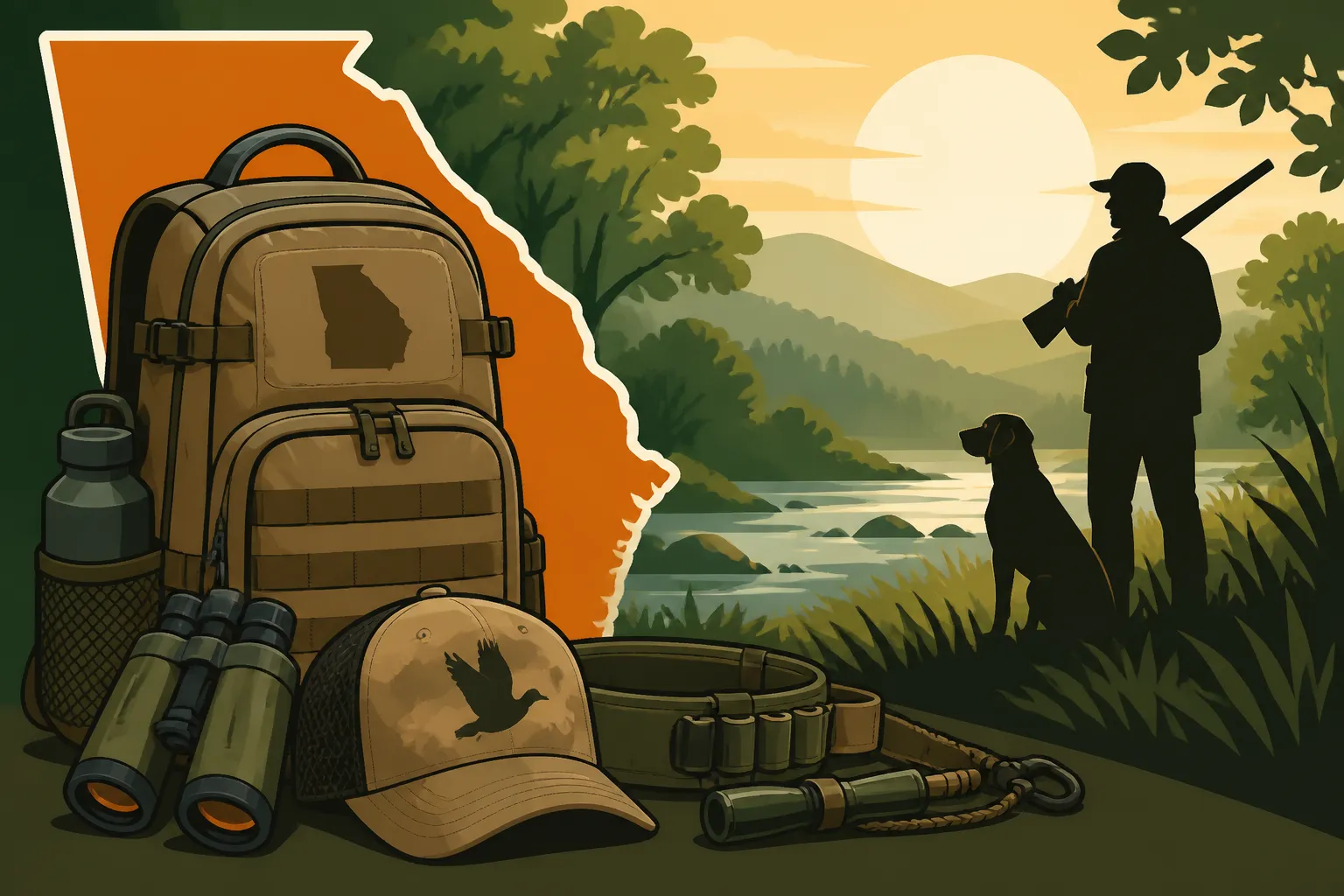
For a day hunt, you're not usually lugging a week's worth of gear, but you still need enough space for your immediate essentials, plus contingency items. A general rule of thumb for a day pack in this kind of terrain is typically in the 1500 to 2500 cubic inch range. This gives you enough volume for rain gear, extra layers, food, water, a first-aid kit, calls, binoculars, and perhaps even some basic field dressing tools.
The real magic, however, is in the organization. A large main compartment is good, but external pockets, internal dividers, and attachment points are what truly make a pack functional. Think about what you need quick access to: a rangefinder, your grunt tube, a snack, or your water bottle. These items should be in easily reachable pockets without having to take off your pack or dig to the bottom. Compression straps are also invaluable; they allow you to cinch down the load, no matter how full or empty the pack is, keeping everything stable and silent. Imagine trying to silently reach for your binos when they're buried under a puffy jacket and rattling around. A well-organized pack eliminates that frustration, letting you stay focused on the hunt. Brands like GoHunt often highlight pack designs that prioritize smart pocket placement and robust organization, understanding that quick, quiet access is crucial when you're in the field.
Comfort and Fit
This is probably the most overlooked, yet most critical, aspect of a hunting pack, especially when you're covering miles of rugged terrain. A poorly fitting pack will cause shoulder and back fatigue, rub you raw, and generally make you miserable, ultimately detracting from your hunt. The best pack in the world is useless if it doesn't fit you properly.
Look for packs with an adjustable suspension system, which allows you to dial in the torso length to match your body. Padded shoulder straps are a given, but ensure they are thick enough and contoured to distribute weight without digging in. A sturdy, well-padded hip belt is absolutely essential. The hip belt should carry the majority of the pack's weight—ideally 60-70%—transferring it from your shoulders to your stronger leg muscles. This significantly reduces fatigue, especially on those steep ascents and descents. Try on packs with weight in them, walk around, bend over; mimic the movements you'd make while hunting. Ensure there's no undue pressure points, and that the pack moves with you, not against you. A good fit means you almost forget you're wearing it, allowing you to focus on the nuances of the forest, like Reading a Ridge for North Georgia Deer or detecting the subtle sounds of game.
Durability and Materials
The Chattahoochee National Forest is not kind to flimsy gear. Briars, sharp rocks, abrasive tree bark, and general rough handling demand a pack built to last. Material choice is paramount here. Look for robust fabrics like Cordura or ripstop nylon with a high denier count (500D or higher is generally good for outer shells). These materials are excellent at resisting tears and punctures.
Beyond the fabric, inspect the zippers—they should be heavy-duty, preferably YKK, and run smoothly without snagging. Webbing and buckles should feel substantial, capable of holding up to years of abuse. While not strictly waterproof, a pack with good water resistance is highly desirable. Many packs use a DWR (Durable Water Repellent) coating, but an integrated rain cover is often the best defense against a sudden Georgia downpour. Finally, consider the noise factor. Some synthetic fabrics can be quite noisy, rustling with every movement. Choose materials that are quiet and soft to the touch, minimizing sound as you brush against vegetation or reach for items inside. A durable pack is an investment that pays dividends in reliability and not having to worry about your gear failing you in a remote location.
Essential Gear to Carry in Your Chattahoochee Day Pack
Packing for a day hunt in the Chattahoochee isn't just about throwing in "stuff." It's about a strategic selection of items that ensure your safety, enhance your hunting success, and maintain your comfort, all while keeping weight and bulk manageable. Every item should earn its place in your pack.
Safety and Navigation
When you're deep in the North Georgia mountains, miles from a paved road, self-reliance is key. Getting lost or injured is a real possibility, so your pack must contain reliable safety and navigation tools. Don't skimp here; these items could literally save your life.
First and foremost, have multiple forms of navigation. A good quality GPS unit is invaluable, especially if you've marked waypoints during your Scouting Georgia Public Land Before Season. But electronics can fail, so always carry a physical map of the area and a compass, and know how to use them. Many hunters also rely on smartphone apps, and some like GoHunt offer excellent mapping capabilities, allowing you to download maps for offline use, which is critical in areas with no cell service. However, a dead phone is just a brick, so pack a portable power bank. A comprehensive first-aid kit, tailored to hunting injuries (cuts, sprains, snakebite kit, etc.), is also non-negotiable. Finally, even if you plan to be back before dark, always carry a reliable headlamp with spare batteries. If you've ever had to navigate a steep, rocky trail in pitch black after a successful evening hunt, you'll understand why a bright, hands-free light is essential. Even a short walk out can feel infinitely longer and more dangerous without one.
Hunting-Specific Items
These are the tools that help you execute your hunt and manage a successful harvest. They need to be accessible, efficient, and appropriate for the game you're pursuing.
If you're deer hunting, this includes your binoculars or spotting scope, essential for picking apart thick cover or glassing distant ridges. A rangefinder is crucial for making ethical shots, especially in varied mountain terrain where judging distance can be tricky. Calls (grunt tube, rattling antlers, or diaphragm calls for turkey) should be within easy reach. A sharp, durable field dressing knife is paramount, along with game bags to protect your meat if you're successful. Some hunters also carry a small bone saw for pelvic or sternum splitting, making the drag out easier. For tracking, especially in thick Georgia pine straw or dense undergrowth, flagging tape can be a lifesaver. Consider what you'll need for Tracking a Deer Through Georgia Pine Straw and how to best organize those tools for quick access without fumbling. Everything should have a designated spot, so you can grab it instantly and silently when the moment demands.
Personal Comfort and Emergency
Beyond safety and hunting tools, think about what keeps you comfortable and prepared for the unexpected. A day hunt in the mountains can extend beyond daylight hours, or the weather could take a dramatic turn.
Ample water is crucial, even more so when climbing steep grades. Consider a hydration bladder for easy sipping on the move, supplemented by a durable water bottle. High-energy snacks (nuts, jerky, energy bars) are vital for maintaining stamina throughout a long day. As mentioned earlier, extra layers are a must. Even if it's warm, a lightweight rain jacket and a packable insulating layer can prevent hypothermia if you get wet and the temperature drops. A small fire starter (lighter, waterproof matches, fire steel) can be a comfort item or a critical survival tool if an unexpected overnight stay becomes necessary. A roll of toilet paper, hand sanitizer, and maybe even a small seat pad for comfort during long sits round out the comfort items. These seem minor, but they significantly improve your experience and readiness for any situation. Remember, the goal is to be self-sufficient for 24 hours, even on a planned day hunt, just in case.
| Item Category | Essential Items | Why It's Crucial in the Chattahoochee |
|---|---|---|
| Navigation & Safety | GPS unit, Map, Compass, Power Bank | Rugged terrain, poor cell service, high risk of getting disoriented. Multiple tools are key. |
| First-Aid Kit (incl. snakebite) | Remote areas, potential for cuts, falls, snake encounters. | |
| Headlamp & Spare Batteries | Unpredictable hunt duration, difficult terrain after dark. Headlamps for Walking Out After Dark is critical. | |
| Hunting Specific | Binoculars, Rangefinder | Glassing dense timber, precise shot placement in varied topography. |
| Hunting Knife, Game Bags, Processing Gloves | Field dressing and protecting meat post-harvest. | |
| Calls (deer, turkey, etc. as appropriate) | Attracting game, especially in thick cover. | |
| Comfort & Emergency | Water (2-3 liters), Water Filter/Purifier | High exertion, risk of dehydration. |
| High-Energy Snacks | Sustained energy for long hikes and cold sits. | |
| Rain Gear (jacket & pants) | Sudden mountain storms, staying dry and warm. | |
| Insulating Layer (fleece/puffy) | Rapid temperature drops, especially at higher elevations or after getting wet. | |
| Fire Starter (lighter, matches) | Emergency warmth, signaling, morale boost. | |
| Whistle, Signal Mirror | Attracting attention in case of emergency. | |
| Small Trowel & TP | Personal hygiene in the backcountry. |
Pack Styles and Considerations for Georgia Mountain Hunting
When it comes to choosing the physical style of your pack, the Chattahoochee National Forest offers some specific challenges and opportunities. While the core features of comfort and capacity remain universal, how a pack distributes its weight and integrates with your movements can make a real difference in this demanding environment.
Traditional Backpacks Versus Lumbar Packs
You'll typically see two main styles of day packs: the traditional backpack, which distributes weight over your shoulders and hips, and the lumbar or fanny pack, which rides primarily on your hips. Each has its pros and cons for mountain hunting.
Traditional Backpacks are by far the most common choice for a reason. They offer superior capacity, making it easier to carry all those crucial layers, rain gear, and safety items. The weight distribution across both your shoulders and hips, especially with a well-designed internal frame and hip belt, allows for more comfortable hauling of heavier loads over longer distances and steeper terrain. This is vital when you're traversing the many ups and downs of the Chattahoochee. The downside can be bulk; a poorly chosen backpack can catch on branches, restricting movement in tight spots. You also have to take it off to access most of your gear, which can be a nuisance. For most day hunters looking for versatility and the ability to carry a contingency load, a good traditional backpack will be the preferred option, providing enough space for everything from your Blaze Orange Requirements to your field dressing kit.
Lumbar Packs, sometimes called fanny packs with shoulder straps, offer excellent accessibility. Since the main compartment rides on your lower back, you can often swing it around to the front to access items without fully removing the pack. This is fantastic for quick draws of binoculars, calls, or snacks. They tend to be less bulky, which can be an advantage in thick brush. However, their capacity is significantly less than most traditional backpacks, meaning you'll have to be more disciplined about what you carry. Weight distribution can also be a challenge; while a good hip belt helps, the lack of shoulder support for the main load can lead to lower back fatigue if you're carrying anything substantial. For very minimalist hunts or shorter excursions where you are certain of stable weather and don't anticipate a large haul, a lumbar pack might work, but for the full range of Chattahoochee challenges, most hunters opt for the greater capacity and better weight distribution of a backpack.
Integrated Frame Packs
While frame packs are often associated with multi-day backcountry excursions and hauling massive loads, there are smaller, integrated frame packs that can be quite beneficial even for a day hunt in North Georgia. These aren't the old external frames your grandpa used, but modern internal frames built into the pack's structure.
The primary advantage of an integrated frame, even in a day pack size, is its ability to transfer weight directly to your hips and maintain structural integrity. This means even a moderate load feels lighter and more stable, reducing sway and fatigue. This stability is particularly noticeable when you're navigating uneven ground, climbing over blowdowns, or making those steep descents. Furthermore, if you are lucky enough to harvest a deer, an internal frame pack provides a more rigid structure to help you carry out some of the meat. Many modern hunting packs are designed with load-hauling capabilities in mind, featuring meat shelves or expandable compartments that allow you to lash a quarter of an animal to the frame, separate from your main gear. While not every day hunter in the Chattahoochee needs this feature, for those who hunt deep and expect to process a kill, a pack with an integrated frame, or at least a robust internal framesheet, offers a distinct advantage in making the Dragging a Deer Out of a Swamp (or more likely, off a mountain) a bit less brutal. It's about being prepared for success, and a solid pack frame helps you do just that.
Choosing the right pack for a Chattahoochee day hunt is more than just grabbing any old backpack; it's a critical decision that impacts your comfort, safety, and ultimately, your success in the field. By understanding the demands of the terrain and weather, prioritizing comfort and organization, and ensuring your pack is built to withstand the rigors of the North Georgia mountains, you'll be well-equipped for whatever the day throws at you. So, pack smart, hunt hard, and enjoy the wild beauty of Georgia's national forest.
Disclaimer
This article is for general informational purposes only and does not constitute professional advice. Laws, prices and regulations vary by location and change over time. Consult a qualified professional for guidance on your specific situation.