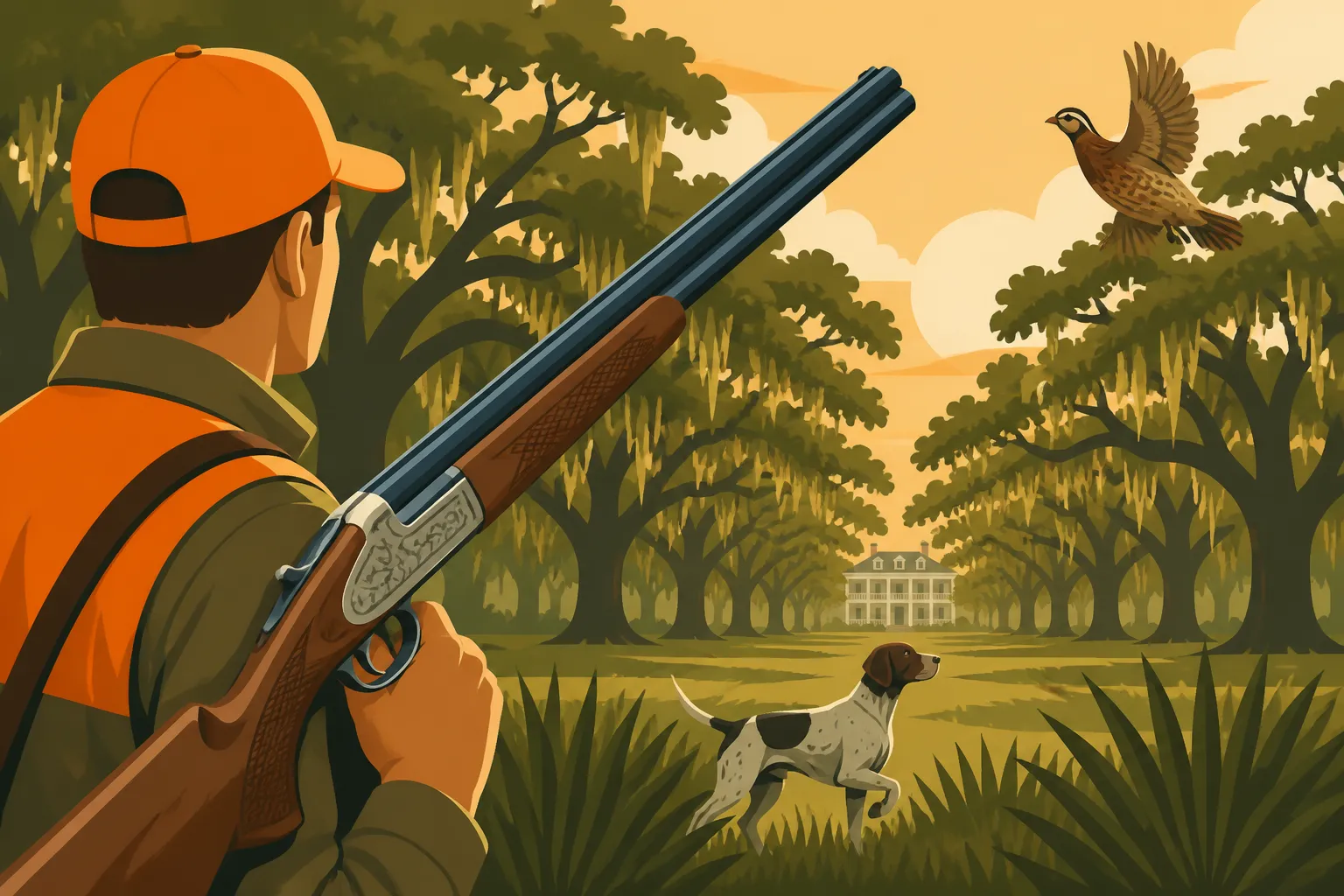
20 Gauge Doubles for Plantation Walks
There's nothing quite like the feeling of walking through a vast expanse of longleaf pine, the scent of wiregrass in the air, with a good bird dog working ahead. But when that covey explodes, a fast, fluid swing is everything. Many hunters arrive at these classic Georgia quail plantations with modern autoloaders or pump shotguns, perfectly capable tools, but for those truly seeking to embrace the tradition and gain a subtle edge in handling, the 20 gauge double barrel shotgun remains a timeless and incredibly effective choice. This guide will walk you through why this classic firearm is so well-suited for the unique demands of a Georgia quail walk, what features make it stand out, and how to make the most of it in the field.
The Enduring Appeal of the 20 Gauge Double for Quail
When you picture a quail hunt on a grand old Georgia plantation, chances are a classic double-barrel shotgun comes to mind. It's more than just aesthetics; there are very real, practical reasons why the 20 gauge double has been the choice of discerning upland hunters for generations. It’s a firearm that feels right, performs flawlessly, and truly enhances the experience of the hunt.
A Perfect Balance of Power and Portability
One of the first things you notice about a quality 20 gauge double, especially a side-by-side or over-and-under built specifically for upland hunting, is its remarkable lightness. Unlike heavier gauges or semi-automatics, a 20 gauge double is designed to be carried comfortably for miles on end, often through varying terrain. Imagine walking five or six miles over the course of a morning hunt, dogs ranging wide, stopping and starting as they work scent. A heavy gun quickly becomes a burden, leading to fatigue and a slower, less natural swing when a covey finally flushes. The lighter weight of the 20 gauge reduces this strain significantly, allowing you to stay fresh and focused, ready for those explosive moments.
Beyond just the carrying comfort, this lighter weight translates directly to incredible handling characteristics. A well-balanced 20 gauge double comes up to the shoulder smoothly and quickly, and it points almost instinctively. When a covey of bobwhites erupts from the cover, you don't have time to wrestle with a cumbersome firearm. You need a gun that becomes an extension of your body, allowing you to react with speed and precision. The 20 gauge delivers ample power for quail, throwing a sufficient pattern of shot to cleanly take birds without excessive recoil. This manageable recoil is a huge benefit when you might be taking several shots in quick succession from a rapidly dispersing covey, ensuring you can stay on target for follow-up shots without flinching or losing your sight picture.
Two Chokes, One Gun: Adapting to the Covey Rise
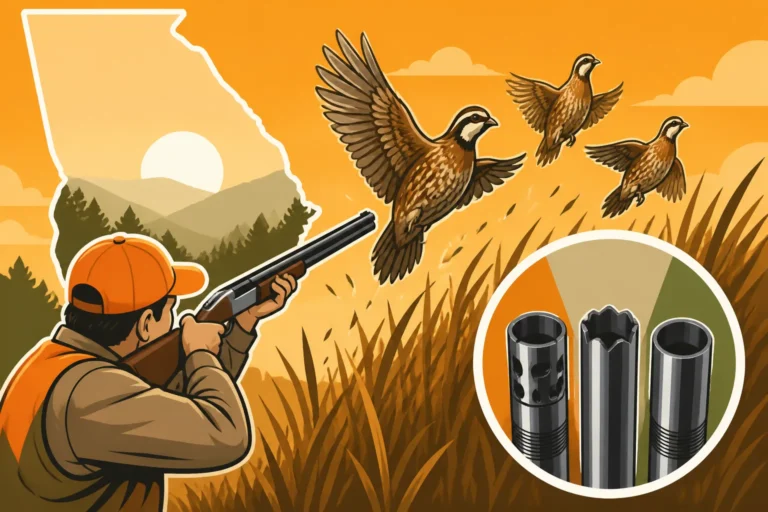
The inherent design of a double-barrel shotgun offers a distinct advantage that single-barrel guns simply can't match: the ability to have two different choke constrictions ready at a moment's notice. For quail hunting, especially when working a covey rise, this is an incredibly valuable feature. Typically, upland hunters will set up their double with a more open choke, like Improved Cylinder (IC), in the first barrel, and a slightly tighter choke, such as Modified (Mod), in the second.
When a covey flushes, the initial birds are often close, rising rapidly and scattering in all directions. Your first shot will likely be at a bird within 20-25 yards. The open pattern of the Improved Cylinder choke is perfect for this, spreading quickly to give you a forgiving pattern for those fast, close-range shots. However, as the covey streaks away, some birds might present longer follow-up opportunities, maybe 30-35 yards out. This is where the second barrel, with its tighter Modified choke, shines. It provides a denser pattern at those extended distances, increasing your chances of a clean kill on a bird further out. This versatility means you're prepared for whatever the covey rise throws at you, without having to change chokes or compromise your pattern for different ranges. It's a system that has proven itself invaluable in the bird fields time and again, maximizing your effectiveness on fast-moving game.
The Traditional Choice for Georgia's Gentleman's Hunt
There's an undeniable charm and tradition associated with hunting quail with a double barrel, particularly on the historic plantations of South Georgia. These hunts are often steeped in a certain classic etiquette and appreciation for the sporting heritage. Carrying a 20 gauge double-barrel shotgun is a nod to that tradition, a connection to generations of hunters who walked these same fields with similar firearms. It's a statement of style and an appreciation for the craftsmanship of a finely made gun.
On a Georgia plantation, where hunts are often guided, and the emphasis is as much on the experience as the harvest, the double-barrel fits right in. It’s a reliable tool that rarely malfunctions, allowing you to focus on the dogs, the company, and the thrill of the flush. There’s a satisfying solidity and simplicity to its operation. When you break open the action to load two fresh shells or quickly retrieve spent hulls, it’s a smooth, deliberate motion that adds to the ritual of the hunt. This traditional choice doesn’t just look good; it embodies the spirit of quail hunting in a way modern firearms, for all their efficiency, sometimes struggle to capture. Hunting a Managed Quail Plantation often involves this kind of setup.
What to Consider When Choosing Your 20 Gauge Double
So, you're convinced a 20 gauge double is the way to go for your Georgia quail walks. Excellent choice! But not all double barrels are created equal, and understanding the nuances will help you find the perfect partner for your bird hunting adventures. From how it feels in your hands to how it ejects spent shells, every detail plays a role in your experience afield.
Weight and Balance for Miles of Walking
When you're walking all day, sometimes with miles accumulating before you even know it, the weight and balance of your shotgun become paramount. For quail hunting, you want a gun that feels light but not flimsy, and one that balances naturally in your hands. A good target weight for a 20 gauge upland double is typically in the 5.5 to 6.5 pound range. Anything much heavier will start to feel cumbersome as the day wears on, leading to arm fatigue and a slower swing. Anything much lighter, and you might encounter increased felt recoil, which can be unpleasant over a high-volume shooting day.
Beyond just the static weight, balance is crucial. You want a gun that "points" effortlessly. This usually means the balance point is slightly forward of the hinge pin, giving it a natural, fluid swing. Test a few different shotguns by shouldering them, swinging them horizontally and vertically, and holding them in various carrying positions. Does it feel lively and responsive, or does it feel sluggish and unwieldy? Pay attention to how the gun feels when mounted quickly to your shoulder – it should come up smoothly without snagging or feeling awkward. A well-balanced gun makes those split-second shots at flushing quail much easier to execute, and it reduces the overall physical toll of carrying it for extended periods. This is key for Upland Guns for Quail Plantation Walks.
Action Types: Side-by-Side Versus Over-and-Under
The world of double-barrel shotguns primarily offers two distinct action types: the classic side-by-side (SxS) and the more modern over-and-under (O/U). Both are excellent choices for quail, but they offer different ergonomics and aesthetics.
- Side-by-Side (SxS): This is the traditional "coach gun" style, with two barrels lying horizontally next to each other. Many hunters feel a deep connection to the history of upland hunting when carrying a side-by-side. They tend to have a wider, lower profile, which some argue offers a wider field of view, making it easier to track a covey as it explodes. The point of balance often feels slightly different, more "between the hands," which many find comfortable for carrying. However, some find the wider barrel plane takes a bit more getting used to for aiming, as you're aiming down a wider rib. If you're a purist and value tradition above all, a side-by-side might be your perfect match.
- Over-and-Under (O/U): The over-and-under design features one barrel stacked directly above the other. This configuration often provides a narrower, single-plane sighting picture, which many shooters find more intuitive and akin to aiming a single-barrel shotgun. The balance can often be manipulated more easily in manufacturing, sometimes resulting in a slightly more "muzzle-heavy" feel that aids in a smooth swing. O/Us are generally considered more modern in their design and are very popular in competitive clay shooting as well as hunting. Both designs are equally effective in the field; the choice often comes down to personal preference for aesthetics, feel, and aiming intuition.
Here's a quick comparison of the two styles for quail hunting:
| Feature | Side-by-Side (SxS) | Over-and-Under (O/U) |
|---|---|---|
| Aesthetics | Classic, traditional, wide profile | Modern, sleek, single profile |
| Field of View | Wider, potentially better for tracking spreading coveys | Narrower, less obstruction above barrels |
| Sighting Plane | Wider rib, aiming between two barrels | Single sighting plane, often preferred by many |
| Balance | Often feels "between the hands," lower center of gravity | Can be slightly muzzle-heavy, aiding in smooth swing |
| Recoil | Generally similar for same weight/gauge | Generally similar for same weight/gauge |
| Shell Ejection | Extractors or Ejectors | Extractors or Ejectors |
Ejectors, Extractors, and the Pace of the Hunt
When you break open a double barrel after a shot, how do the spent shells (or unfired rounds) exit the chambers? This is determined by whether the gun has extractors or ejectors. Both systems work, but they offer different experiences in the field.
- Extractors: With extractors, when you open the action, the spent hulls are simply pushed part-way out of the chambers, allowing you to manually pull them out. This is a slower process, but it ensures you collect all your spent hulls, which is great for keeping the field clean and for reloaders. On a formal plantation hunt, where guides and dog handlers appreciate a clean field and you might not be rushing, extractors are perfectly fine.
- Ejectors: Ejectors, on the other hand, actively kick the spent hulls clear of the action when you open the gun. This makes for much faster reloading, which can be crucial when trying for a third or fourth bird from a large covey. The downside is that you have to quickly retrieve your hulls from the ground if you want to save them or avoid littering. Some hunters choose to simply let the empties fly during the heat of the moment and then circle back to pick them up, or a diligent guide might help. For a fast-paced hunt where every second counts, ejectors can be a real advantage. The choice often comes down to your personal preference for speed versus meticulous shell retrieval.
Mastering Your 20 Gauge Double on a Georgia Quail Hunt
Owning a beautiful 20 gauge double is one thing; effectively using it on a fast-paced quail hunt is another. Like any skill, it requires practice and an understanding of the specific dynamics of a covey rise. Georgia quail, while not huge birds, are lightning-fast, and getting your shot off quickly and accurately is paramount.
Patterning Your Shotgun for Optimal Performance
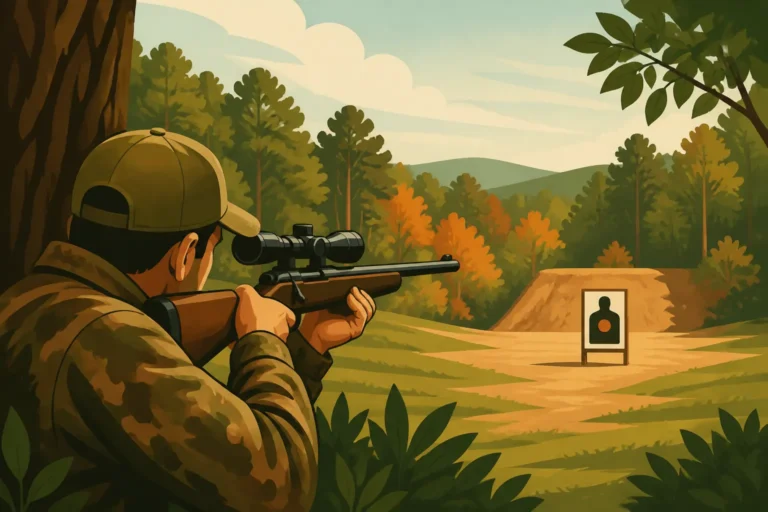
Before you ever step foot on a quail plantation, the most important thing you can do for your success and ethical hunting is to pattern your shotgun. This means shooting various loads and choke combinations at large paper targets to see how your chosen shot spreads at different distances. You want to understand where the core of your pattern hits and how dense it is. For quail, most hunters use shot sizes like 7.5 or 8. Shotguns for Georgia Quail and Dove will often perform differently with different loads and chokes.
Typically, you'll pattern your gun at 20, 30, and maybe 35 yards. This helps you understand the effective range of each of your barrels. You might find that your Improved Cylinder choke is perfect out to 25 yards, but beyond that, the pattern gets too thin. Your Modified choke, however, might hold a dense enough pattern out to 35 yards. Knowing these sweet spots allows you to make quick, informed decisions in the field. If a bird flushes close, you instinctively know to use your first (IC) barrel. If it's a bit further out, you might opt for the second (Mod) barrel. This practice takes the guesswork out of the equation and builds confidence in your equipment, which is invaluable when those birds burst into the air.
Carrying and Mounting Techniques for Fast Flushes
Quail hunting on a walk involves a lot of carrying your shotgun, often in a ready position, for extended periods. The way you carry your gun directly impacts how quickly and smoothly you can bring it to bear when a covey flushes. There isn't one "right" way, but rather a few common and effective methods. Many hunters prefer a "field carry" where the gun is held at port arms or slightly lower, with the stock tucked into the shoulder pocket and the barrel angled slightly down and away from companions and dogs. Your lead hand should be on the forearm, ready to slide forward, and your trigger hand should be near the grip.
The key is a smooth, practiced mount. When the dogs go on point and the covey is about to erupt, you need to be ready to transition from carry to shooting in a blink. Practice this motion repeatedly at home, empty gun in hand. Focus on bringing the gun straight up to your shoulder, aligning your eye naturally with the rib, and smoothly swinging through an imaginary target. Avoid snatching the gun or lifting your head off the stock. The motion should be fluid and controlled. When the birds do flush, remember to pick one bird, swing through it, and pull the trigger. Don't "peck" at the bird; keep your swing going. Then, if needed, quickly transition to a second bird with your second barrel. This is what Working a South Georgia Quail Covey Rise is all about.
Safety and Etiquette in a Plantation Setting
Hunting on a managed quail plantation, especially with guides and bird dogs, comes with a strong emphasis on safety and etiquette. These are often social hunts, and being a responsible, courteous hunter is as important as being a good shot.
- Muzzle Control: This is paramount. Always, always know where your muzzle is pointing. When walking with others, the muzzle should always be pointed safely downrange, either at the ground in front of you or up into the sky, never sweeping across other hunters, guides, or dogs. When crossing fences, or navigating dense cover, open the action of your double-barrel to ensure it's unloaded.
- Shooting Lanes: When a covey flushes, especially on a guided hunt, the guide will often indicate which direction to shoot, establishing clear shooting lanes. This prevents hunters from shooting across each other's paths. Be aware of your companions and your position relative to the dogs. Never shoot toward the dogs, even if a bird is flying in their direction. Your guide will often call out "dead bird" or "mark" to help everyone know where birds fell and avoid unnecessary shots.
- Respect for Dogs and Guides: The bird dogs are the stars of the show on a quail hunt, and they are highly trained and valuable animals. Give them space to work, don't interfere with them, and always follow your guide's instructions regarding their handling. The guide is there to ensure a safe, productive, and enjoyable hunt, so listen closely to their advice and commands. Good manners and adherence to safety protocols make the experience better for everyone involved. Working Pointing Dogs on Wild Georgia Quail is an art form, and respecting it is key.
Beyond the Basics: Care and Other Considerations
A 20 gauge double is an investment, both in terms of cost and in the memories it will help you create. Taking care of it properly, understanding your ammunition, and knowing how to find hunting opportunities will ensure it serves you well for many seasons to come.
Proper Cleaning and Maintenance in Humid Climates
Georgia's climate, especially during quail season, can be quite humid. This high humidity is a prime culprit for rust and corrosion on firearms if they are not properly cared for. After every hunt, even if you didn't fire a shot, your shotgun needs attention. Moisture, sweat, and even just ambient humidity can work their way into metal surfaces and start the oxidation process.
- Immediate Post-Hunt Wipe Down: As soon as you're done hunting for the day, give your gun a good wipe down with a soft cloth. Pay special attention to metal surfaces that may have been exposed to sweat or rain. A silicon-treated cloth is excellent for this.
- Thorough Cleaning: Once you're back home, or at camp, perform a more thorough cleaning. Remove the forend and barrels, and clean the bore(s) with a quality bore cleaner and brush. Follow with patches until they come out clean. Clean the exterior of the barrels, the receiver, and the internal components (like the ejectors or extractors). Apply a thin layer of gun oil to all metal surfaces to protect them from moisture. Don't forget to wipe down the wood stock with a wood conditioner or wax to prevent drying and cracking. Store your shotgun in a dry, temperate environment, preferably in a breathable gun sock, not a tightly sealed case, which can trap moisture.
Shot Shell Selection for Georgia Quail
Choosing the right ammunition for your 20 gauge double is critical for both effectiveness and ethical hunting. For bobwhite quail, you want a load that delivers a dense pattern of small shot without being overly powerful or causing excessive recoil.
- Shot Size: Most quail hunters opt for shot sizes 7.5 or 8. These smaller pellets provide a higher pellet count in each shell, creating a denser pattern that increases your chances of hitting the small, fast-moving birds. Size 7.5 offers a bit more energy for slightly longer shots, while size 8 is excellent for closer flushes and very dense patterns. Avoid larger shot sizes like 6s for quail, as they significantly reduce your pellet count, leading to sparse patterns and a higher chance of crippling birds.
- Load Weight: For a 20 gauge, common load weights range from 7/8 oz to 1 oz. A 7/8 oz load is typically lighter on recoil and offers quick performance, while a 1 oz load provides more pellets. Experiment with both to see what patterns best in your gun and what you shoot most comfortably.
- Velocity: Standard velocity loads (around 1200-1290 fps) are generally preferred for upland birds. While "magnum" or high-velocity loads might sound appealing, they often come with increased recoil and can sometimes distort patterns, making them less effective for quail. Stick with reliable, standard upland loads from reputable manufacturers. Shot size for Quail and Dove will also be a consideration for mixed bags.
Accessing Plantations and Public Land
While this guide focuses on plantation walks, it's worth noting that Georgia offers a variety of quail hunting opportunities.
- Guided Plantation Hunts: Many private plantations across South Georgia, particularly around Thomasville and Albany, offer guided quail hunts. These are typically all-inclusive experiences, providing guides, dogs, and often lodging and meals. This is often where the 20 gauge double truly shines in its traditional context. Booking well in advance is usually necessary, and it can be a significant investment, but it offers a quintessential Georgia quail hunting experience. Booking a Guided Plantation Quail Hunt provides more details.
- Private Land Permission: If you have connections to private landowners in quail country, asking for permission can be a great way to access quality hunting. Always be respectful, offer to share game, and leave the property better than you found it.
- Public Land Opportunities: While widespread wild bobwhite quail populations are less common on public lands due to habitat requirements, some Wildlife Management Areas (WMAs) in Georgia offer limited quail hunting. These often require a Georgia WMA Access Stamp Requirement and careful scouting. The habitat management efforts on some WMAs, particularly those with prescribed burning regimes, can create pockets of suitable quail cover. While you might not find the sheer numbers of birds as on a managed plantation, hunting public land offers a rewarding challenge and a chance to experience the solitude of the Georgia wilderness. Resources like GoHunt, while primarily focused on big game, can still be valuable for understanding public land boundaries and topography in Georgia, which might help identify potential quail habitat even on WMAs. Just remember to always cross-reference any information with official Georgia DNR maps and regulations.
Disclaimer
This article is for general informational purposes only and does not constitute professional advice. Laws, prices and regulations vary by location and change over time. Consult a qualified professional for guidance on your specific situation.