Best Shotgun Gauge for Georgia Quail
For many folks drawn to the crisp air and rolling fields of Georgia, the thought of a covey of bobwhite quail exploding from underfoot, or the anticipation of a pointing dog locking up, is pure magic. But then reality sets in: what's the best shotgun to bring to the party? It's a question that can feel overwhelming, with so many gauges and opinions out there, and you just want to make sure you're properly equipped for those fleeting, thrilling moments. This guide is here to cut through the noise, helping you understand the nuances of shotgun gauges specifically for Georgia quail, so you can choose the one that feels just right for your hunts.
Understanding the Georgia Quail Hunting Experience
Before we dive into the specifics of shotgun gauges, it’s really helpful to get a clear picture of what quail hunting in Georgia is truly like. This isn’t necessarily about long-range shooting across open plains; it’s often about quick, instinctive shots in diverse and sometimes dense cover. Knowing the rhythm and challenges of the hunt can make all the difference in choosing your ideal firearm.
The Nature of a Covey Rise
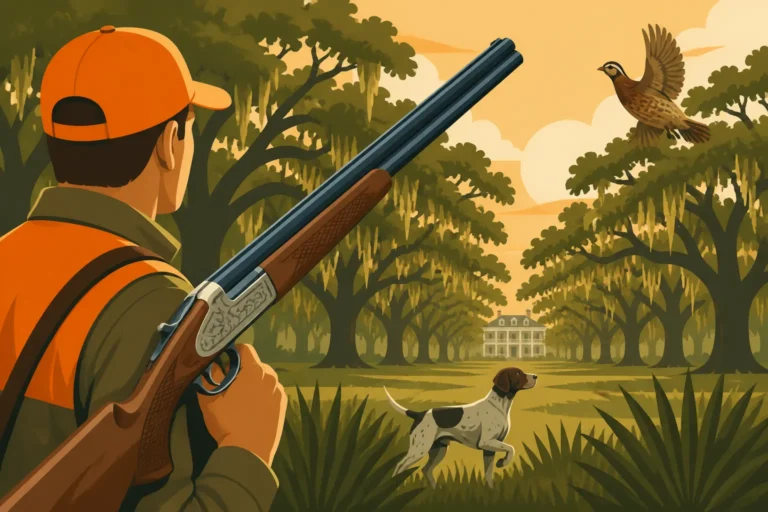
Imagine walking through a field, the dogs working diligently ahead, tails wagging with purpose. Suddenly, they lock up, statuesque and intense. You approach, heart pounding with anticipation, and then – whirrrrr! – a dozen or more brown rockets erupt from the grass right at your feet, flying in every direction. This is the classic covey rise, and it happens fast. We're talking about split-second decisions and often follow-up shots as birds peel off into the surrounding cover. The birds aren't typically flying long distances before they're out of range or behind a thicket. This means your shots are often close-quarters, rarely exceeding 30-35 yards, and almost always on rapidly moving targets. It's a test of reflexes and quick gun handling, rather than precision long-range marksmanship.
Terrain and Hunting Styles
Georgia offers a variety of habitats for quail, each presenting its own shooting scenarios. You might find yourself in the classic longleaf pine savannas of South Georgia, where the understory is relatively open and allows for good visibility. Here, birds might fly a bit further before hitting cover. Then there are the more challenging environments: dense briar patches along old field edges, areas of regenerating timber, or thick creek bottoms. In these spots, a covey rise can feel almost claustrophobic, with birds vanishing behind trees or brush almost immediately. Most quail hunting involves walking, often behind pointing dogs, covering a lot of ground. Whether you're hunting wild birds or on a managed plantation, the expectation is that you’ll be on your feet, swinging your gun often, and making quick, decisive movements. This active style of hunting inherently favors a lighter, more nimble shotgun. For more details on this experience, check out Working a South Georgia Quail Covey Rise. If you're considering a more structured experience, Booking a Guided Plantation Quail Hunt might be a good read.
Breaking Down the Popular Shotgun Gauges for Quail
Now, let's get into the heart of the matter: which gauge is going to give you the best chance at those fast-flying bobwhites, while also being enjoyable to carry and shoot all day? Each gauge has its champions and its detractors, and what works for one hunter might not be ideal for another.
The Workhorse 12-Gauge
The 12-gauge is, without a doubt, the most common shotgun in America, and for good reason. It’s incredibly versatile, handling everything from dove to ducks to deer. When it comes to quail, a 12-gauge can certainly get the job done. The primary advantage is its payload: it throws a generous amount of shot, creating a wide and dense pattern. This can be very forgiving for those quick, close-range shots where precision is paramount. Ammunition is readily available everywhere, and often at a more affordable price point.
However, the 12-gauge isn’t without its drawbacks for quail hunting. The biggest complaints typically revolve around its weight and recoil. After a long day of walking through fields and cover, a heavier 12-gauge can start to feel like a lead pipe. The recoil, while manageable for a few shots, can become noticeable over the course of an entire hunt, especially if you’re shooting a lot of birds. Some hunters also feel it’s simply "too much gun" for small quail, potentially damaging the meat or just removing some of the sporting challenge. Still, if you only own one shotgun and it's a 12-gauge, it’ll work just fine with the right choke and shot. You might want to consider Shotguns for Georgia Quail and Dove for broader insights into shotgun selection.
The Versatile 20-Gauge
If there’s a consensus "best" gauge for quail hunting among seasoned enthusiasts, the 20-gauge often takes the top spot. It strikes a near-perfect balance between adequate shot payload and manageable recoil, all in a lighter, more nimble package. Most 20-gauge shotguns are built on smaller frames than their 12-gauge counterparts, making them easier to carry all day without fatigue. The reduced weight allows for quicker swings and faster target acquisition on those lightning-fast covey rises.
While it throws a slightly lighter shot charge than a 12-gauge, the 20-gauge still delivers more than enough pellets to cleanly bag quail within typical hunting ranges. With modern ammunition and appropriate chokes, its patterns are more than sufficient. Many hunters find the reduced recoil of a 20-gauge makes for a much more pleasant shooting experience, leading to greater confidence and better accuracy over the course of a hunt. If you're serious about upland hunting, the 20-gauge is a fantastic all-around choice that won't leave you feeling under-gunned or overmatched.
The Elegant 28-Gauge
The 28-gauge is often called the "gentleman's gauge" or the "thinking man's gauge," and for good reason. It's incredibly light, graceful to handle, and offers exceptionally low recoil, making it a dream to shoot. Carrying a 28-gauge through the Georgia woods or fields feels effortless compared to a 12-gauge, allowing you to focus purely on the hunt. For many, it elevates the quail hunting experience, adding a touch of classic elegance.
However, the 28-gauge does come with its own set of considerations. Its shot payload is noticeably smaller than a 20- or 12-gauge, meaning you're throwing fewer pellets. This necessitates more precise shooting. While perfectly capable of taking quail, you need to be "on" your game. Ammunition can also be a bit more expensive and sometimes harder to find in local stores, especially compared to the ubiquitous 12- and 20-gauge offerings. For the experienced hunter looking for a challenge and a truly delightful shooting experience, the 28-gauge is an excellent choice. It’s definitely a joy for Upland Guns for Quail Plantation Walks.
The Challenging .410 Bore
Ah, the .410 bore. This diminutive shotgun often sparks passionate debates among hunters. It’s incredibly light, has almost no recoil, and can be an absolute blast to shoot. For those who relish a true challenge, the .410 offers just that. Landing a quail with a .410 is a testament to skill and precision, making every successful shot feel incredibly rewarding.
But let's be realistic: the .410 is generally not recommended for new quail hunters or those seeking maximum effectiveness. Its shot payload is the smallest of all common gauges, and its effective range is significantly limited. The pattern from a .410 is much smaller and less dense, requiring almost rifle-like accuracy on a fast-moving bird. It's truly a specialist's tool, best suited for experienced shooters who understand its limitations and enjoy the heightened difficulty. If you're confident in your wing-shooting abilities and want to embrace the challenge, a .410 can certainly bring immense satisfaction.
Here's a quick comparison of the popular gauges for Georgia quail hunting:
| Gauge | Typical Weight (lbs) | Perceived Recoil | Shot Payload (oz) | Skill Level Recommended | Ammunition Availability |
|---|---|---|---|---|---|
| 12-Gauge | 6.5 – 8.5+ | Moderate to Heavy | 1 to 1 1/4 | Beginner to Expert | Excellent |
| 20-Gauge | 5.5 – 7.5 | Light to Moderate | 3/4 to 1 | Beginner to Expert | Very Good |
| 28-Gauge | 5.0 – 6.5 | Very Light | 1/2 to 3/4 | Intermediate to Expert | Moderate |
| .410 Bore | 4.5 – 6.0 | Extremely Light | 1/2 or 11/16 | Expert | Moderate |
Beyond Gauge: Factors Influencing Your Quail Shotgun Choice
While the gauge is a primary consideration, it’s far from the only factor. The overall effectiveness and enjoyment of your quail hunt also hinge on several other critical elements, from how your gun patterns to how it feels in your hands.
Choke Selection and Shot Size
No matter which gauge you choose, proper choke selection is paramount for quail. Given the close-range, fast-flushing nature of covey rises, you generally want an open pattern that spreads quickly. For the first shot, many experienced quail hunters opt for an Improved Cylinder or even a Skeet choke. These chokes allow the shot column to open up rapidly, giving you a wider margin for error on those sudden, close birds. For a second barrel, if you have a double gun, a Light Modified or Modified choke can be a good choice for any birds that might have flown a bit further. Make sure to pattern your shotgun with your chosen choke and preferred ammunition to see how it performs. Choke Choice for Fast Covey Flushes is an excellent resource for this.
As for shot size, number 7.5, 8, or even 9 shot are typically favored for quail. These smaller pellets offer a higher pellet count per ounce, creating a denser pattern that's ideal for a small bird like a bobwhite. They have more than enough energy to cleanly dispatch a quail at typical ranges without excessive meat damage. For more on this, check out Shot Size for Quail and Dove.
Gun Fit and Recoil Management
This is often overlooked but profoundly impacts your shooting. A shotgun that fits you properly will point naturally, allowing your eyes to align perfectly with the target without conscious effort. If a gun doesn't fit, you'll be fighting it with every shot, leading to missed birds and frustration. Issues like length of pull (the distance from the trigger to the middle of the buttstock) and drop at comb (how far the stock drops from the top of the action) are crucial. Taking the time to ensure your shotgun fits you, or having a gunsmith adjust it, can dramatically improve your success rate and comfort.
Recoil also plays a significant role. Even if you're not recoil-sensitive, shooting dozens of rounds in a day with a heavy-recoiling gun can take its toll. Fatigue can creep in, affecting your swing and accuracy. A gun with lighter recoil, like a 20-gauge or 28-gauge, allows for faster recovery between shots, which is a huge advantage when a covey rise scatters multiple birds. It also makes the entire experience much more enjoyable.
Hunter Skill Level and Confidence
Be honest with yourself about your skill level. If you're relatively new to wing shooting or haven't hunted quail extensively, a more forgiving gauge like a 20-gauge (or even a 12-gauge with an open choke) will likely serve you better. It provides a larger pattern, increasing your chances of connecting with those fast-moving targets. As your skills develop, you might find yourself gravitating towards the lighter, more challenging gauges.
Ultimately, confidence is key. When you pick up your shotgun, you should feel comfortable and confident that you can hit your target. If a gun feels too heavy, kicks too hard, or just doesn't point right, it will erode your confidence, and that will show in your shooting. The "best" gauge is the one that allows you to shoot your best and enjoy the hunt the most.
Making Your Final Decision for Georgia's Quail Fields
Bringing all these considerations together will help you land on the perfect shotgun for your Georgia quail adventures. Remember, there's no single "right" answer, only the right answer for you.
Considering Your Hunting Companions and Style
Think about who you typically hunt with. If you're often with a group, perhaps with newer hunters or younger family members, having a versatile 20-gauge can be a great option that many can comfortably shoot. If you're introducing someone to the sport, starting them with a low-recoil option is crucial to building their confidence and ensuring a positive experience. You might also consider if you prefer a traditional over-and-under or side-by-side for the classic aesthetic, or a semi-automatic for faster follow-up shots. For those who hunt with pointing dogs, the lighter weight of a 20 or 28 gauge is a blessing when you're covering mile after mile. Working Pointing Dogs on Wild Georgia Quail really highlights the effort involved.
Budget and Ammunition Availability
Let's talk practicalities. Shotgun prices vary wildly, but generally, 12- and 20-gauge guns and ammunition are the most widely available and often the most economical. If you’re on a tighter budget, or you want the convenience of easily finding shells at any sporting goods store in Georgia, these gauges are a safe bet. The 28-gauge and .410 bore can sometimes require a bit more searching for ammunition, and the guns themselves might be a bit pricier due to their more niche appeal. Before you commit, it’s always a good idea to check local retailers or consult resources like the GoHunt platform, which might help you scope out gear availability or find local outfitters. This planning is crucial, especially if you're venturing into lesser-known areas for Georgia Wild Quail Season Opening Day.
The "Best" Gauge Is Personal
In the end, the "best" shotgun gauge for Georgia quail isn't some universal truth etched in stone. It's deeply personal. It's the gauge that feels balanced in your hands as you walk through a managed pine forest. It's the one that allows you to make quick, confident swings when a covey erupts. It's the one whose recoil doesn't leave you flinching, even after multiple flushes. Maybe you prioritize the forgiving pattern of a 12-gauge, or the sublime balance of a 20-gauge, or the elegant challenge of a 28-gauge. Maybe you've put in the practice, and the pure thrill of a .410 is calling your name.
I've hunted Georgia quail for years, on both wild bird hunts and well-managed plantations, and I've seen success with all the gauges. My personal leanings often favor the 20-gauge for its all-around excellence, but I wouldn't hesitate to carry a light 12 or a nimble 28. Take some time to handle different guns, perhaps shoot a few rounds of skeet or trap with various gauges if you have the opportunity. Think about the specific kind of quail hunting you'll be doing most often. Use tools like GoHunt's mapping features to scout potential hunting grounds, which can influence how much walking you'll do, and thus, how much gun weight you want to carry. The goal isn't just to bag birds; it's to enjoy every moment of the hunt. Choose the shotgun that helps you do just that.
Disclaimer
This article is for general informational purposes only and does not constitute professional advice. Laws, prices and regulations vary by location and change over time. Consult a qualified professional for guidance on your specific situation.