Hunting Coastal Marsh for Georgia Teal
Coastal marsh hunting for blue-winged and green-winged teal involves identifying species and tracking migration patterns.
Close the distance.
Archery, muzzleloader, and firearm techniques — calling, stand placement, still-hunting, spot-and-stalk, and the weapon rules that change at the state line.
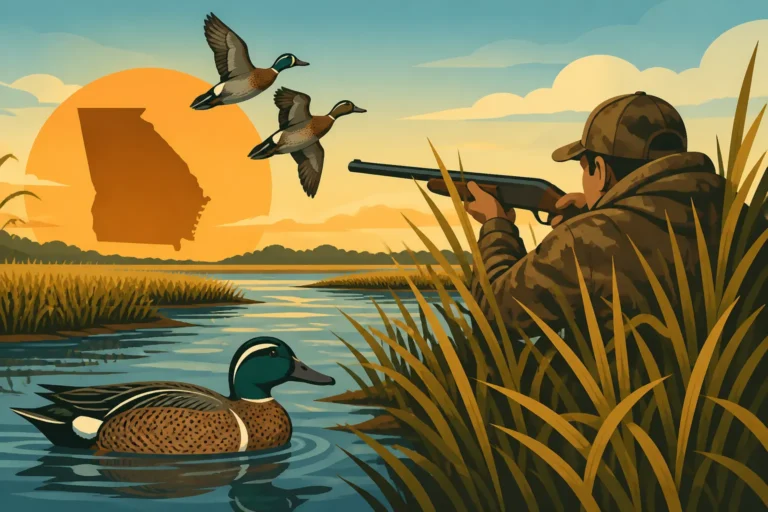
Coastal marsh hunting for blue-winged and green-winged teal involves identifying species and tracking migration patterns.
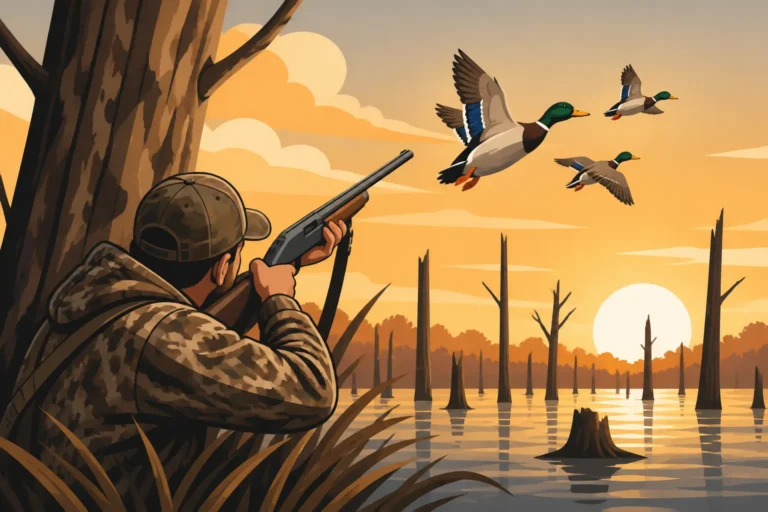
Georgia duck hunters learn to locate mallards in flooded timber by finding oak trees and water levels under eighteen inches.
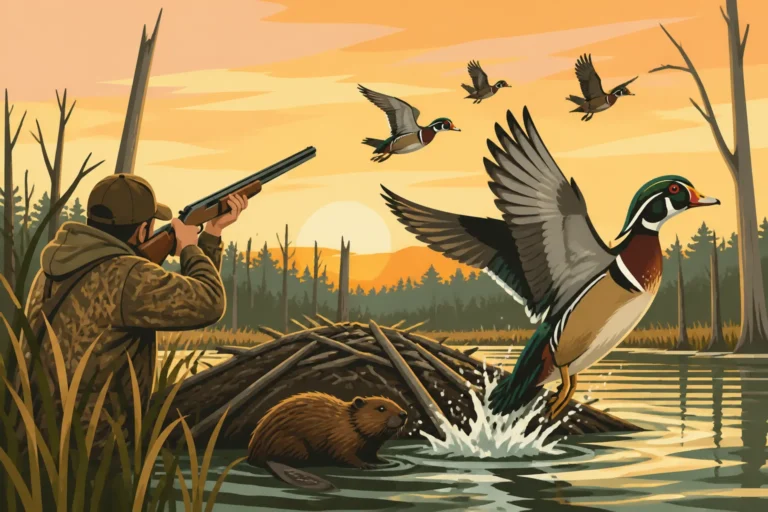
Jump-shooting wood ducks on Georgia beaver ponds offers an active hunting method for elusive waterfowl in flooded timber.
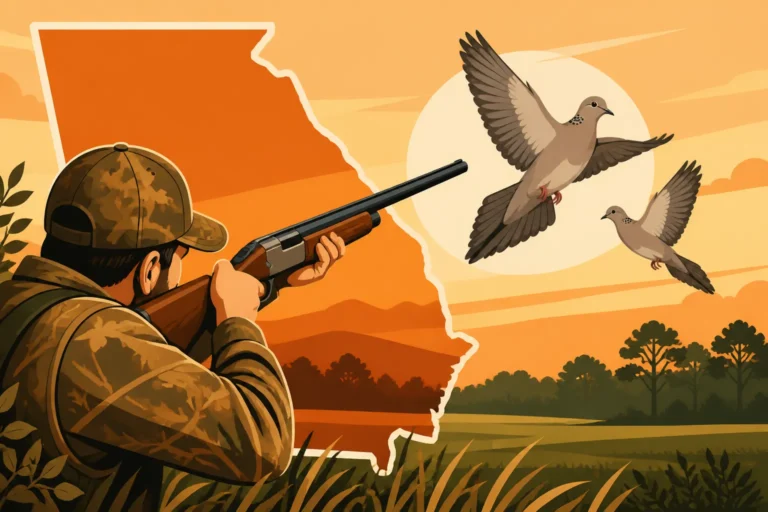
Georgia’s October dove season split offers cooler weather, migratory birds from the north, and fewer crowds in the fields.
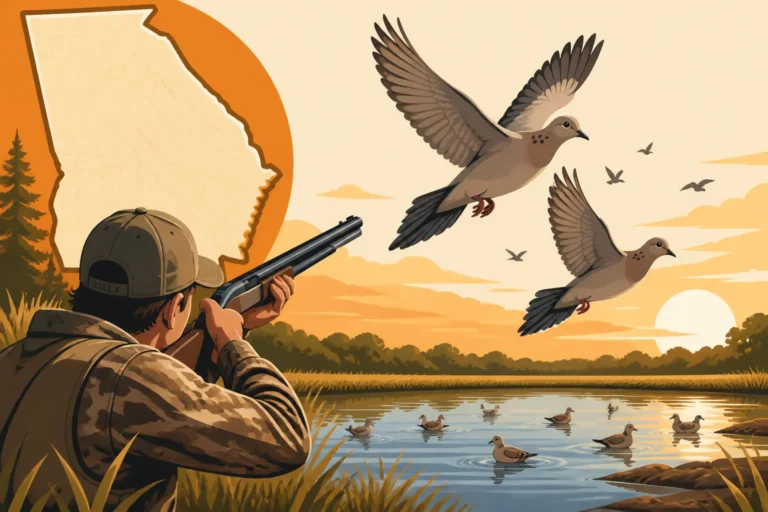
Pass-shooting doves over Georgia water holes lets hunters salvage slow seasons by intercepting thirsty birds during hot afternoons.
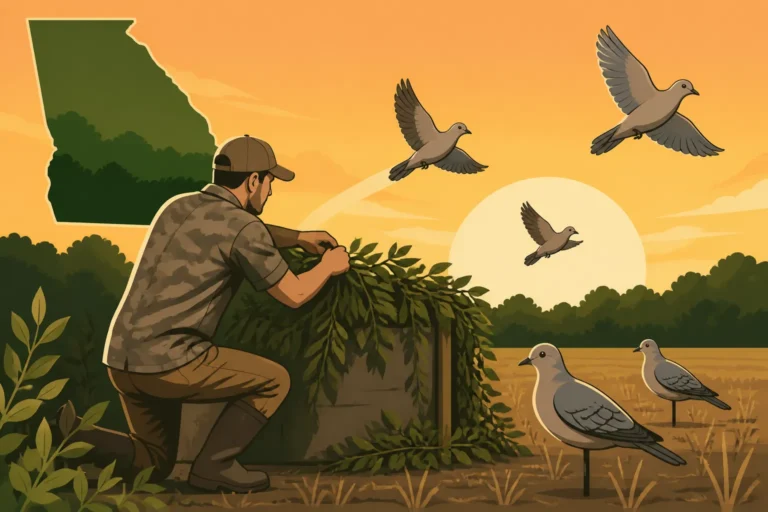
Georgia dove field setup requires planting preferred seeds, providing shallow water, and ensuring access to grit and loafing cover.
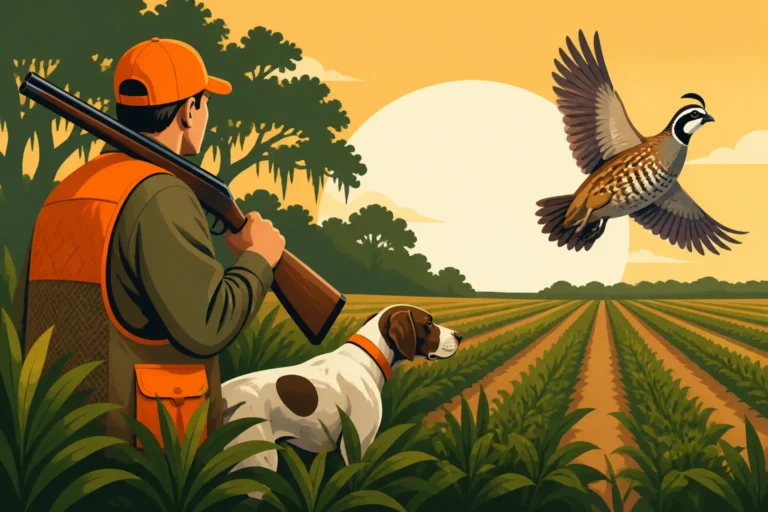
A guided Georgia plantation quail hunt offers access to managed habitat, professional guides, and trained pointing dogs.
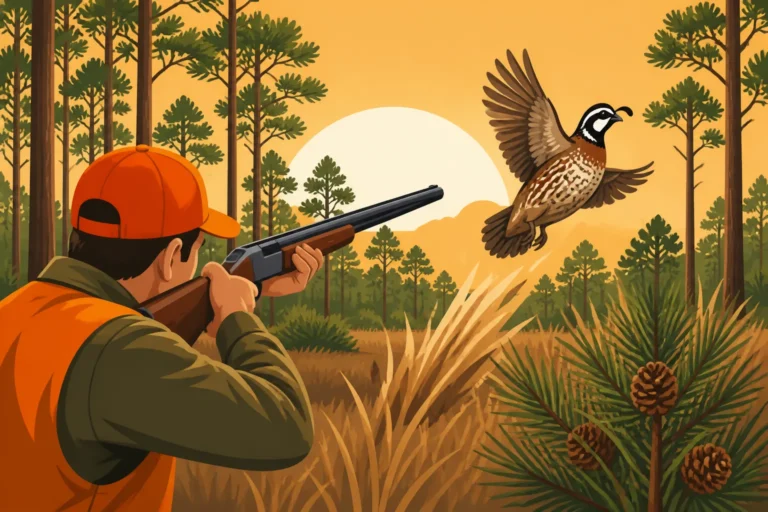
Hunting wild quail in Georgia managed pine forests requires scouting habitats, prescribed burns, and understanding understory groundcover.
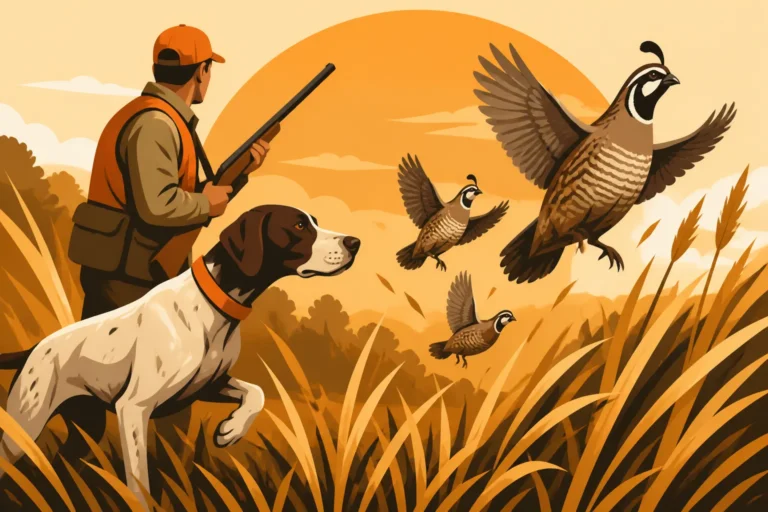
South Georgia quail hunting methods, ideal longleaf pine habitats, and pointing dog strategies explain wild bobwhite flushes.
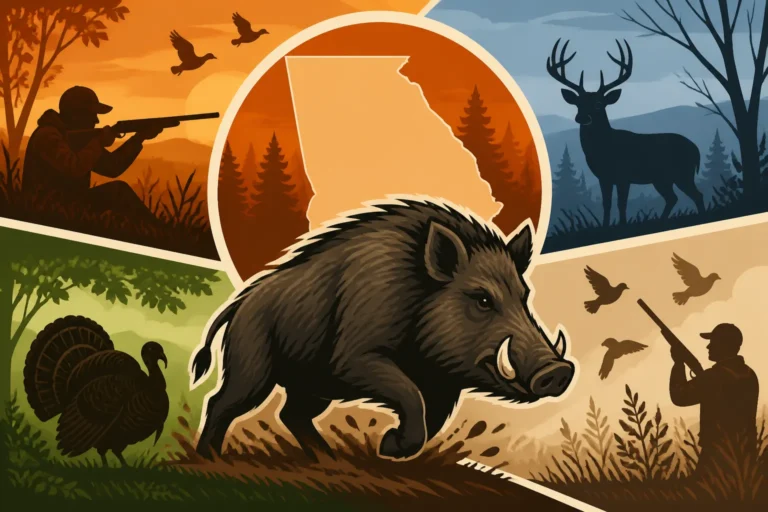
Georgia feral hog hunting regulations allow hunters to legally harvest nuisance wild hogs alongside any open seasonal game.