Minimum Legal Alligator Length in Georgia
For anyone venturing into the unique world of Georgia alligator hunting, one of the biggest anxieties often revolves around making sure you're compliant with the rules. It’s not just about finding an alligator; it’s about knowing what's legal and what’s not, especially when it comes to size. This comprehensive guide will walk you through the precise minimum legal alligator length in Georgia, explain why these regulations are in place, and offer practical advice for ensuring you're always on the right side of the law.
Understanding Georgia's Minimum Alligator Length Requirement
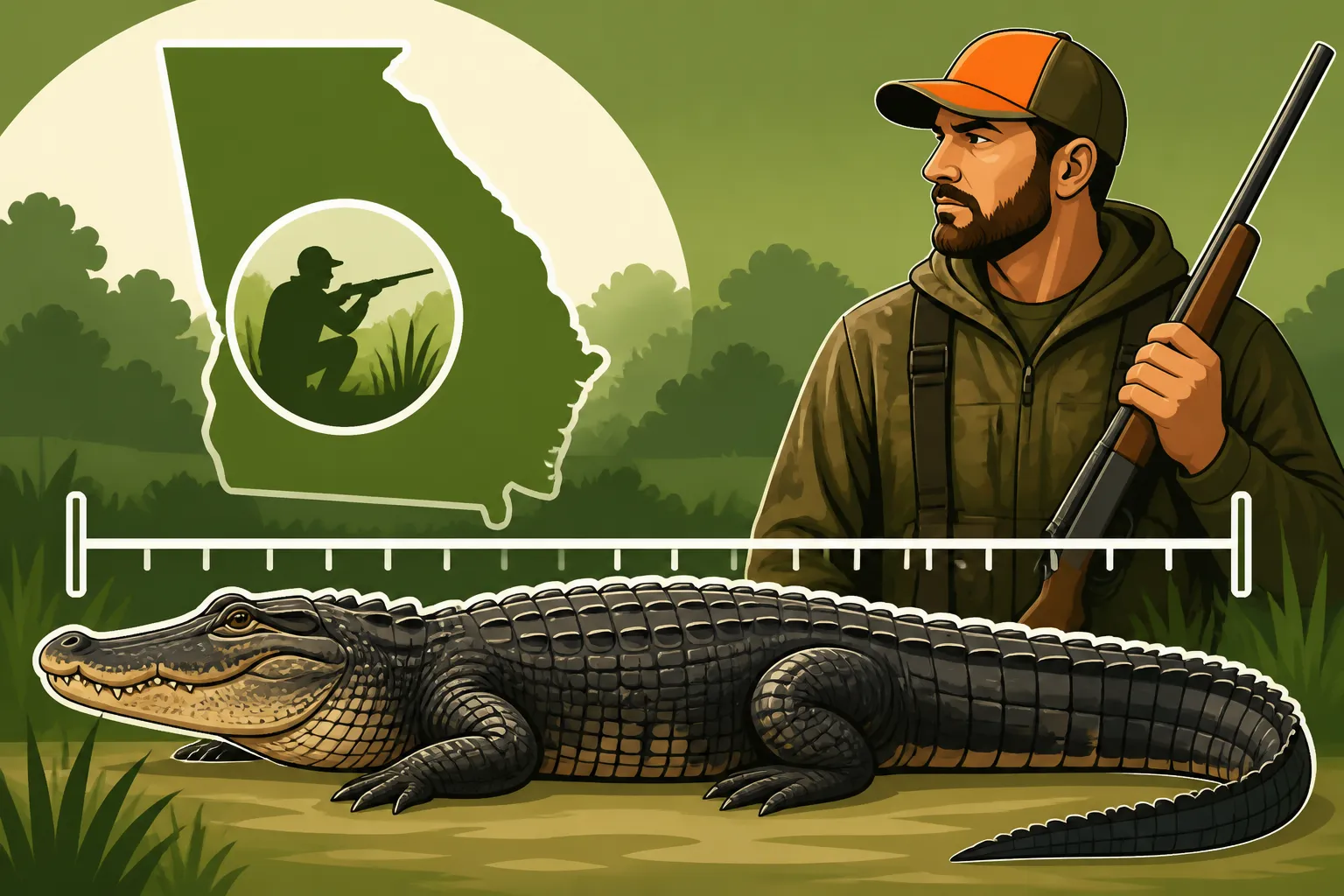
The Georgia Department of Natural Resources (DNR) sets very clear guidelines for alligator hunting, and the minimum legal length is one of the most crucial. It’s not a one-size-fits-all rule across the board, which can sometimes be a point of confusion for new hunters or those accustomed to deer or turkey regulations. For the most part, in Georgia, if you're lucky enough to draw a tag in one of the state's designated quota hunt zones, you're looking for an alligator that measures at least four feet (48 inches) from the tip of its snout to the tip of its tail.
This minimum length is a foundational pillar of the state’s alligator management strategy. It’s designed to protect younger alligators, allowing them to grow, mature, and contribute to the breeding population. Without such a regulation, there would be a higher risk of overharvesting juveniles, which could severely impact the long-term health and stability of Georgia's alligator population. It's a prime example of how thoughtful regulations ensure sustainable hunting opportunities for years to come.
Beyond just the statewide standard, it's vital to remember that alligators are formidable creatures, and judging their size accurately in the field, especially in the dark or from a distance, requires practice and good judgment. You'll often hear veteran hunters talk about the challenges of estimating size under pressure, and it's a skill that develops with experience. Always err on the side of caution if there's any doubt about an alligator's length, as the penalties for an illegal harvest can be significant. This strict adherence to size limits is part of the commitment Georgia hunters make to responsible wildlife stewardship.
Why the Four-Foot Minimum?
The reasoning behind the four-foot minimum length is rooted deeply in biological and ecological principles. Alligators below this size are generally considered juveniles. They are still growing rapidly, learning to survive, and, most importantly, have not yet reached reproductive maturity. By protecting these younger animals, the Georgia DNR ensures that a robust segment of the population can reach breeding age and continue to propagate the species. This approach helps maintain a healthy age structure within the alligator population, preventing a decline in future generations.
Furthermore, smaller alligators often play a different role in the ecosystem compared to their larger, more mature counterparts. They might be prey for larger alligators, wading birds, or even large fish, contributing to the food web in unique ways. Allowing them to survive beyond the initial vulnerable stages helps maintain this delicate balance. From a purely practical hunting perspective, it also means that hunters are targeting animals that provide a more substantial amount of meat and hide, increasing the value of the hunting opportunity for those who draw a coveted tag.
Consider the effort and expense involved in an alligator quota hunt; you're not just going for any gator. You're participating in a carefully managed season designed to target a specific segment of the population. The four-foot minimum ensures that these hunts contribute positively to conservation goals while providing a challenging and rewarding experience for hunters. It reinforces the idea that hunting is not just about taking an animal, but about participating in a larger conservation framework that benefits the entire ecosystem.
Regional Variations and Exceptions
While the four-foot (48-inch) minimum is a general rule that most hunters will encounter, it's always critical to double-check the specific regulations for the particular alligator zone you've drawn a tag for. Georgia is divided into several alligator management zones, and while they largely follow the statewide guidelines, there can sometimes be nuances based on localized population dynamics or specific management goals. For example, some specialized hunts might have slightly different stipulations, though these are rare.
It's your responsibility as a hunter to be intimately familiar with the rules pertaining to your specific permit. Websites like the Georgia DNR's official site or robust hunting apps like GoHunt can be invaluable resources for quickly checking these details. Before you even head out on the water, spend time reviewing your permit conditions and the detailed regulations for your zone. Don’t rely on hearsay or assumptions, as mistakes can lead to severe consequences, including fines and license suspension.
For instance, understanding specific details about Georgia Alligator Zone Preferences or Applying for an Alligator Quota Permit can also inform your pre-hunt strategy and ensure you're targeting animals in areas where your specific tag applies. There's also the Georgia Alligator Season Opening Date to consider, as regulations can sometimes be tied to the timing of the hunt. These details collectively form a safety net of information that helps prevent accidental violations.
Measuring Your Alligator in the Field
Accurately measuring an alligator in the field is a critical skill, and it's often more challenging than it sounds. These aren't docile creatures, and safety is always paramount. Once an alligator has been legally harvested and dispatched, the next step, before moving or tagging, is to measure its length. The standard measurement is from the tip of the snout, in a straight line, to the tip of the tail. This means no curving around the body; it's a linear measurement.
You'll need a reliable tape measure for this task. Many hunters opt for a flexible steel tape that can withstand wet conditions and the rigors of field use. Some even mark their boat or a specific piece of gear with a 48-inch line for a quick visual reference, though a precise tape measurement is always required for official purposes. Remember, Spotting a Legal Forty-Eight-Inch Alligator can be tough in the heat of the moment, so having a clear measurement strategy post-harvest is essential.
It's also important to note that the alligator must be measured before any processing that would alter its length, such as removing the head or tail. This ensures that the measurement accurately reflects the animal's size at the time of harvest. Getting this step right is not just about avoiding legal trouble; it’s about respecting the animal and the regulations put in place to manage the species responsibly.
Tools and Techniques for Accurate Measurement
When it comes to tools, a good, durable tape measure is non-negotiable. Look for one that's at least 6 to 8 feet long, preferably made of a material that won't stretch or degrade in wet, muddy conditions. Some hunters even carry a rigid yardstick or a long, straight piece of PVC pipe marked at 48 inches to help with initial estimation or to use as a baseline for the tape measure. This can be especially helpful if you're dealing with a larger, more unwieldy alligator.
The technique itself involves laying the alligator out as straight as possible on a flat surface, such as the bottom of your boat or a clear bank. One person should hold the tip of the snout firmly at the zero mark of the tape, while another stretches the tape straight along the alligator’s backbone to the very tip of its tail. If the alligator’s tail is naturally curved, you’ll need to gently straighten it as much as possible for an accurate linear reading. This isn’t a measurement that allows for creativity or "close enough"; precision is key.
Safety should always be a priority during this process. Even a dispatched alligator can have residual reflexes, and its jaws can still snap shut with tremendous force. Always handle the animal with extreme care, ensuring its head is secure and you're aware of its potential movements. Having at least two people for this task makes it much safer and easier to get an accurate measurement, especially when you're trying to Landing an Alligator From a Small Boat in potentially challenging conditions.
What Happens if it's Under Length?
Discovering that a harvested alligator is under the legal minimum length is a serious situation. In Georgia, harvesting an undersized alligator is a violation of wildlife laws, and the consequences can be significant. This isn't just a slap on the wrist; it can involve substantial fines, forfeiture of the harvested alligator, and potentially the suspension of your hunting privileges. The Georgia DNR takes these regulations very seriously because they are fundamental to the health and management of the alligator population.
If you find yourself in this unfortunate situation, the best course of action is immediate and honest reporting to the Georgia DNR. While there will still be consequences, being upfront about the mistake demonstrates integrity and can sometimes result in a more understanding response than if the violation were discovered later. This is where tools like the GoHunt app or a physical copy of the regulations can serve as a last-minute double-check before you commit to the harvest.
It underscores the importance of exercising extreme caution and confidence in your size estimation before pulling the trigger or making your harpoon strike. This is not the kind of hunting where you "shoot first and ask questions later." You must be certain of the alligator's legality, particularly its length, prior to harvest. The ethical hunter will always prioritize compliance and conservation, even if it means letting a questionable alligator swim away.
The Broader Context of Alligator Regulations
Hunting any species means stepping into a complex web of regulations designed for conservation and safety. For alligators in Georgia, the minimum length is just one piece of a larger puzzle. Understanding the Georgia Alligator Quota Hunt Rules is paramount, as alligator hunting is almost exclusively managed through a quota system, meaning you need a specific permit for a specific zone. These permits are highly sought after and limit the number of alligators harvested each year.
Beyond length, hunters must also be aware of the legal methods of take. While Bowfishing Tactics for Georgia Alligators are popular, you'll also find regulations for other methods like hook-and-line. Each method has its own set of guidelines to ensure humane and safe harvest. Furthermore, there are specific tagging and reporting requirements once an alligator is harvested, which are critical for the DNR to track harvest numbers and monitor population trends. This data helps state biologists manage the species effectively, ensuring that How Many Alligators Georgia Has remains a healthy, sustainable population.
The overall goal of these regulations is to maintain a balance between providing hunting opportunities and ensuring the long-term viability of Georgia's alligator population. Alligators are a remarkable conservation success story, having recovered from near extinction in the mid-20th century. Strict management, including length limits, has been central to this recovery.
Alligator Tagging and Reporting
Once you've successfully harvested a legal alligator, the work isn't over. The state requires immediate tagging of the animal. Your alligator permit will come with specific tags that must be attached to the alligator in a designated manner, usually through a hind leg, immediately after harvest and before moving the animal from the point of kill. This tag acts as proof of legal harvest and ensures that each alligator taken is accounted for.
Following tagging, you'll also have a specific timeframe within which to report your harvest to the Georgia DNR. This reporting process is crucial for wildlife management, allowing biologists to collect vital data on harvest success rates, alligator size, and general population health. You might be asked to provide details such as the date and time of harvest, the exact location, and the alligator's length and sex. This information is usually submitted through the Georgia Game Check system or an equivalent online portal. Ignoring these steps, or submitting inaccurate information, is another violation that can lead to penalties. The system is straightforward, especially if you utilize digital tools.
Furthermore, hunters should be aware of Georgia Alligator Tag Transfer Rules. Generally, alligator tags are non-transferable, meaning the person who drew the permit is the only one legally allowed to harvest an alligator with that specific tag. This is a common rule across many quota-based hunts and is designed to prevent abuses of the tagging system. Always verify all specifics with the official Georgia DNR hunting regulations before your hunt.
Conservation and the Future of Alligator Hunting
The intricate set of regulations surrounding alligator hunting in Georgia, including the minimum length requirement, is a testament to the state's commitment to wildlife conservation. The health of Georgia's Alligator Population Estimate depends on responsible management. By adhering to these rules, hunters play a direct and vital role in the ongoing success of the species. It ensures that future generations will also have the opportunity to participate in this unique and thrilling hunting experience.
Moreover, the funds generated from alligator permit sales and hunting licenses directly support conservation efforts across the state. This financial support goes towards habitat management, wildlife research, law enforcement, and educational programs, all of which benefit not only alligators but a wide range of other species in Georgia. So, every time a hunter carefully measures an alligator to ensure it meets the legal minimum, they are contributing to a much larger conservation picture.
As conditions change and research evolves, regulations may be adjusted. It's why staying informed and regularly checking the latest guidelines published by the Georgia DNR is so important. Using platforms like GoHunt for up-to-date information can prevent unexpected issues. Engaging with the hunting community and state wildlife agencies can help ensure that alligator hunting in Georgia remains a sustainable and cherished tradition for many years to come, securing the legacy of this remarkable reptile.
| Alligator Hunting Zones | Minimum Legal Length | Typical Harvest Method | Key Consideration |
|---|---|---|---|
| Statewide (Most Zones) | 48 inches (4 feet) | Hook-and-line, Bowfishing | Protects juveniles; promotes breeding. |
| Specific Quota Areas | 48 inches (4 feet) | Varies by permit | Always check specific permit details. |
Remember, this isn't just about following rules; it's about being a responsible steward of Georgia's incredible natural resources.
Disclaimer
The information provided in this guide is for general informational purposes only and is not intended as legal advice. Hunting regulations in Georgia can change, and it is the hunter's sole responsibility to consult the most current Georgia Department of Natural Resources (DNR) regulations and obtain all necessary licenses and permits before engaging in any hunting activities. Always prioritize safety and ethical hunting practices.