What Georgia Trespass Law Requires
It’s a scenario every hunter dreads: you’re deep in the woods, focused on a fresh deer track or a gobbler's distant call, only to realize you might have just crossed onto private property without permission. The anxiety of potentially breaking the law or upsetting a landowner can quickly ruin a hunt. This guide is designed to cut through that confusion, clearly outlining what Georgia trespass law requires of hunters so you can enjoy your time afield with confidence.
Understanding Georgia's Basic Trespass Law for Hunters
Georgia's trespass laws are pretty clear when it comes to entering someone else's property, especially when you're hunting. At its core, trespass is simply being on another person's land without their express permission or a legal right to be there. This isn't just a minor infraction; it can lead to significant headaches for hunters, from fines to the loss of hunting privileges, and even civil lawsuits if damages occur.
When we talk about hunting, the intent often matters. An "innocent" trespass, where you genuinely didn't know you crossed a line, might be handled differently than a "willful" trespass, where you knowingly entered forbidden land. However, ignorance of property lines is rarely an acceptable excuse in the eyes of the law or a landowner who feels their boundaries have been disrespected. It's a hunter's responsibility to know where they are at all times, especially when the thrill of the chase takes over. The easiest way to avoid this whole mess is to always assume land is private unless proven otherwise and to secure permission beforehand.
Defining Criminal Trespass for Hunters
For hunters, criminal trespass in Georgia specifically includes entering or remaining on the land or premises of another, or any part thereof, after receiving notice from the owner or an authorized agent that such entry is forbidden. This "notice" doesn't always have to be a direct conversation; it can be implied by signs, fences, or even purple paint marks. It also includes remaining on the property after being asked to leave. The penalties can vary depending on the specific circumstances and any damage incurred, but they often include fines that can be quite substantial. Repeated offenses can escalate quickly, potentially impacting your ability to hunt in Georgia for years to come.
Beyond the legal penalties, there's the ethical side of it. Trespassing damages the reputation of all hunters, making it harder for others to gain access to private land in the future. Landowners are often protective of their property, and a trespass incident can lead to heightened tensions between landowners and the hunting community. Being a good steward of the land, whether it's your own or someone else's, is paramount.
Penalties and Consequences for Hunters
The consequences of violating Georgia's trespass laws can range from a warning for a minor, accidental infraction to severe penalties for repeat offenders or those who cause damage. Typically, criminal trespass is a misdemeanor offense. A conviction can result in fines, imprisonment for up to 12 months, or both. For hunters, perhaps the most impactful consequence could be the suspension of hunting licenses and privileges. Imagine being unable to participate in the sport you love because of a lapse in judgment regarding property lines.
Beyond the criminal aspect, there's also the potential for civil liability. If you damage property, fences, or crops while trespassing, the landowner can sue you to recover those costs. This adds another layer of financial and legal burden. It’s not just about avoiding a ticket; it’s about respecting property rights and avoiding a situation that could cost you thousands of dollars and your right to hunt. Always err on the side of caution. Georgia Wildlife Violation Penalties outlines some of the broader consequences for hunters who don't follow the rules.
Identifying Posted Land and "No Trespassing" Signs
One of the most common ways landowners in Georgia communicate that their property is off-limits is through signage or distinctive markings. It's not enough to simply say you "didn't see a sign." Hunters are expected to be observant and understand what these visual cues mean. Learning to quickly identify these markers is crucial for staying on the right side of the law and respecting private property.
"Posted" land typically refers to property that has signs explicitly stating "No Trespassing" or similar warnings. These signs should be visible and placed at reasonable intervals, especially at common entry points or along property lines. However, Georgia law also recognizes another, less obvious, method of posting: purple paint.
The Role of Purple Paint and Signage
In Georgia, a landowner can mark their property boundaries with purple paint as an alternative to "No Trespassing" signs. This is a practice adopted by many states and is legally recognized here. If you see purple paint on trees or posts, usually at eye level, it means you are looking at a property line, and trespassing is prohibited without permission. These marks must be visible and placed at intervals of no more than 100 yards along the boundary line.
The advantage of purple paint for landowners is its durability and longevity compared to paper or metal signs that can degrade or be removed. For hunters, it means you need to be constantly aware of your surroundings, scanning trees and fence posts for this distinct color, especially when navigating dense woods where traditional signs might be obscured. Missing a purple mark could easily lead to an accidental trespass. Make it a habit to look for these indicators, just as you would look for fresh deer sign. Georgia Posted Land Rules details these requirements more explicitly.
Using Technology to Identify Property Lines
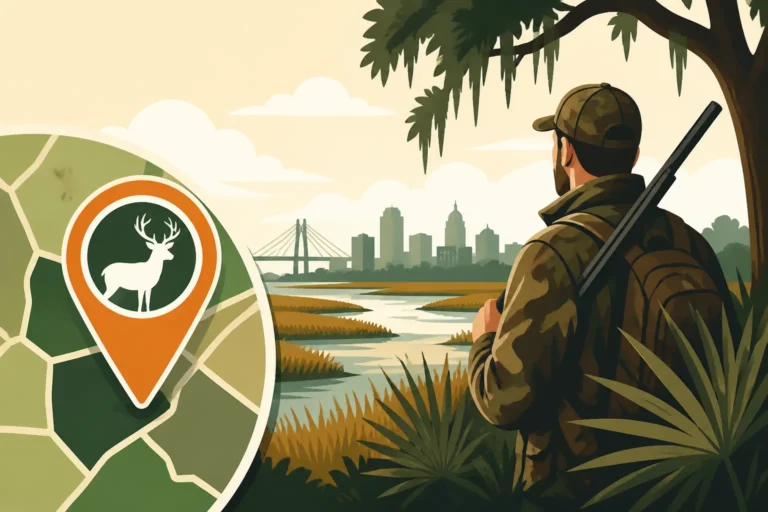
In today's hunting world, technology has become an invaluable tool for preventing accidental trespass. Gone are the days of relying solely on paper maps or crude drawings. GPS-enabled apps have revolutionized how hunters navigate public and private land boundaries. Brands like onX Hunt offer detailed property line overlays directly on your smartphone, showing you exactly where public land ends and private property begins, often even identifying the landowner.
These apps can be a lifesaver, especially when you're in unfamiliar territory or tracking game near mixed-use areas. While they're not a substitute for actively looking for physical signs and always securing permission, they provide an extra layer of confidence. You can mark your position, see adjacent landowners, and plan your routes to avoid potential trespass issues. Just remember, these tools rely on signal and battery, so always have a backup plan or a good understanding of the area's physical markers. Finding Georgia Property Lines can be significantly aided by these modern tools.
When Hunters Can Retrieve Game from Private Property
This is perhaps one of the most stressful and confusing situations for hunters: you've made a good shot, but the animal crosses onto private land before expiring. The urge to recover your game is incredibly strong, both ethically and to avoid wasting meat. However, the law in Georgia is quite clear on this matter, and it often conflicts with a hunter's natural instinct.
The General Rule: Permission Required
The general rule in Georgia is simple: you absolutely need permission from the landowner before entering private property, even if it's solely to retrieve downed game. The fact that you wounded or killed an animal on your side of the fence does not automatically grant you the right to trespass onto someone else's land to recover it. Entering without permission, even for recovery purposes, is still considered criminal trespass.
This can be incredibly frustrating, especially if it's late in the day, the weather is turning, or you're on a tight schedule. However, respecting property rights takes precedence. It's always best to have a plan in place for such contingencies, if possible, by knowing adjacent landowners and having their contact information readily available. A quick, polite phone call can often resolve the situation, whereas simply pushing on can create a much bigger problem. Retrieving Game From Private Land in Georgia is a topic that comes up often, precisely because of this difficult scenario.
What to Do If Game Crosses a Boundary
If you find yourself in this predicament, the very first step is to stop. Do not immediately follow the animal onto private property. Instead, take note of where the animal crossed and your current location. Then, attempt to contact the landowner. If you don't know who owns the land, tools like onX Hunt or even county tax assessor websites can sometimes provide landowner information. If you're unable to contact the landowner directly, or if they deny permission, your next best step is to contact your local Georgia Department of Natural Resources (DNR) law enforcement office or the local sheriff's department.
Law enforcement or game wardens may be able to contact the landowner on your behalf, or in some specific instances, they might be able to grant you permission or even assist in the recovery, though this isn't a guarantee. Never assume that calling the authorities gives you a green light to enter the property without explicit permission from either the landowner or an officer present. Proceeding without permission could turn a difficult situation into a legal issue for you.
The Importance of Written Permission and How to Get It
While a handshake and a verbal agreement might feel sufficient, especially among friends or acquaintances, when it comes to hunting on private land, written permission is always the superior choice in Georgia. It removes ambiguity, protects both the hunter and the landowner, and demonstrates a professional and respectful approach to accessing private property. This isn't just a formality; it's a vital safeguard.
Why Written Permission is Best
Imagine a scenario where a new game warden or a different family member of the landowner encounters you on the property. Without written proof, a verbal agreement can be easily misunderstood, forgotten, or even denied. Written permission eliminates any doubt. It clearly states who is allowed to hunt, on what dates, for what species, and under what conditions. This protects you from accusations of trespassing and protects the landowner by setting clear boundaries and expectations.
Furthermore, a well-drafted written permission document can act as a reference for both parties. It can specify access points, areas that are off-limits (like around a house or livestock), and even details like parking arrangements or whether ATVs are permitted. This level of clarity prevents disputes and fosters a positive relationship between hunters and landowners, which is crucial for continued access to quality hunting ground. Do You Need Written Permission in Georgia? The answer, for peace of mind, is always yes.
Tips for Approaching Landowners for Permission
Approaching a landowner for hunting permission can feel daunting, but a respectful and prepared approach can significantly increase your chances of success. Here are some tips:
- Do Your Homework: Before approaching, know a bit about the property and the landowner if possible. Understand what game species are present and why you're interested in their specific tract.
- Timing is Everything: Don't show up on opening day. Approach landowners well in advance of the season, perhaps in the late summer or early fall, giving them time to consider your request. Avoid meal times or late evenings.
- Be Presentable and Polite: First impressions matter. Dress respectfully, not in your hunting camo. Introduce yourself clearly, state your purpose, and be ready to explain why you're a responsible hunter.
- Offer Something in Return: While not always expected, offering to help with chores, property maintenance, or even sharing some of your harvest can go a long way. Landowners often appreciate assistance with brush clearing, fence mending, or checking on their property.
- Be Prepared with a Written Agreement: Have a simple, clear permission form ready that outlines the terms of your access. This shows you're serious and organized. Tools like GoHunt or other online resources sometimes provide templates for landowner agreements, making it easier to formalize.
- Respect Their Decision: Whether they say yes or no, accept their decision gracefully. A "no" today might turn into a "yes" next year if you leave a positive impression.
Remember, cultivating these relationships is key to Getting Private Land Permission in Georgia. A strong, respectful connection with landowners ensures that private lands remain a viable option for hunting for years to come.
Essential Elements of a Permission Letter
A good written permission letter doesn't need to be a complex legal document, but it should cover a few key points to be effective. Here's what you should aim to include:
| Element | Description | Importance |
|---|---|---|
| Names & Contact Info | Full legal names and contact details for both landowner(s) and hunter(s). | Identifies all parties involved for clear communication and legal recourse. |
| Property Description | Specific address, county, and a brief description of the land (e.g., "100 acres on Elm Road, Parcel ID XXX"). | Clearly defines the exact area of permitted access. |
| Dates of Permission | Start and end dates for when the permission is valid. | Prevents confusion about duration of access. |
| Allowed Activities | Explicitly state what activities are permitted (e.g., deer hunting, scouting, shed hunting). | Limits the scope of access to agreed-upon activities. |
| Specific Conditions | Any special rules like areas to avoid, gate locking, parking, ATV use, blaze orange requirements. | Sets clear expectations and protects sensitive areas or livestock. |
| Game Species | Specify which species can be hunted (e.g., "whitetail deer only"). | Prevents unintended hunting of other species. |
| Signatures & Date | Signatures of all parties involved and the date the agreement was made. | Legally validates the agreement. Keep a copy for both parties. |
Having this document in hand and a copy stored on your phone (perhaps in a hunting app like onX Hunt for easy access, even if cell service is spotty) can be a tremendous asset. It shows you've thought through the details and respect the landowner's concerns, making for a much smoother and more enjoyable hunting experience.
Disclaimer
This article is for general informational purposes only and does not constitute professional advice. Laws, prices and regulations vary by location and change over time. Consult a qualified professional for guidance on your specific situation.