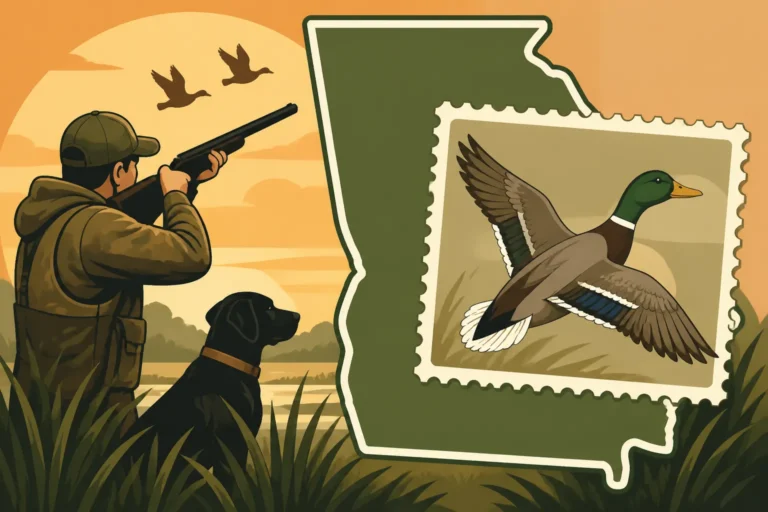
Georgia Migratory Bird Stamp Cost
Navigating the ins and outs of hunting licenses and permits in Georgia can feel like wading through thick swamp water, especially when you start looking into specific game animals. Many hunters get confused when it comes to migratory birds, often wondering if they need a special "stamp" and, if so, how much it's going to hit their wallet. This guide is here to clear up that confusion, explaining exactly what the Georgia migratory bird stamp entails, its cost, and why it's a vital part of ethical and legal hunting in the state.
Demystifying the Georgia Migratory Bird Stamp and HIP Certification
When you hear "Georgia Migratory Bird Stamp," it’s easy to picture a physical stamp like the Federal Duck Stamp, but in Georgia, it primarily refers to something called the Harvest Information Program, or HIP, certification. It's less about a physical sticker and more about a declaration and data collection that helps wildlife agencies manage migratory bird populations effectively.
What Exactly is the "Stamp"?
For hunters in Georgia, the "migratory bird stamp" is essentially your participation in the federal Harvest Information Program (HIP). This program is a crucial part of migratory bird management across the United States. When you purchase this certification, you're essentially telling the Georgia Department of Natural Resources (DNR) and the U.S. Fish and Wildlife Service that you plan to hunt migratory birds. This includes popular species like doves, ducks, geese, woodcock, snipe, rails, and gallinules. Even if you're just planning on a fun day of Dove Hunting Georgia Opening Weekend, this certification is a must-have.
The main purpose of HIP is data collection. When you certify, you'll be asked a few simple questions about your previous year's hunting success for various migratory species. This anonymous data helps wildlife biologists estimate harvest numbers and monitor population trends, which directly informs hunting regulations and conservation efforts for all migratory birds that pass through the state and beyond. It’s a small step that yields huge benefits for the future of these game birds. Without accurate harvest data, managing these populations responsibly would be a shot in the dark, impacting seasons and bag limits for everyone.
It's a common misconception that if you don't hunt ducks or geese, you don't need HIP. But remember, the certification covers all migratory game birds. So, whether you're targeting mourning doves in a cut cornfield or trying your hand at Pass-Shooting Georgia Wood Ducks in a beaver pond, you absolutely need to be HIP certified. This simple step ensures you're a responsible participant in the broad network of migratory bird conservation.
The Cost for Residents and Non-Residents
Here’s where it gets really simple, and hopefully, takes a load off your mind: for most hunters, the Georgia Migratory Bird (HIP) certification comes with a minimal or even no additional cost if purchased with other licenses. The Georgia DNR aims to make compliance as easy as possible.
For Georgia residents, if you purchase a comprehensive license like the Resident Sportsman's License Bundle, your Georgia Migratory Bird (HIP) certification is often included at no extra charge. This bundle is designed to be a one-stop shop for most of your hunting and fishing needs, making it incredibly convenient. If you're opting for individual licenses, the standalone cost for the Georgia Migratory Bird (HIP) license is typically very low, often just a few dollars. It's a small administrative fee to help cover the costs of running the program and collecting that vital data. You can always check the most current fees directly on the Go Outdoors Georgia website.
Non-residents face similar, very low costs. While their base Georgia Nonresident Hunting License Options might be higher than residents', the migratory bird certification itself follows a similar pricing structure – either included in a non-resident sportsman's package or available for a nominal fee. The principle is the same: the certification's primary purpose is data, not revenue generation through high fees. Regardless of your residency, the process to get your Georgia Migratory Bird Certification is straightforward and can usually be completed when you purchase your other hunting licenses online, through a license vendor, or via the Go Outdoors Georgia mobile app. This ease of access ensures that hunters can quickly and painlessly get compliant before heading out into the field.
The Federal Duck Stamp: A Separate But Necessary Requirement
While we've clarified the Georgia Migratory Bird (HIP) certification, there's another "stamp" that frequently causes confusion, especially for waterfowl hunters: the Federal Migratory Bird Hunting and Conservation Stamp, more commonly known as the Federal Duck Stamp. This is a separate, distinct requirement from the Georgia state certification, and it comes with its own cost and specific purpose.
Understanding the Federal Requirement
The Federal Duck Stamp is a unique piece of American conservation history. It's a mandatory purchase for all waterfowl hunters aged 16 and older. This means if you're heading out to hunt ducks, geese, or brant, you need this stamp affixed to your state hunting license and signed across its face. It's not just a fancy permit; it's a direct investment in the very habitat that supports these birds. Without the Federal Duck Stamp, even if you have all your Georgia state licenses and HIP certification, you are not legally permitted to hunt waterfowl. This is a federal law, enforced by the U.S. Fish and Wildlife Service, and it applies to every state.
The revenue generated from the sale of Federal Duck Stamps is truly remarkable. Ninety-eight cents of every dollar spent on a Federal Duck Stamp goes directly to the Migratory Bird Conservation Fund, which is used to acquire or lease wetland habitats for the National Wildlife Refuge System. These wetlands are not just for ducks and geese; they provide critical habitat for hundreds of species of birds, mammals, fish, and plants, and offer public access for hunting, fishing, birdwatching, and photography. It’s a shining example of hunters directly funding the conservation of the resources they enjoy. This long-standing program has conserved millions of acres of vital wetland habitat across the country, making it one of the most successful conservation programs in history.
So, while the Georgia HIP certification helps with data collection and state-level management, the Federal Duck Stamp is about broad, national habitat acquisition and protection. Both are vital, but they serve different, complementary roles in ensuring the future of migratory bird hunting. Understanding this distinction is key to being fully compliant and contributing appropriately to conservation efforts.
Federal Duck Stamp Costs and Where to Buy
The Federal Duck Stamp has a set price that typically changes every few years. As of recent times, the cost for a Federal Duck Stamp is around $25. This price is consistent across the nation, regardless of what state you're hunting in or whether you're a resident or non-resident. This makes planning a little easier, as you don't have to worry about varying prices.
Purchasing a Federal Duck Stamp is also fairly straightforward. Many hunters buy them at their local post office, which has been a traditional point of sale for decades. You can also purchase them online through the U.S. Fish and Wildlife Service’s website, which offers a convenient electronic stamp that is valid for 45 days while your physical stamp is mailed to you. Additionally, many sporting goods stores and outdoor retailers, including some partners of GoHunt's network, will sell Federal Duck Stamps. When you're making your preparations for a waterfowl hunt, like planning for Hunting Coastal Georgia Marsh Waterfowl, remember to add the Federal Duck Stamp to your list of essentials alongside your other gear.
It's important to remember that the Federal Duck Stamp is a physical item, even if you initially purchase an e-stamp. You are required to possess the physical stamp, signed across its face, within 45 days of an e-stamp purchase. This is different from the Georgia HIP certification, which is purely an electronic record tied to your license profile. Keep your Federal Duck Stamp safe and dry, as it's not just a license; for many, it's a cherished annual tradition and a tangible symbol of their contribution to waterfowl conservation.
Why You Need Both: Compliance and Conservation
Hunting migratory birds in Georgia isn't just about bagging your limit; it's about being a responsible, legal, and ethical participant in a deeply rooted conservation tradition. Ignoring either the state's HIP certification or the federal duck stamp isn't just cutting corners; it's breaking the law and undermining efforts to protect the very resource you enjoy.
Meeting State and Federal Regulations
The simple truth is that you need both the Georgia Migratory Bird (HIP) certification and, if hunting waterfowl, the Federal Duck Stamp, to be fully compliant with both state and federal laws. Think of it like a layered system of permissions designed to ensure proper management. The state HIP certification, as we discussed, is crucial for collecting harvest data on all migratory game birds, including Georgia Dove and Quail Season Rules related hunting. This information helps the Georgia DNR manage local populations and contribute to national datasets. For instance, without accurate HIP data, assessing the effectiveness of rule changes like the recent ones impacting turkey populations (though turkeys aren't HIP certified, it illustrates the point of data-driven management) would be impossible.
The Georgia Federal Duck Stamp Requirement is the federal layer of this system. It specifically targets waterfowl hunters and dedicates funds to critical wetland habitat acquisition. Without it, you’re not only breaking federal law but also failing to contribute to the foundational habitat preservation efforts that make waterfowl hunting possible across the continent. Enforcement officers, whether state game wardens or federal wildlife officers, routinely check for both. Getting caught without the proper licenses or stamps can result in fines, confiscation of game, and even loss of hunting privileges, which nobody wants after spending time and money getting ready for the season. It’s always best to be squared away on all your paperwork before you even step foot in the marsh or the dove field.
Your Contribution to Conservation
Beyond the legal requirements, purchasing both the Georgia Migratory Bird (HIP) certification and the Federal Duck Stamp is your direct and tangible contribution to conservation. As hunters, we are often the first and most dedicated conservationists, and these stamps are prime examples of our commitment. The modest fee for the Georgia HIP certification aids in collecting the vital data that ensures sustainable hunting seasons year after year. This data helps wildlife agencies understand population trends, set appropriate bag limits, and allocate resources for habitat projects that benefit all migratory species. It's an investment in sound scientific management.
The Federal Duck Stamp, with its significant portion dedicated to wetland acquisition, has protected millions of acres of vital habitat. These lands are nurseries for countless waterfowl, stopover points for migrating birds, and homes for a vast array of other wildlife. When you buy a duck stamp, you are literally putting money back into the ground to ensure these ecosystems thrive. It's a direct and powerful way to ensure that future generations will have the same opportunities to experience the thrill of Georgia Waterfowl Hunting on Coast and Swamp or a crisp morning in a dove field. This legacy of conservation, funded by hunters, is something to be incredibly proud of.
The Easy Way to Stay Legal
Thankfully, obtaining these necessary certifications and stamps is quite simple in the modern age. Georgia's Go Outdoors Georgia licensing system, which can also be accessed through platforms like GoHunt, streamlines the process. When you go online to purchase your general Georgia Resident Hunting License Options or renew your existing license, you’ll typically be prompted to add the Georgia Migratory Bird (HIP) certification if you indicate you plan to hunt migratory birds. It's usually a checkbox with a small fee, or even included, making it almost impossible to miss.
For the Federal Duck Stamp, while it’s a federal product, it’s often conveniently available at the same time and place you're buying your state licenses, whether that's online, at a retail location, or a post office. Many states, including Georgia, have systems in place where an electronic Federal Duck Stamp is issued immediately, allowing you to hunt while the physical stamp is mailed to you. Just make sure you understand the rules for carrying the temporary electronic proof. By taking a few minutes to ensure you have both of these crucial pieces of paper (or digital certifications), you’re not only staying on the right side of the law but also actively participating in the vital conservation work that sustains migratory bird populations for everyone. It’s an investment in your passion and the future of hunting.
Georgia Migratory Bird Hunting Requirements at a Glance
To make it super clear, here's a quick comparison of the two main requirements for migratory bird hunting in Georgia:
| Requirement | What It Is | Cost (Approx.) | What It Covers | Where to Purchase | Key Purpose |
|---|---|---|---|---|---|
| Georgia Migratory Bird (HIP) Certification | State-level Harvest Information Program certification, primarily an electronic record. | $0 – $5 (often included with other licenses) | All migratory game birds: doves, ducks, geese, woodcock, snipe, rails, gallinules. | Go Outdoors Georgia website, authorized license vendors, Go Outdoors Georgia app. | Collects harvest data for state and federal management. |
| Federal Migratory Bird Hunting & Conservation Stamp (Duck Stamp) | Federal physical stamp (with an e-stamp option) required for waterfowl hunters aged 16+. | $25 | Specifically ducks, geese, and brant. | USPS, USFWS website, authorized sporting goods retailers (e.g., GoHunt partners). | Funds wetland habitat acquisition for conservation. |
This table should help clarify that while both are essential for certain types of hunting, they serve different, but equally important, roles in the conservation and management of migratory bird populations in Georgia and across the country.
Disclaimer
Please remember that hunting regulations, license requirements, and costs can change. Always consult the official Georgia Department of Natural Resources (DNR) website and current hunting regulations guide for the most up-to-date and accurate information before heading afield.