Georgia Apprentice Hunter License Rules
It can feel overwhelming when you're itching to get out into Georgia's incredible outdoors, whether you're a seasoned hunter bringing someone new along or you're just starting your own journey, but haven't had the chance to take a hunter education course yet. The good news is, Georgia understands this, and they've got a fantastic program that bridges that gap: the Apprentice Hunter License. This guide is all about helping you understand exactly how it works, who it's for, and how you can use it to safely and legally get into the field.
Understanding Georgia's Apprentice Hunter License Program
Navigating the world of hunting licenses and regulations can sometimes feel like trying to track a mature buck through a dense Georgia swamp – confusing and full of twists. But when it comes to bringing new blood into the sport, Georgia has made a really smart and accessible pathway through its Apprentice Hunter License program. It’s designed specifically to remove one of the biggest initial hurdles: the mandatory hunter education course.
What is the Apprentice License?
At its heart, the Georgia Apprentice Hunter License is a temporary permit that allows an individual to hunt legally in Georgia without first completing a certified hunter education course. Think of it as a learner's permit for hunting. Its main purpose is to let new hunters, or those who haven't yet fulfilled the education requirement, gain valuable, hands-on experience in the field. This isn't just about reading a book; it's about seeing, doing, and learning from an experienced mentor right where the action happens.
This program acknowledges that sometimes the best way to learn is by doing, especially in an environment as dynamic as hunting. It allows aspiring hunters to accompany and directly observe a licensed, experienced hunter, giving them practical insights into safety protocols, ethical hunting practices, wildlife identification, and even the nuances of reading the land. It's a fantastic initiative to ensure the future of hunting in our state by making it easier for folks to get started, rather than facing a brick wall of requirements before they ever step foot in the woods. It removes the "chicken or the egg" dilemma where you need experience to hunt, but you can't get experience without a license.
Who Qualifies for an Apprentice License?
The beauty of the Apprentice Hunter License lies in its broad applicability. It's not just for kids; it's available to individuals of all ages, resident or non-resident, who have not yet completed the state's mandatory hunter education requirements. If you're 16 years old or older, and you haven't taken the course, this is your ticket. If you're a parent looking to introduce your younger child to hunting, this also works perfectly. The core requirement is simply that you haven't received your formal hunter education certification yet.
However, it's crucial to remember that this license is a stepping stone, not a permanent bypass. It's meant to provide a window for new hunters to experience the sport under strict supervision, thereby encouraging them to eventually complete their hunter education. While there are no hard age limits on who can hold an apprentice license, the key is always the presence and direct supervision of a qualified mentor. You can read more about specific requirements in our guide on Georgia Hunter Education Requirements.
Mentor Requirements and Responsibilities
This is where the rubber meets the road for the Apprentice Hunter License. The entire program hinges on the presence of a responsible, experienced mentor. Without that mentor, the apprentice license is essentially invalid for active hunting. A qualified mentor must meet specific criteria themselves: they must be at least 18 years old and hold a valid, current Georgia hunting license. More importantly, they must have completed a hunter education course or be exempt from it (for example, if they were born before January 1, 1961).
The mentor's responsibilities are paramount. They must be within "normal voice control" of the apprentice, meaning they are close enough to communicate instructions, give warnings, and generally oversee the apprentice's every move. This isn't just about being in the same general area; it's about active, direct supervision. The mentor is legally responsible for the apprentice’s actions while hunting, which underscores the seriousness of the role. They are tasked with ensuring the apprentice understands and adheres to all hunting laws, safety protocols, and ethical considerations. This close proximity ensures that immediate guidance and intervention can be provided, making for a safer, more educational, and more responsible hunting experience. For a deeper dive into the specific rules for mentors, check out our piece on How Close a Georgia Mentor Must Stay.
How to Obtain and Use Your Georgia Apprentice Hunter License
Getting your hands on a Georgia Apprentice Hunter License is thankfully a straightforward process, designed to be as accessible as possible. The aim is to make it easy for new hunters to step into the field, and the process reflects that. While the license itself is easy to get, understanding its use and limitations is key to a successful and legal hunting trip.
Purchasing the License
Acquiring your Apprentice Hunter License is just like purchasing any other Georgia hunting license. The most common and convenient way is online through the Georgia Department of Natural Resources (DNR) Go Outdoors Georgia website. You can also visit a licensed retail agent, such as a sporting goods store, or call the DNR licensing phone number. The cost is typically very reasonable, often comparable to a standard annual hunting license for residents. Non-residents can also purchase an apprentice license, though the cost will be higher, reflecting non-resident fees.
When you're looking to purchase, you'll need some basic identification information. If you're using a planning app or service like GoHunt, you might find links directly to the Georgia DNR licensing portal, making it even easier to navigate after you've mapped out your potential hunting areas. Remember, this license is a temporary measure, so while you can hunt with it, the expectation is that you will eventually complete your full hunter education course to gain a permanent license. For a comprehensive look at your options, including costs, you can explore our article on Georgia Resident Hunting License Options and Buying a License on Go Outdoors Georgia.
Where and When Can You Hunt with It?
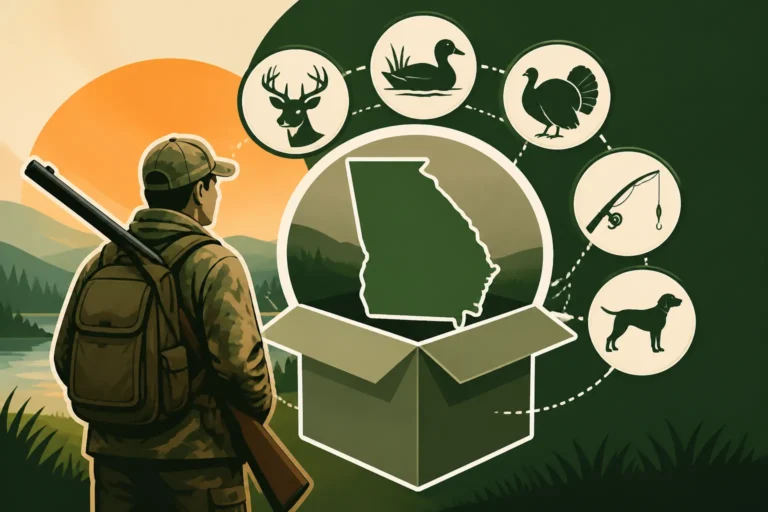
The great thing about the Apprentice Hunter License is that it allows you to participate in most legal hunting seasons and pursue any game species that the license covers, as long as it's under the direct supervision of your qualified mentor. This means if you want to try your hand at deer hunting during the regular firearms season or even during archery season, you can, provided your mentor is with you and you both comply with all other applicable regulations. The license covers general hunting privileges for deer, turkey, small game, and even migratory birds if you also obtain the necessary federal and state migratory bird stamps and certifications (like HIP certification).
However, the "where and when" always comes with the caveat of supervision. You cannot hunt alone with an apprentice license. Your mentor must be present and actively supervising. This applies whether you're on private land, a Georgia Wildlife Management Area (WMA), or other public hunting grounds. It's essential to check specific WMA regulations or private land rules regarding the presence of non-hunters or apprentice hunters, although generally, if you're legally licensed and supervised, you're good to go. The program is designed to get you into the full hunting experience, not just limited scenarios, but always with that critical safety net of an experienced hunter by your side.
Limitations and Next Steps
While the Apprentice Hunter License is an incredible tool for getting started, it does come with certain limitations, primarily its temporary nature. It's not intended to be a long-term solution. The main limitation is that you absolutely cannot hunt unsupervised. This is a crucial safety and legal point. If you are caught hunting alone with an apprentice license, it's the same as hunting without a license, and the penalties can be significant.
The implicit next step for anyone using an apprentice license is to complete a Georgia Hunter Education course. This course covers vital topics like firearm safety, hunting ethics, wildlife conservation, and game identification, providing a comprehensive foundation that hands-on experience alone might not fully deliver. After successfully completing hunter education, you can then purchase a regular hunting license without the need for a mentor. Many new hunters use the apprentice license to get a taste of the outdoors, solidify their interest, and then immediately sign up for a hunter education course. It’s a perfect bridge for those who want to commit to hunting but need that initial experience. Consider it your trial period before fully investing in your hunting journey. You can learn more about specific rules for young hunters in our guide on Georgia Youth Deer Hunt Rules.
Why the Apprentice License Matters for Hunter Recruitment
The Georgia Apprentice Hunter License isn't just another piece of paper; it's a vital component in the broader effort to sustain Georgia's rich hunting heritage. In an era where fewer people are participating in traditional outdoor sports, programs like this are more critical than ever, serving as a powerful tool for hunter recruitment, retention, and reactivating interest in the field.
Bridging the Gap to Full Hunter Education
One of the most significant barriers for potential new hunters is the time commitment and perceived complexity of the mandatory hunter education course. While essential for safety and ethics, requiring it upfront can deter individuals who are unsure if hunting is right for them or who simply have busy schedules. The Apprentice Hunter License cleverly addresses this by offering a "try before you buy" approach. It allows individuals to experience the thrill and responsibility of hunting firsthand, under the watchful eye of an experienced mentor, before dedicating the time to a formal course.
This immediate, experiential learning can be far more impactful than theoretical instruction alone. It creates context for what is taught in hunter education, making the formal course more meaningful when the time comes. Imagine learning about proper shot placement after seeing a deer in the field, or understanding firearm handling after walking through thick cover with a loaded gun. The apprentice license transforms abstract concepts into tangible lessons, demonstrating the real-world application of responsible hunting practices. It’s an invaluable tool for ensuring new participants aren’t turned away by initial requirements but are instead welcomed into the fold.
Fostering Mentorship and Family Traditions
Hunting has always been a tradition passed down through generations, but modern life sometimes makes it harder for that natural mentorship to occur. The Apprentice Hunter License program actively encourages and formalizes this crucial passing of knowledge. It doesn't just allow a new hunter to participate; it requires a mentor, inherently strengthening the bond between an experienced hunter and a novice. This ensures that new hunters aren't just learning the mechanics, but also the ethics, conservation values, and deep respect for wildlife that define responsible hunting.
This focus on mentorship is about more than just legal compliance; it's about preserving the very essence of hunting culture in Georgia. It means grandfathers can take grandchildren, seasoned friends can guide newcomers, and parents can introduce their children to the outdoors in a structured, safe way. These shared experiences create lasting memories and cultivate a deep appreciation for nature. It's in these moments, tracking a deer through the Georgia woods or waiting patiently in a duck blind, that the true lessons of hunting — patience, observation, respect — are absorbed, far beyond what any textbook can teach. The program helps solidify these traditions, ensuring they continue for years to come.
Promoting Safety and Ethical Hunting
At the core of any hunting regulation is safety, and the Apprentice Hunter License program is a testament to Georgia's commitment to it. By mandating direct, active supervision by an experienced, licensed, and hunter-education-certified individual, the program significantly reduces the risk of accidents. New hunters, often eager but inexperienced, can make mistakes. Having a mentor constantly present to guide, correct, and intervene is an unparalleled safety measure.
Furthermore, it ensures that ethical hunting practices are instilled from day one. Mentors teach everything from proper game identification to understanding fair chase principles, minimizing suffering, and respecting private land. These are lessons that go beyond the legal minimums; they are about responsible stewardship of our wildlife resources. The apprentice program ensures that new hunters are not only learning how to hunt but are also learning how to hunt responsibly and ethically, contributing positively to Georgia's conservation efforts. This early immersion in ethical behavior is vital for shaping future generations of thoughtful and conservation-minded hunters. When planning your first supervised hunt, remember to scout areas thoroughly, as detailed in Scouting Georgia Public Land Before Season, to ensure both safety and success.
Common Questions and Scenarios
Even with a clear understanding of the Apprentice Hunter License, specific situations and lingering questions can pop up. Let’s tackle some of the most common ones to ensure you’re fully prepared and confident when heading afield in Georgia.
Apprentice License for Youth Hunters
Many parents in Georgia are keen to introduce their children to hunting, and the Apprentice Hunter License is an excellent pathway for this. The program itself doesn't have a minimum age for the apprentice, but practically speaking, the child must be old enough to safely handle a firearm or archery equipment and understand instructions. The critical factor, as always, is the direct supervision by a qualified mentor (who is often a parent or close family member).
For younger hunters, the apprentice license provides a fantastic low-pressure environment to learn. They can go out, observe, participate in the hunt without the pressure of having taken a course, and decide if it's something they truly enjoy before committing to the hunter education class. It's often recommended to start youth hunters with small game or dove hunting, which offers more action and less sitting, before moving on to deer. This gradual introduction helps build skills and confidence. Just remember, even with an apprentice license, all other age-related restrictions for specific hunts or weapons still apply, and the mentor is fully responsible for their safety and legal compliance.
Renewing or Upgrading Your License
The Georgia Apprentice Hunter License is typically an annual license, meaning it’s valid from the date of purchase until the end of the current license year (usually around August 31st). If you haven't completed your hunter education course by the time your apprentice license expires, you can generally purchase another one for the next license year. There isn't a hard limit on how many times you can renew an apprentice license, but the strong encouragement from the DNR is to complete hunter education.
The true "upgrade" happens when you successfully complete your Georgia Hunter Education course. Once you have that certification in hand, you are then eligible to purchase a standard Georgia hunting license, which allows you to hunt independently without a mentor. At that point, you’ve moved beyond the "apprentice" phase and become a fully certified hunter in Georgia. It's a significant milestone and opens up new possibilities for your hunting adventures. Keep track of the Georgia License Year Start Date to ensure you're always operating with a current license.
Can Non-Residents Use an Apprentice License?
Yes, absolutely! The Georgia Apprentice Hunter License is available to both residents and non-residents. This is a fantastic feature, especially for families or friends who live out of state but want to experience Georgia's diverse hunting opportunities. A non-resident can purchase an apprentice license and hunt under the direct supervision of a qualified Georgia resident mentor or another non-resident mentor who meets Georgia’s mentor requirements.
The process for purchasing a non-resident apprentice license is the same as for residents, though the cost will be higher, aligning with typical non-resident license fees. This allows visitors to enjoy Georgia's hunting seasons, perhaps on a friend's private land or an accessible WMA, without having to take a hunter education course in their home state or Georgia beforehand. It's a great way to introduce out-of-state guests to hunting in the Peach State, fostering connections and sharing our natural resources responsibly. If you're a non-resident, be sure to look into options like the Georgia Three-Day Nonresident License Option if you're only planning a short trip.
Disclaimer
Please note that while this guide provides comprehensive information, hunting regulations can change. It is always the hunter's responsibility to consult the most current Georgia Department of Natural Resources (DNR) regulations and local ordinances before engaging in any hunting activities. This content is for informational purposes only and should not be considered legal advice.