Camden County Coastal Public Access
Finding reliable public hunting access along Georgia's beautiful but often impenetrable coast can feel like searching for a needle in a haystack, especially when you're dreaming of those marsh hens or late-season ducks. The frustration is real: dense coastal hammocks, expansive salt marshes, and intricate waterways make identifying and getting to huntable public ground a unique challenge. This guide is dedicated to shedding light on the opportunities available for public hunting access in Camden County, helping you navigate the regulations, understand the terrain, and ultimately increase your chances of a successful outing.
Understanding Coastal Public Land Dynamics in Georgia
Coastal Georgia is a world unto itself when it comes to hunting. It's a landscape sculpted by tides, rivers, and the immense power of the Atlantic, creating ecosystems that are vastly different from the pine forests of the Piedmont or the hardwoods of the mountains. This unique environment offers incredible hunting opportunities for everything from migratory waterfowl to whitetail deer, but it also presents a distinct set of challenges for public land hunters.
The Allure and Challenge of Coastal Hunting
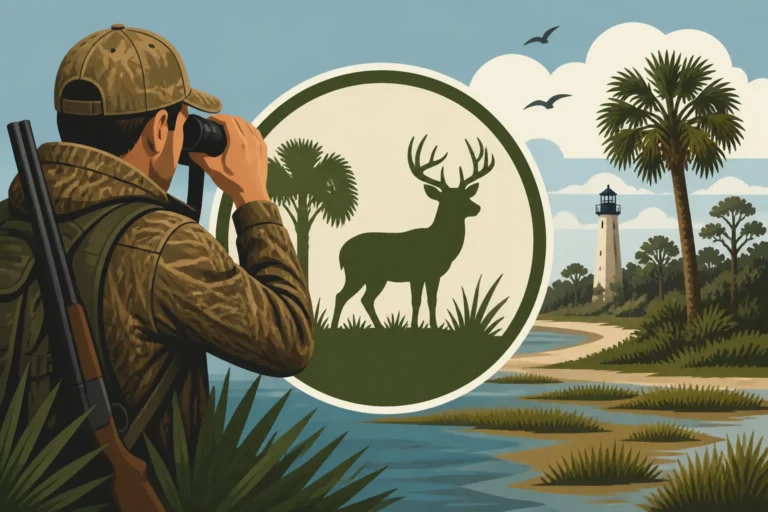
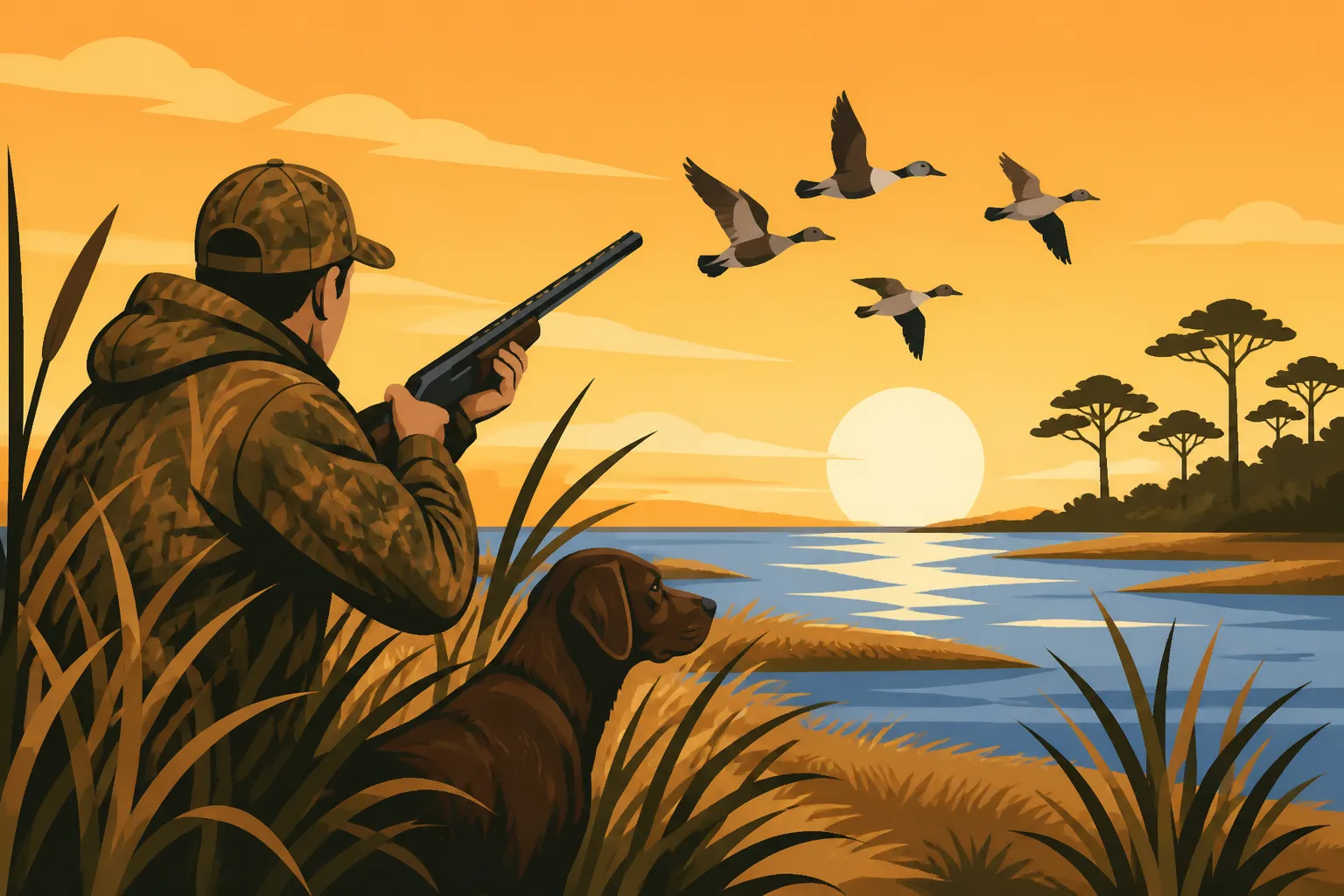
There’s an undeniable draw to hunting the coast. Imagine the sunrise painting the marsh in hues of gold and purple as ducks whistle overhead, or the quiet rustle of deer moving through palmetto thickets near a tidal creek. It's an experience that connects you deeply with the raw, untamed nature of Georgia. However, this beauty comes with inherent difficulties. Access can be extremely limited, often requiring boats or extensive knowledge of tidal patterns. The terrain itself, with its soft mud, dense vegetation, and ever-present water, demands specialized gear and a different approach to scouting and hunting. You're not just dealing with land boundaries; you're dealing with constantly shifting water boundaries, too. Understanding these dynamics is the first step toward a successful hunt.
Beyond the physical challenges, the sheer volume of private land along the coast can be daunting. Many of the prime hunting grounds are held by large timber companies, hunting clubs, or private landowners, making public access feel scarce. This makes identifying and utilizing the available public parcels in counties like Camden even more critical. It’s not just about finding any public land, but finding accessible public land that offers a genuine hunting experience. Patience and persistence become your most valuable assets when you’re scouting these areas.
Navigating Unique Habitats
Camden County's coastal areas are characterized by a mosaic of habitats, each presenting different hunting prospects and navigation challenges. You'll encounter vast salt marshes, tidal creeks, hammocks (small islands of higher ground in the marsh), cypress swamps, and maritime forests. Deer often use the edges of these varied zones, moving between the cover of maritime forests and the food sources found in the transitional areas. Waterfowl, of course, are found directly in the marshes and tidal creeks. Georgia Waterfowl Hunting on Coast and Swamp is a great resource to delve deeper into these opportunities.
Navigating these habitats requires a different skill set than hunting inland. For instance, in salt marsh areas, understanding the tides is paramount. What might be dry ground in the morning could be submerged by afternoon, making travel difficult or even dangerous. You'll often need a boat – whether it's a small jon boat, a kayak, or even a paddleboard – to reach many of the more secluded spots. When it comes to deer, they'll often hold tight in the hammocks during the day, emerging to feed along the marsh edges during low light. Knowing how to read the mud for fresh tracks and understanding deer movement patterns in these unique environments will give you a significant advantage. This intricate dance between land and water defines the coastal hunting experience.
Specific Public Access Points in Camden County
Camden County, while primarily known for its military installations and historic sites, does offer some valuable public hunting opportunities, primarily through Wildlife Management Areas (WMAs) and certain federal lands. These areas are managed to provide habitat for various game species and recreation for hunters, but they often come with specific regulations and access protocols you'll need to understand.
Focusing on Major WMA and State/Federal Lands
When we talk about public hunting in Camden County, the primary focus often turns to the state-managed WMAs and any accessible federal properties. These areas are specifically designated for public use, but they can be sprawling and complex. For instance, you might find portions of a larger WMA that extend into Camden, or smaller, dedicated parcels. These are not always easy to locate on a generic map, and it pays to do your homework. Tools like onX Hunt become indispensable here, allowing you to clearly see property boundaries, identify access points, and scout terrain from your phone or computer before you even set foot in the field. This can save countless hours of driving and frustration.
It's important to remember that access might also vary by season and by specific hunt type. Some areas might only be open for certain big game seasons, while others are available for small game or waterfowl. Hunting Coastal Georgia and the Golden Isles provides a broader context for the region, but always double-check the specifics for Camden County. The Georgia DNR website is your absolute best friend for current regulations, hunt dates, and any special permits required. Don't assume that just because a piece of land is public, it's open for all hunting at all times.
Understanding Permitting and Regulations
Hunting in any WMA or public land in Georgia requires adherence to specific rules, and coastal areas often have additional layers of complexity. Beyond your basic Georgia hunting license and big game stamp, you'll almost certainly need a WMA Access Permit. These can be purchased online through the Georgia Wildlife Resources Division's Go Outdoors Georgia portal. It's crucial to have this permit in hand, or readily accessible on your phone, as wildlife officers frequently patrol these areas.
| Permit Type | Required For | Where to Purchase | Key Information |
|---|---|---|---|
| Georgia Hunting License | All hunting activities | Go Outdoors Georgia, Retailers | Annual or Lifetime options available. |
| Big Game License | Hunting deer, bear, turkey | Go Outdoors Georgia, Retailers | Required in addition to a general hunting license. |
| WMA Access Permit | Hunting on Georgia Wildlife Management Areas | Go Outdoors Georgia | Required for anyone 16 or older to enter a WMA. |
| Migratory Bird Stamp/HIP | Hunting migratory birds (ducks, doves, geese) | Go Outdoors Georgia | Federal Duck Stamp also required for waterfowl. |
| Alligator Quota Permit | Hunting alligators (if drawn) | Go Outdoors Georgia | Application process; specific zones and dates. |
Always check for quota hunts or special regulations. For instance, alligator hunting is typically done via a quota hunt system, and if you're lucky enough to draw a tag for a coastal zone that includes Camden County, the rules will be very specific about methods and legal sizes. Georgia Alligator Quota Hunt Rules outlines these requirements. Be aware of any restrictions on vehicle use, camping, or the use of ATVs, as these are common on public lands to protect sensitive ecosystems and prevent overcrowding. Your due diligence before leaving home can save you a frustrating trip or even a citation.
Maximizing Your Hunt on Camden County Public Access
Hunting coastal public lands in Camden County isn't just about showing up with a gun or bow; it's about strategic planning, adaptation to the environment, and a deep respect for the unique challenges these areas present. Success often hinges on what you do before the season, and how prepared you are for the unexpected.
Scouting and Preparation for Coastal Zones
Scouting is paramount, and it looks a little different on the coast. Aerial maps and satellite imagery are your best friends for identifying hammocks, marsh fringes, and potential travel corridors. Look for fingers of higher ground extending into the marsh, areas where two different habitat types meet, or subtle changes in elevation that might concentrate deer movement. Using tools like onX Hunt can overlay property lines with topographical features, water bodies, and even timber cuts, giving you an invaluable bird's-eye view. This is crucial for pinpointing potential spots where game might feed, bed, or travel between cover.
Once you have some potential spots identified on a map, the next step is boots-on-the-ground scouting. Be prepared for mud, water, and dense vegetation. If you plan to hunt from a boat, scout by boat to understand tidal flows and access points. Pay close attention to current conditions: recent rainfall, wind direction, and tidal charts can all influence game movement. For deer, look for rubs and scrapes on the edges of maritime forests, or tracks in the soft mud along creek banks. For waterfowl, identify roosting and feeding areas, often by observing bird movement at dawn and dusk, or by looking for concentrations of droppings and disturbed vegetation. Remember, early season scouting, well before the hunting pressure starts, will give you the freshest intelligence.
Essential Gear and Safety Considerations
The coastal environment dictates much of the gear you'll need. Forget your typical upland boots; you'll likely need waterproof snake boots or chest waders, even if you're not planning to go deep into the marsh. The ground can be soft, wet, and often home to venomous snakes. Layers of lightweight, breathable clothing are essential, as coastal Georgia can be surprisingly warm, even in the fall and winter, but temperatures can drop quickly after dark. Bug repellent that actually works is non-negotiable, especially during early archery season.
For safety, a reliable GPS or a mapping app like onX Hunt on your phone is critical. It's incredibly easy to get turned around in expansive marshes or dense hammocks, especially as daylight fades. Always tell someone where you're going and when you expect to return. If hunting from a boat, ensure all safety equipment is aboard, including life jackets, navigation lights, and a reliable motor. Know your tides and currents intimately. A rising tide can quickly cut off your egress, and strong currents can make paddling difficult. Snake Boots for Georgia Swamp Ground is a topic you might find very useful for staying safe.
Utilizing Technology for Public Land Navigation
In today's hunting world, technology isn't just a convenience; it's an essential tool, especially when tackling the complex landscapes of coastal Georgia public lands. From digital maps to online resources, leveraging these tools can be the difference between a frustrating search and a successful hunt.
Digital Mapping Tools for Coastal Terrain
The days of relying solely on paper topo maps are largely behind us, though a physical map and compass are always smart backups. Digital mapping applications, like onX Hunt, have revolutionized how hunters scout and navigate public land. These apps offer incredibly detailed satellite imagery, property boundaries (often color-coded for public vs. private), topographic lines, and even features like historical weather data and sun/moon phases. For coastal hunting, the ability to see the intricate network of creeks, hammocks, and marsh grass from an aerial perspective is invaluable. You can drop waypoints on potential stand sites, food sources, or access points, and then navigate directly to them in the field.
These apps also allow you to download maps for offline use, which is a lifesaver in areas with spotty cell service – a common occurrence in remote coastal regions. You can plan your entire hunt from your couch, marking potential entry and exit routes, identifying high ground, and even estimating walking distances. This level of detail and planning capability drastically reduces wasted time and energy in the field, allowing you to focus on the actual hunt rather than getting lost.
Staying Informed with Online Resources
Beyond mapping tools, the internet is brimming with resources to help you prepare for a Camden County coastal hunt. The Georgia Department of Natural Resources (DNR) website is your official source for all regulations, season dates, WMA maps, and news updates. It's where you'll find information on permits, bag limits, and any special restrictions for specific areas. The Go Outdoors Georgia platform is essential for purchasing licenses and WMA permits.
Additionally, online forums, hunting groups, and publications from organizations like GoHunt can offer community insights and shared experiences. While you should always verify information from unofficial sources with the DNR, hearing about other hunters' successes and challenges in similar coastal environments can provide valuable context and tips. For example, understanding Georgia Waterfowl Migration Timing or Georgia Coastal Marsh Teal Numbers can inform when and where you should focus your efforts. Staying connected and informed helps you adapt to changing conditions and capitalize on emerging opportunities, making you a more effective and ethical hunter.
Disclaimer
This article is for general informational purposes only and does not constitute professional advice. Laws, prices and regulations vary by location and change over time. Consult a qualified professional for guidance on your specific situation.